

I. Introduction
1. Building a New Life, One Microbe at a Time - Why this Handbook is Essential
For centuries, microorganisms were viewed through a lens of fear and hostility. From Leeuwenhoek’s first glimpses of “animalcules” to Pasteur’s germ theory, our relationship with microbes has oscillated between fascination and warfare. The 20th century, with its obsession for sterility, antibiotics and disinfectants, nearly erased the understanding that microbes are not merely enemies but essential allies in human health.
Today, a more measured scientific view recognises the human body as an ecosystem in which microbes contribute to digestion, immunity and metabolism; this handbook applies that view in practical, clinical contexts [6].
Science redefines this relationship. We now recognize that the human body is a superorganism, an intricate ecosystem of human cells and trillions of microorganisms -bacteria, viruses, fungi, and archaea – that co-regulate our digestion, immunity, metabolism, even our mood and behavior. This community is called the microbiota, while the genetic library they carry is known as the microbiome.
At MicroBiome Bank, our mission is to help restore this fragile balance, particularly for those whose microbial ecosystems have been devastated – by infections, antibiotics, lifestyle, or environmental exposures. Since 2016, we have specialized in lyophilized (freeze-dried) human microbiota transfers, supporting different trials, sports medicine, and hospital treatments across Europe.
It is important to emphasise that this handbook is not designed as promotional material but as a practical clinical and educational tool. Its aim is to bring together established microbiological knowledge, current therapeutic experience and realistic patient pathways.
2. Dysbiosis – The Invisible Root of Many Diseases
A disrupted microbiota, known as dysbiosis, is not a disease in itself but an ecological imbalance. Dysbiosis can manifest in three primary ways:
- Loss of microbial diversity, reducing resilience.
- Overgrowth of opportunistic species (e.g., Clostridioides difficile).
- Functional dysregulation, where microbes behave abnormally even if present.
While C. difficile infections are often cited as the hallmark of severe dysbiosis, many chronic illnesses share this ecological root cause – Inflammatory Bowel Disease (IBD), Irritable Bowel Syndrome (IBS), metabolic syndromes, neuropsychiatric disorders, allergies, and autoimmune diseases. These conditions are not isolated malfunctions of organs but symptoms of a malfunctioning ecosystem.
It may be useful to introduce the opposite concept: eubiosis. In this balanced state the intestinal community maintains functional diversity, immune tolerance, and metabolic stability in a dynamic manner. In practice dysbiosis represents a deviation from this baseline rather than a distinct pathological entity. [5]
In this context, treating infections with antibiotics becomes a paradox – eliminating pathogens while further damaging the microbial community that should keep them in check. This is why Clostridioides difficile relapses are so common after antibiotic treatments [1]. The key is not to eliminate a single bacterium but to restore the entire microbial balance.

3. FMT Capsules – Planting a New Microbial Ecosystem
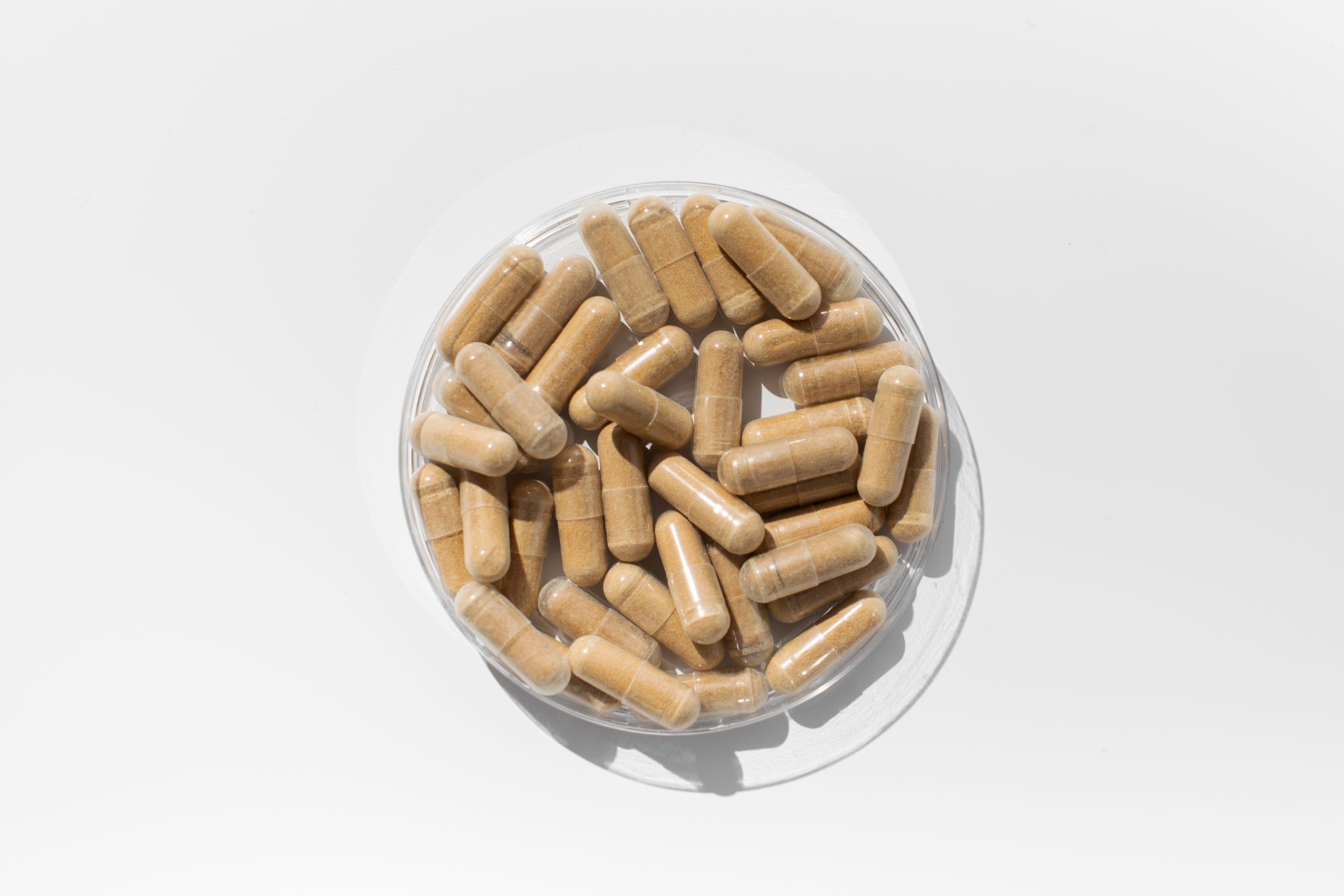
Our FMT capsule formulations, like HospBiome, DiffBiome and TransferBiome are designed to reintroduce diverse, robust microbial communities into a damaged gut ecosystem. These capsules are prepared with strict microbiological protocols, ensuring both safety and efficacy.
The therapeutic effect of FMT is not limited to bacterial reintroduction. A transplant also carries metabolites, bacteriophages, i.e. a complete microbial network that influences short-chain fatty acid (SCFA) production, mucosal immunity and epithelial barrier function. In particular, butyrate-producing strains play a central role in regulating local and systemic inflammation. [2], [5]
But a successful transplant is not just about delivering microbes. It’s about creating a favorable environment where they can establish, multiply, and function harmoniously. This is why the Symptom Importance Scale (SIS) for C. difficile patients and the Disbiosys Scale for people suffering from various gut issues were developed – to help healthcare providers dynamically adjust dosage and intensity based on the severity of dysbiosis, infection burden, and patient-specific factors until more sophisticated and well established scoring systems become available.
At MicroBiome Bank, we don’t just provide capsules; we offer clinical support frameworks, enabling hospitals and physicians to deliver microbiota transfer therapies within 72 hours across Europe. For clinicians, this means practical availability of a therapy that in randomised trials has shown over 80 % effectiveness in recurrent C. difficile infection. [3]
4. Exposomes – The Unseen Forces Shaping Your Microbiota
Beyond capsules, the greatest determinant of your microbiota’s success is you – specifically, your exposome. An exposome encompasses all environmental factors that influence your biological systems – diet, stress, sleep, pollution, medications, and even your social interactions.
Each of these factors can either nurture or disrupt your microbial ecosystem. For instance:
- Antibiotics kill pathogens but also destroy the set ratio of the different strains necessary for optimal operation.
- Processed foods and additives promote dysbiosis, while dietary fibers support microbial diversity.
- Chronic stress and poor sleep directly alter the gut-brain axis, changing microbial composition.
Clinically, gradual correction of diet, sleep, stress and medication load tends to support microbial resilience more reliably than rapid, restrictive regimens; these adjustments also condition the host environment for durable engraftment after FMT [2], [4].
From a clinical standpoint, exposome management is less about radical interventions and more about gradual correction of environmental pressures. Examples include reducing ultra-processed foods, aligning sleep with circadian rhythms and moderating medication use when possible. These changes influence microbial resilience more reliably than sudden, restrictive regimens.
5. How to Use This Guide
This Handbook is designed as a step-by-step roadmap to help you rebuild your internal ecosystem alongside your FMT therapy. Here's how you should use it:
1. Implement One Step at a Time: Don’t rush. Each new action (dietary, lifestyle, environmental) should be introduced in 14-day cycles.
2. Track Your Progress: Use a calendar or a tracking sheet (on-line Food and Complaint Diary) to monitor daily actions and changes in your well-being.
3. Coordinate with Your Physician: This guide complements your clinical treatment. Always follow your doctor’s instructions regarding FMT capsule intake, other medications, and follow-ups.
4. Consistency Over Perfection: It’s okay to stumble. Long-term success comes from small, consistent actions, not drastic overhauls.
5. Reinforce, Adapt, Evolve: As your microbiota strengthens, so will your body’s capacity to adapt. This guide will show you how to maintain this progress for life.
For clinicians: these steps are intentionally simplified for patients. In practice the same principles apply in clinical follow-up – monitoring changes, introducing interventions gradually and adapting treatment dynamically.
6. Who We Are – The MicroBiome Bank Team
Every success is powered by a dedicated team of professionals:
- Attila Bezzegh, Medical Director, Physician-Microbiologist
- As head of the MicroBiome Bank laboratory, I ensure the safe implementation of cutting-edge microbiological technologies, guaranteeing the highest quality microbiota transfer services for our partner institutions.
- Anna Munar, Exposome Specialist - I provide professional support for physicians during FMT procedures to ensure that patients receive their selected donor material under the most appropriate environmental conditions. My focus is on aligning dietary, lifestyle, and environmental factors so that engraftment and long-term microbiota stability are supported as effectively as possible.
- Gábor Patay, Microbiota Specialist, Physician
- My role is to support clinical colleagues during microbiota transfers with protocols, focusing on distinguishing between treatment-related side effects and unrelated symptoms in daily practice.
- László Hernold, Commercial Director, Physician
- As an intensive care physician, I bridge communication between hospitals and our laboratory, providing up-to-date insights on FMT, especially in managing Clostridioides difficile infections.
- Attila Belatiny-Kenéz, Managing Director, Physician
- My responsibility is to align our company’s strategy with the latest research and legal frameworks, ensuring our services are accessible to all European healthcare institutions. I oversee the development of educational resources for clinicians and patients alike.
We don’t merely distribute microbiota capsules. We deliver knowledge, structure, and clinical backup to every institution we work with, ensuring that microbiota transfer becomes a reliable, accessible therapy across Europe. Our approach remains pragmatic: FMT is not a universal solution, but a therapeutic option with defined indications, clear protocols and the need for multidisciplinary integration.
7. A Final Thought – Health is an Ecosystem, Not a Battlefield
The key message of this Handbook is simple but profound: Health is not the absence of microbes but the presence of balance.
Dysbiosis is not the root of one disease; it is the foundation of many. Microbiota restoration isn’t about eradicating enemies - it’s about rebuilding alliances within your own body. This is not a promise of cure but a framework for restoring ecological stability. In clinical reality, outcomes vary, and patient-specific factors strongly influence success. The purpose of this handbook is to offer both patients and physicians a structured way to approach this complexity.
With this guide, FMT capsules, and deliberate lifestyle interventions, you are not just treating a disease. You are rebuilding a resilient, self-sustaining internal ecosystem—one microbe, one habit, and one day at a time.