
My Gut Garden Begins to Bloom
There was a time when he thought of nutrition purely in terms of macros. Just as he learned: protein to rebuild, carbs to fuel, fats to balance hormones. But now, after clearing out his pantry, his mindset had shifted. Food wasn’t fuel. It was fertilizer – for the invisible garden inside him.
The first changes were subtle. His digestion grew quieter. The post-meal bloating disappeared. Sleep deepened, dreams sharpened. And perhaps most surprising: his cravings changed. Instead of protein bars, he wanted sauerkraut. Instead of chocolate, he reached for blueberries soaked in kefir. His gut, he realized, was sending different signals – because it had different residents.
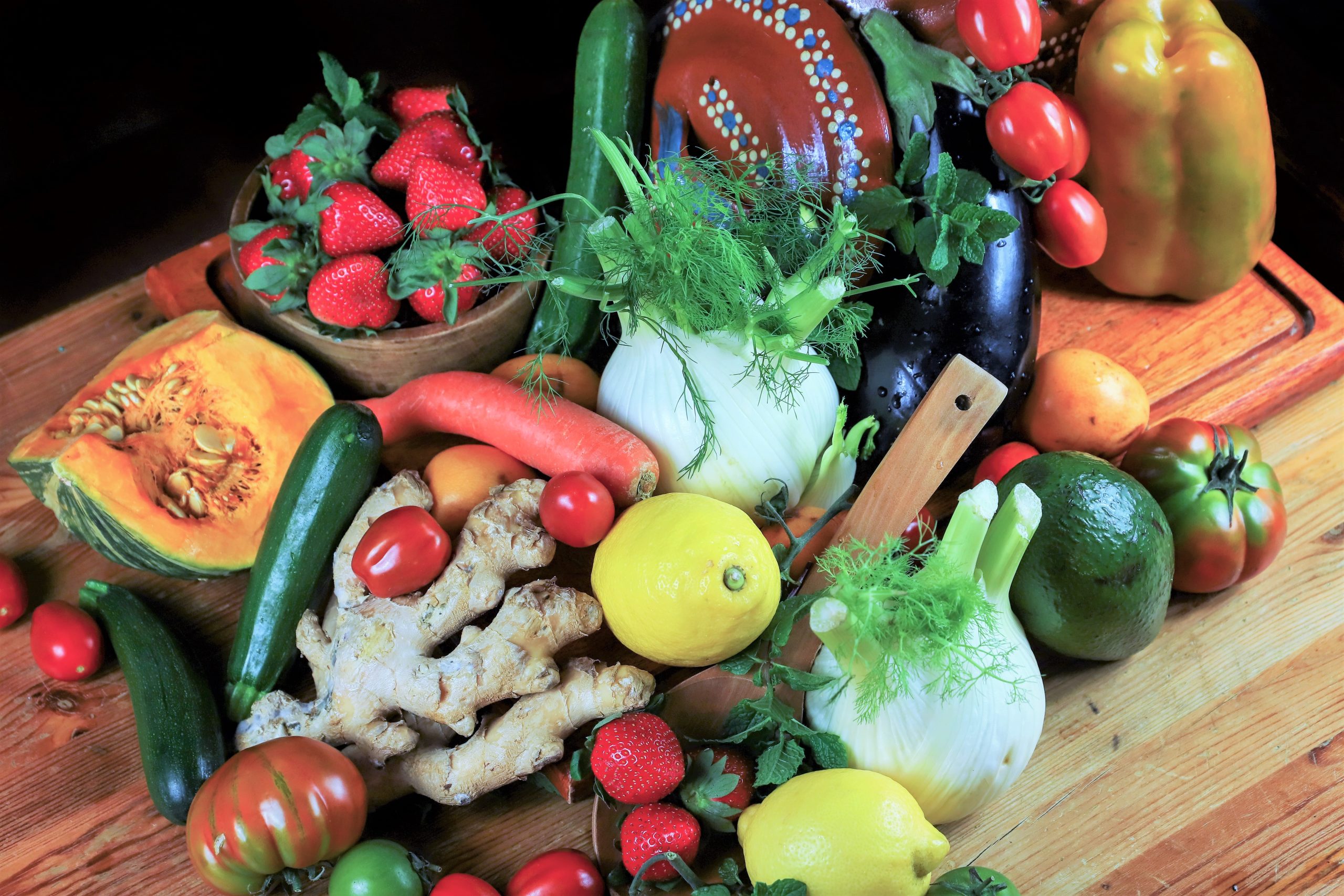
He’d fed them with care. Prebiotics from leeks and legumes. Fermented foods rich in Lactobacillus and Bifidobacterium. Cooked and cooled potatoes for resistant starch. Red cabbage, pomegranate, and olive oil for polyphenols. Within days, he felt his gut moving differently – not just physically, but mentally. A kind of clarity returned that he hadn’t realized he’d lost.
The science backed it up. When we eat real, whole, fiber-rich food, we don’t just nourish ourselves – we co-feed with the bacteria that protect us. In return, they produce postbiotics like butyrate, propionate, and acetate – short-chain fatty acids that lower inflammation, stabilize blood sugar, and even improve brain function.
It wasn’t glamorous. No supplements, no extreme fasting, no IV drips. Just real food. Real cooking. Real rhythm. And the most underrated anti-aging medicine in the world: chewing slowly while seated.
He kept a simple rule now: “If I can’t trace its journey from soil or sky to my plate, my microbes probably don’t want it.” If he cannot tell what its origin is, he is not interested. Within two weeks, his resting heart rate dropped. His HRV - which he followed on his watch -climbed. But more than numbers - he felt grounded. Rooted. Like he’d rejoined something natural.
Next week: Next week: “The Clock That Heals” — time-restricted eating, circadian microbes, and when you eat matters more than you think.