
Egészségesnek tartja magát?
Become a donor!
Scroll Down
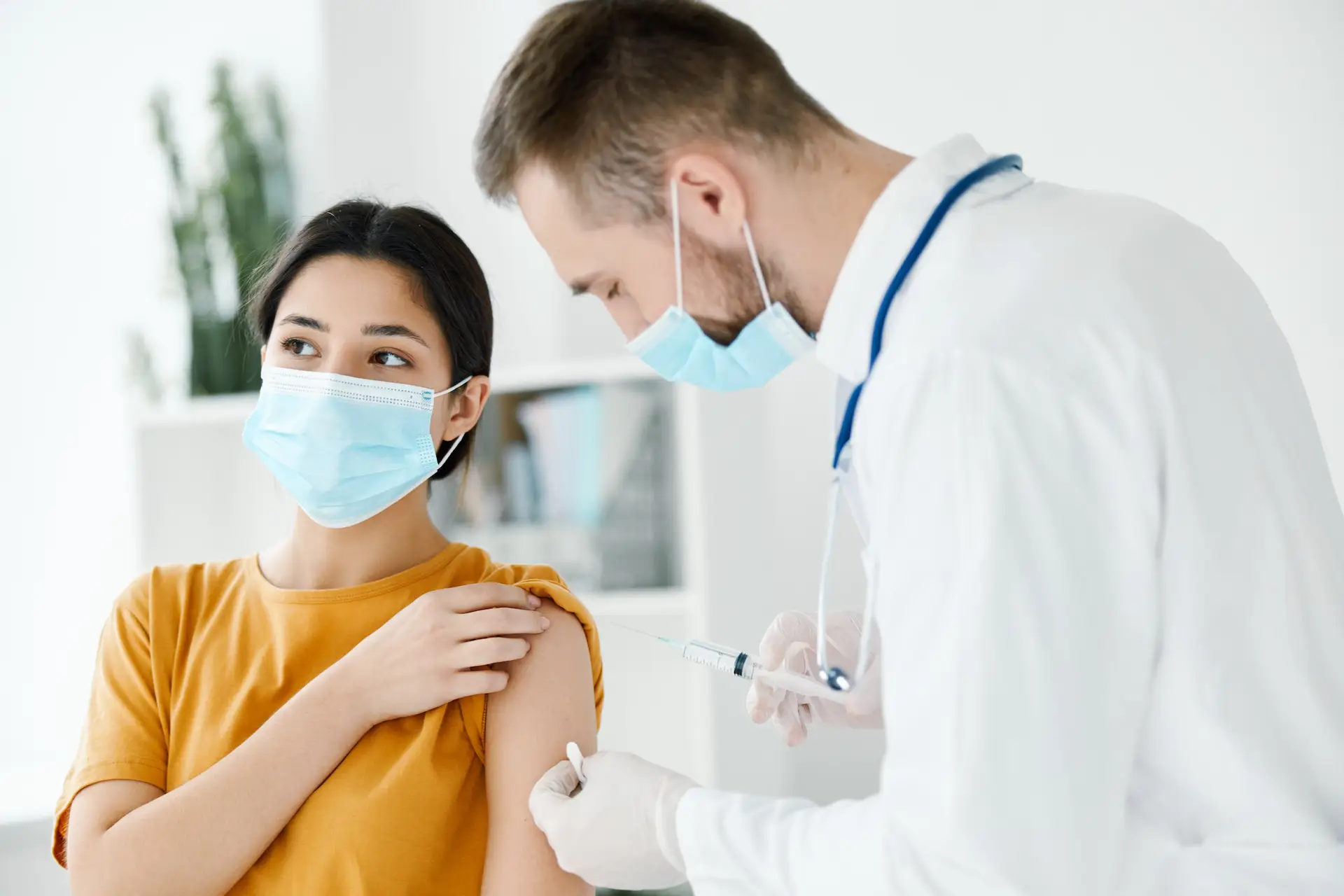
MicroBiome Bank donors are extraordinary individuals. Your healthy gut microbiota — shaped by your genetics, lifestyle, and diet — contains thousands of bacterial strains that can help patients suffering from Clostridioides difficile infection, inflammatory bowel disease, and other microbiota-related disorders.
By donating, you're not giving blood or organs — you're sharing the invisible ecosystem living inside you. The process is non-invasive, safe, and comes with significant benefits for you and your family.
1
Donation
9500
Bacterial strains
The Donor Journey
9 steps from registration to active donor
The process is transparent and carefully designed to protect both you and future patients. Each step is explained below.
5 min · OnlineApplication
Application
Complete a short application form with your name and email address. This is not a registration — we do not collect health-related or identifiable personal data at this stage. The sole purpose is to provide you with a link to the Donor Screening Questionnaire. You'll immediately receive a pseudoanonymised Donor ID (e.g., D1003550).
(No health data, no Social Security Number, no address — just your name, email and some basic data to send you the questionnaire link.)
15-20 min · Online
Donor Screening Questionnaire (DSQ)
You'll receive a link to the DSQ — a comprehensive health and lifestyle questionnaire covering 99 clinical questions across 7 categories: Early Life, Body Composition, Diet & Nutrition, General Health, Sleep Quality, GI Function, and Lifestyle. The questionnaire is fully pseudoanonymised.
(Your responses are scored using our V5 weighted scoring system across 7 clinical categories with individual weight multipliers (×1.0 to ×1.5).)
1-3 days · Medical review
DSQ Evaluation & Certificate
Your responses are automatically scored and reviewed by our medical team. You'll receive a Donor Screening Certificate with your total score, category breakdown, eligibility status, and Super-Donor classification (if applicable). If any exclusion criteria are triggered, you'll be informed with a clear explanation.
(The DSQ contains 20 exclusion questions that automatically disqualify candidates — regardless of total score.)
10 min · Online
Registration
If your DSQ evaluation is positive, we invite you to complete the full donor registration. This is where we collect the personal and health-related data necessary for the laboratory screening and contractual process: date of birth, gender, address, and medical contact information. Your data is protected under GDPR and linked exclusively to your pseudoanonymised Donor ID.
(📋 Registration is only requested from candidates who passed the DSQ — we never collect unnecessary personal data.)
Step V
Laboratory Screening
Registered donors are invited for comprehensive laboratory testing: blood panel (CBC, liver/kidney function, infectious disease screening for HIV, HBV, HCV, Syphilis, CMV, EBV), urine analysis, stool bacteriology & parasitology, and microbiome profiling via Dynamap metagenomics.
(🎯 All testing costs are fully covered by MicroBiome Bank.)
30-60 min · In person
Personal Meeting & Contract
If your laboratory results meet our criteria, you're invited for a personal consultation. We discuss your results, answer questions, and sign the Donation Agreement, Privacy Policy, and Data Processing Consent. Donation may only begin after this step is completed.
(✍️ This step is a legal requirement. No donation can proceed without a signed contract.)
5 days × 2 weeks · At home
Donation
Collections happen at home using a hygienic, easy-to-use device we provide. The standard schedule cycle is 5 consecutive days in each of two consecutive weeks (10 collections total). Each takes only minutes.
8 weeks · MBB laboratory
Processing & Safety Storage
Your donation is processed, encapsulated, and stored under strict conditions. A safety quarantine period ensures any infection not yet detectable at the time of donation can be identified before the material is released.
Ongoing
Donor Retesting & Ongoing Status
After quarantine, you undergo a second round of laboratory testing to confirm you were infection-free at the time of donation. Once cleared, you become an active MicroBiome Bank donor — with periodic health check-ups at our expense, regular DSQ updates, and the opportunity to continue donating.
Donor Requirements
What makes a good donor?
Our donors are selected based on strict clinical criteria to ensure the highest quality microbiota for patients.
🏥 Medical history
You should be free of all currently known infectious diseases, have a well-functioning digestion, a stable nervous system, a flawless excretory system and a balanced hormonal system.- No history of cancer
- No chronic GI diseases
- No autoimmune conditions
- No metabolic diseases
- No neurological/psychiatric disorders
📅 Age
Age-related characteristics are not transferable, but it is important that the age of the donor is as close as possible to the age of the person receiving the treatment. Donors should be no more than 45 years old.- Between 18 and 45 years old
- Biological age lower than chronological
- Age-appropriate mental health
- Positive attitude
- No behavioural risks
🥗 Diet & Nutrition
The microbiota is most influenced by food intake. We expect you to eat a balanced and varied diet made from food ingredients of the highest quality — both in the short and long term.- Balanced, varied diet
- 16+ vegetable types/week (ideal)
- Regular fermented food intake
- Adequate hydration (2L+/day)
- No restrictive diets
🏃 Physical Fitness
Microbiota provided by people who engage in regular, moderate-intensity exercise is more suitable for improving physical fitness and providing a more stable ecosystem. That is why we need you!- Regular exercise (3-5+/week)
- Healthy BMI (18.5-25)
- Good endurance
- No performance-enhancing substances
🦠 GI Health
A healthy gastrointestinal tract is the foundation of a high-quality donor microbiota. Ideal stool consistency, regular bowel habits, and — most importantly — a history free of antibiotics are strong indicators of an undisturbed intestinal ecosystem.- Regular bowel movements (1-2/day)
- Bristol Stool Scale 3-4
- No antibiotic use (ideally never)
- No GI medication
🤝 Commitment
Donor selection is time-consuming for both you and the medical team, and costly for the patient. Before applying, it is important to consider whether the minor inconveniences associated with donation can be borne by you after a successful selection.- Willing to maintain healthy lifestyle
- Consent to periodic screening
- Available for regular donations
- Consent to data processing
Donor classification
Donor Tiers
Standard, Super-Donor, and Elite Super-Donor are health-based classifications derived from the DSQ scoring system. Within each tier, donors who demonstrate significantly above-average physical performance (competitive athletes, ultra-endurance athletes) qualify for the additional "Ultra Donor" designation.
Standard Donor
SD Bonus < 40 pts- Full health screening
- Personal microbiota archive
- Annual health monitoring
- Premium animal protein
- Priority patient matching
- Extended microbiota profiling
- 🏅 Standard Ultra — for competitive/ultra-endurance athletes within this tier
⭐ Super-Donor
SD Bonus 40–59 pts- Full health screening
- Personal microbiota archive
- Annual health monitoring
- Premium animal protein
- Preferred patient matching
- Annual deep microbiota analysis
- 🏅 ⭐ Super Ultra — for competitive/ultra-endurance athletes within this tier
⭐⭐ Elite Super-Donor
SD Bonus ≥ 60 pts- Full health screening
- Personal microbiota archive
- Annual health monitoring
- Premium animal protein
- First-choice for all patients
- Quarterly deep microbiota analysis
- 🏅 ⭐⭐ Elite Ultra — for competitive/ultra-endurance athletes within this tier
Being a Donor
Provides You with Significant Benefits
You're becoming a donor to help patients in need. But we believe the people who give should also receive.
Comprehensive Health Monitoring
Regular blood, urine, and stool testing — all at our expense. You’ll know more about your health than most people ever will.
Personal Microbiome Insurance
Your own microbiome is archived and available to you at any time. If you ever need FMT treatment, your own healthy bacteria are ready.
Premium Animal Protein
Active donors receive high-quality meat from pasture-raised, grass-fed animals — vacuum-packed and delivered year-round. A clean protein source supporting your microbiota.
Full Cost Coverage
The entire screening and testing process — which would cost hundreds of euros privately — is fully covered by MicroBiome Bank.
FAQ
Frequently asked questions
Is the donation process painful?
Not at all. Stool donation is entirely non-invasive — you collect samples at home. The only clinical procedures are routine blood draws and urine samples during the screening stages.
Is my personal data safe?
Your data is pseudoanonymised from the first step. Only your Donor ID appears on questionnaires and lab samples. Personal data is stored separately, encrypted, and processed in full compliance with GDPR and the UK Data Protection Act 2018.
Can I be rejected?
Yes. The DSQ contains 20 exclusion criteria (e.g., active GI disease, recent antibiotics, active smoking, structural bowel conditions). If triggered, you’ll receive a clear explanation. Rejection is not personal — it’s a clinical safety requirement for patients.
How long does the entire process take?
From registration to first donation: approximately 10–14 weeks. Registration + DSQ: 1 day. Evaluation: 1-3 days. Lab testing: 2-4 weeks. Contract: 1 day. Donation: 2 weeks. Quarantine: 8 weeks. Retesting: 1-2 weeks.
Do I get paid?
Under applicable law, biological donation is free of charge. However, MicroBiome Bank covers all costs, provides health monitoring, stores your microbiome archive, and offers additional benefits — including premium animal protein — to active donors.
Can I withdraw at any time?
Yes, without consequences. Under GDPR Art. 7(3), you may withdraw your consent at any time. Your stored microbiome material can be destroyed or returned to you upon request.
Are you
Ready to Make a Difference?
Your healthy microbiome could be someone's path to recovery.