

Your microbiota is a community of trillions of bacteria, viruses, fungi, and archaea that works as a secondary organ alongside you — here you meet its core concepts and find your own way through the book.
Your microbiota is a community of trillions of bacteria, viruses, fungi, and archaea that works as a secondary organ alongside you — here you meet its core concepts and find your own way through the book.
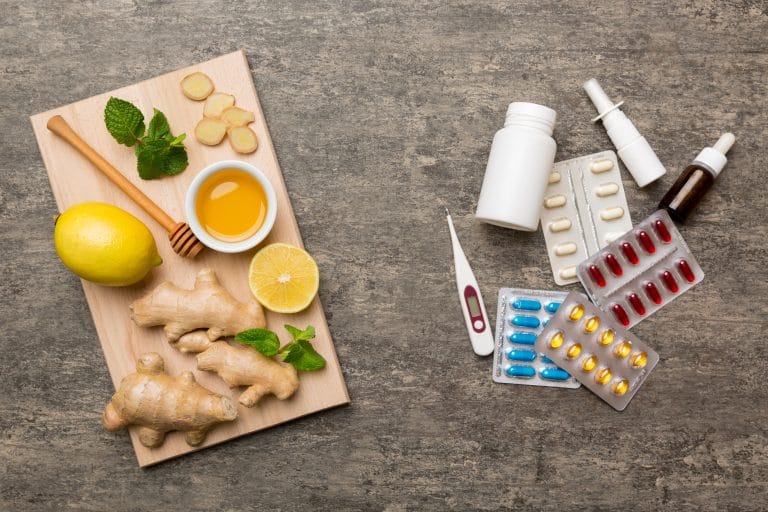
Your microbiota acts on you through five mechanisms — gut barrier, short-chain fatty acids, the gut–brain axis, immune modulation, and drug metabolism — and understanding them is what makes the lifestyle levers make sense.

An evidence map that sorts diseases by how firmly the microbiota's role is established — from conditions where it is already the treatment, through strong associations, to mere correlation and open hypotheses.
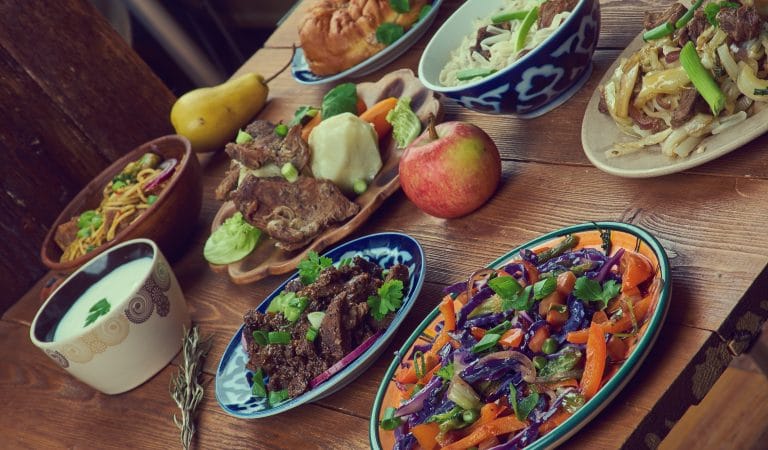
Nutrition is your fastest-acting lever on the microbiome: enough fiber and prebiotics, fermented foods, a wide variety of plants, fewer ultra-processed foods, and optionally time-restricted eating.

Among environmental factors, air pollution, water quality, and everyday chemicals shape your microbiome — here we separate the realistic priorities from the fashionable 'detox' myths.
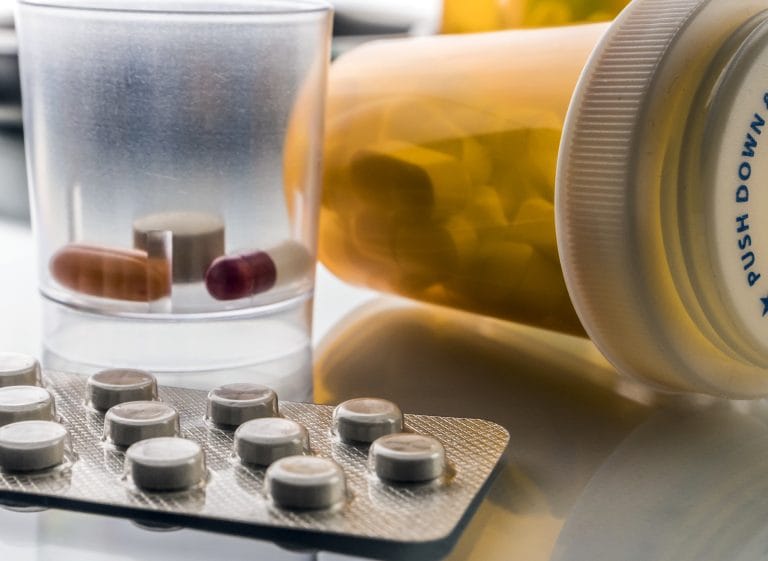
From antibiotics to acid blockers to metformin, chronic medications reshape your microbiome to differing degrees, and this chapter shows what you can safely do about the side effects without ever stopping prescribed treatment on your own.

Your microbiome builds in infancy, matures through childhood, stabilizes in adulthood, transforms during pregnancy and lactation, and declines with age — though far less inevitably than once thought — and this chapter gives the typical pattern and maintenance levers for each stage.
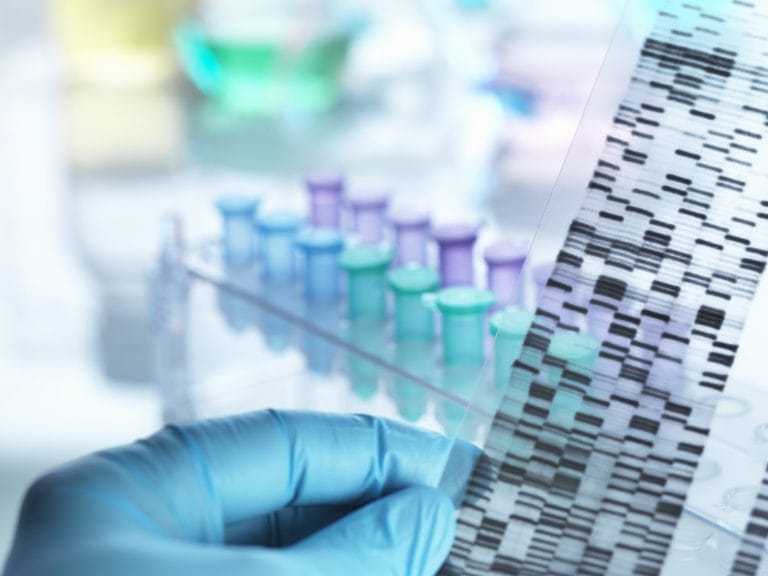
Your genes determine only about 10–20% of your microbiome — environment and diet account for the rest — so microbiome-based "personalized" nutrition isn't yet worth paying for.
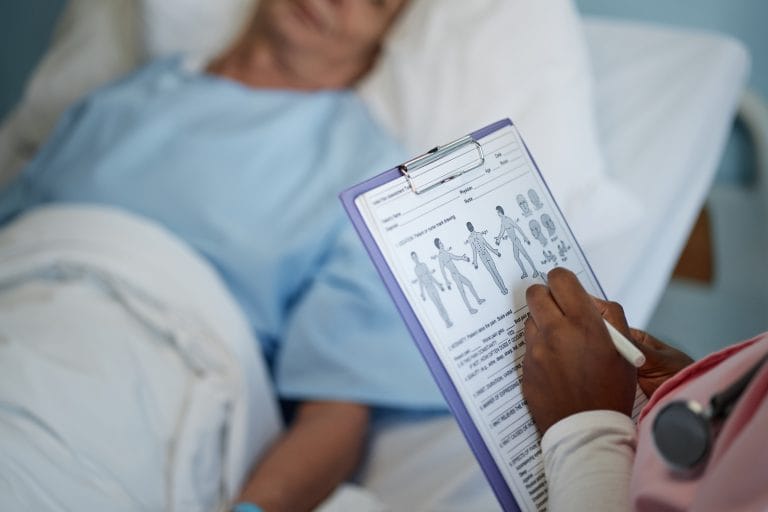
There is no "normal" microbiome result, so this chapter separates the clinically useful targeted markers (calprotectin, H. pylori, SIBO) from full 16S/shotgun portraits and overpromising home tests — and shows when testing is actually worth it.