


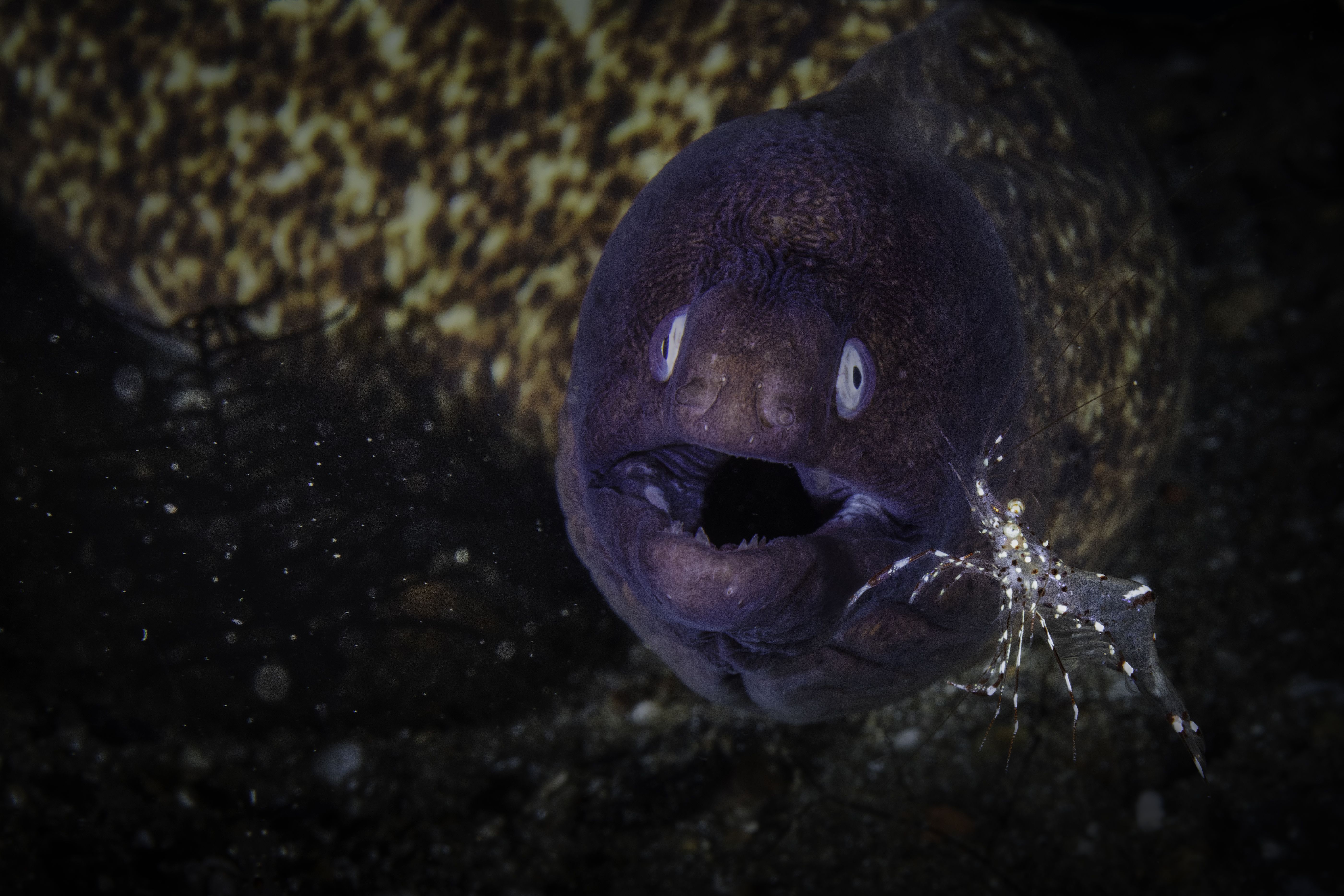
Eel
The "smoky" omega-3 concentrate — high EPA/DHA, outstanding vitamin D, and the Japanese sushi tradition.
In 1 minute
What does it provide? Eel's nutritional profile is exceptional: high EPA + DHA, outstanding vitamin D, vitamin A, B12, CoQ10. HOWEVER: European eel is IUCN "Critically Endangered" — there is no nutritional necessity; salmon, mackerel, sardine, herring abundantly provide the same nutrients.
How much? 1–3 occasions PER YEAR, small servings (50–100 g), ONLY from ASC-certified farmed source. Never from wild catch.
When to avoid? In pregnancy moderate due to vitamin A teratogenic risk (> 3000 µg/day; eel 1000 µg/100 g!). Avoid combining with cod liver oil or liver dishes at the same time. Cold-smoked eel to be avoided in pregnancy (Listeria). Forbidden in fish allergy. From an ethical/sustainability standpoint, avoid all wild catch.
Eel is a millennial foundation of Central European, Dutch, Danish, Japanese, and Chinese gastronomy: eel fishing in lakes Balaton, the Danube, the Tisza, and Dutch IJsselmeer was a key winter protein source for centuries. Local "oven-baked eel" Hortobágy recipes, Dutch "smoked eel" (gerookte paling), Danish "smokede ål," and Japanese "unagi kabayaki" (eel grilled in sweet-savory lacquered sauce) remain strong regional identity elements. Lake Balaton's eel stock grew significantly in the mid-20th century (German Stettiner-Haff-origin spawn stocked between 1961–1991), but stocking stopped from the 2000s, and the stock drastically declined.
Eel's life cycle was a mystery until 1922: Danish biologist Johannes Schmidt, after 16 years of research, established that European eel spawns in the Sargasso Sea (near Bermuda), then leptocephalus larvae drift to Europe over 1–3 years with the Gulf Stream. This life cycle is extremely vulnerable: hydroelectric plants (dams), river pollution, fishing pressure, and climate-driven ocean current changes together caused 95% stock collapse from the 1980s. European eel is now IUCN "Critically Endangered" and CITES Appendix II protected; eating fresh or smoked eel is a serious ethical dilemma from a sustainability standpoint. ASC (Aquaculture Stewardship Council) certified Japanese and European eel aquaculture partly alleviates wild stock pressure, but the starter (glass eel) still comes from wild catch — full artificial-breeding farming is not solved. From the microbiome perspective, eel's high EPA + DHA + D + A + B12 concentrate is a classic "functional food," but due to sustainability risk a drastic reduction in consumption is recommended. (Wikipedia, IUCN, CITES, Schmidt 1922)
🔬 Scientific Background
Omega-3 and cardiovascular effect: eel is a high-EPA + DHA fatty fish — one of the pinnacles of the AHA, EFSA, WHO "fatty fish" recommendation. 100 g of fresh eel contains 1.0–1.5 g EPA + DHA, easily covering the AHA 2 servings/week target in one serving.
Vitamin D: 100 g of eel covers 100–150% of the daily vitamin D reference (EFSA reference 15 µg) — especially valuable for correcting winter vitamin D deficiency; but due to high fat content and sustainability risk, seasonal fatty-fish choices (salmon, mackerel, herring) are preferred.
Vitamin A: OUTSTANDING retinol content (≈ 1000 µg/100 g, 100–125% of daily RDA). Caution in pregnancy: hypervitaminosis A teratogenic risk at > 3000 µg/day dose (EFSA UL). If we eat eel and also use cod liver oil and liver dishes, cumulative vitamin A easily exceeds the upper limit — important because it is teratogenic in the first trimester of pregnancy (craniofacial, cardiac malformations).
High fat and cholesterol: high fat content (≈ 18 g/100 g) and cholesterol (≈ 130 mg/100 g) warrants moderate consumption in cardiometabolic risk; but typical 50–100 g servings are manageable.
Mercury: eel's mercury content is low to moderate (< 0.1 mg/kg); European freshwater eel typically low — not the main risk. Listeria: cold-smoked eel to be avoided in pregnancy (EFSA). Allergy: with parvalbumin-mediated fish allergy, absolute ban.
Microbiome aspect: the high EPA + DHA + D + B12 concentrate is one of the most effective natural forms of anti-inflammatory, gut-barrier-supporting matrix — BUT sustainability risk overrides the nutritional benefit, because the nutrient profile is replaceable with other sustainable fatty fish (salmon, mackerel, sardine, herring).
Sustainability: European eel has been IUCN "Critically Endangered" since 2008, CITES Appendix II protected since 2009. Japanese eel is also endangered. ASC-certified farmed eel partly alleviates wild stock pressure, but the starter (glass eel) still comes from wild catch. Full artificial-breeding farming is not solved (research is ongoing). Ethically, drastically reducing consumption is recommended — 1–3 occasions per year in cultural/festive context is acceptable, only from ASC-certified source (IUCN, CITES, ASC).
- + Lemon juice: vitamin C → iron absorption, fattier eel flavor fresher.
- + Green leafy vegetables (spinach, arugula, chard): folate + K1 + magnesium alongside high fat + B12 + D matrix.
- + Japanese "kabayaki" style: soy + mirin + sugar + wasabi + cucumber: classic unagi-don.
- + Rice (Japanese ko-don): starch matrix slows fat absorption.
- + Central European "oven-baked eel with egg": protein + choline + fatty omega-3 — with sourdough bread.
- + Parsley + dill: terpene antioxidants alongside high fat.
- + Whole-grain cereals, legumes: fiber matrix for anti-inflammatory effect.
- + Wasabi, ginger (Japanese): capsaicin and gingerol analog, digestion-supporting.
- Cod liver oil + liver dish + eel on the same day: cumulative retinol > 3000 µg/day teratogenic risk — especially dangerous in pregnancy.
- Synthetic vitamin A supplement capsule + eel: redundant retinol, hypervitaminosis risk.
- High-sugar Japanese sauce + alcohol: glycemic spike + acetaldehyde + fat — pancreatitis risk.
- High-Na seasoning (salted soy + salted vegetables) + eel: Na overload.
- Over-aged, cold-smoked eel + pregnancy: Listeria risk.
- High-dose fish-oil capsule + eel: redundant omega-3 + cumulative bleeding tendency before planned surgery.
- Pregnancy: to be avoided, or max 1 occasion small serving (50 g) from ASC source. High vitamin A teratogenic risk (craniofacial, cardiac malformations in the 1st trimester). Cold-smoked form absolutely forbidden (Listeria).
- Infant and small-child age: regular consumption not recommended (vitamin A overdose risk). One festive occasion above 1 year acceptable.
- Chronic liver disease, hepatitis: high retinol is liver-loading — to be avoided.
- Vitamin A hyperdose (bone and liver damage risk): to be avoided.
- Hypercholesterolemia in hyperresponder phenotype: high fat + cholesterol is LDL-raising — moderate.
- Chronic pancreatitis: to be avoided due to high fat content.
- Fish allergy (parvalbumin): absolute ban.
- Before planned surgery: can cause bleeding tendency with high EPA + DHA + synthetic fish-oil combination.
- Ethical/sustainability aspect: European eel IUCN "Critically Endangered" — reducing consumption is also morally justified for those who love it.
- Anisakiasis risk (parasite): raw/semi-raw eel to be avoided, or freezing (-20 °C, 24 hours) mandatory.
Serving: 1–3 occasions PER YEAR, small servings (50–100 g), ONLY from ASC-certified farmed source.
Preparation pattern — unagi kabayaki (Japanese):
1. ASC-farmed unagi fillet.
2. Tare sauce: soy (5 tbsp) + mirin (5 tbsp) + sugar (2 tbsp) + sake (2 tbsp), reduced to a simmer.
3. On grill or pan 5–7 minutes, brushing with kabayaki sauce multiple times.
4. Serve: on rice bed (donburi), wasabi + cucumber + nori.
Preparation pattern — Central European oven eel:
1. Cleaned eel salted, peppered.
2. In the oven (180 °C), on top of sourdough bread, with butter.
3. 15 minutes — short heat treatment due to high fat content.
4. Serve: with fresh salad, lemon.
Classic patterns:
- Unagi-don (Japan): rice + grilled eel + tare sauce.
- Smoked eel (Netherlands): hot-smoked eel + bread + salad.
- Smokede ål (Denmark): Danish Christmas tradition.
- Central European oven eel: with sourdough bread, with egg.
- Anguilla in carpione (Italy): vinegar-vegetable marinade.
Storage: Fresh ASC-eel refrigerated 1–2 days. Frozen 6 months. Cold-smoked eel after opening 3–5 days. Vacuum-packed smoked: until producer expiry (generally 2–3 weeks refrigerated).
What not to do: Don't buy wild-caught eel (ethical/legal). Don't bake long at high temperature — the delicate flavor and texture are lost. Don't combine with vitamin A supplements or cod liver oil in pregnancy. Don't consume raw from Anisakis-risk source without freezing.