
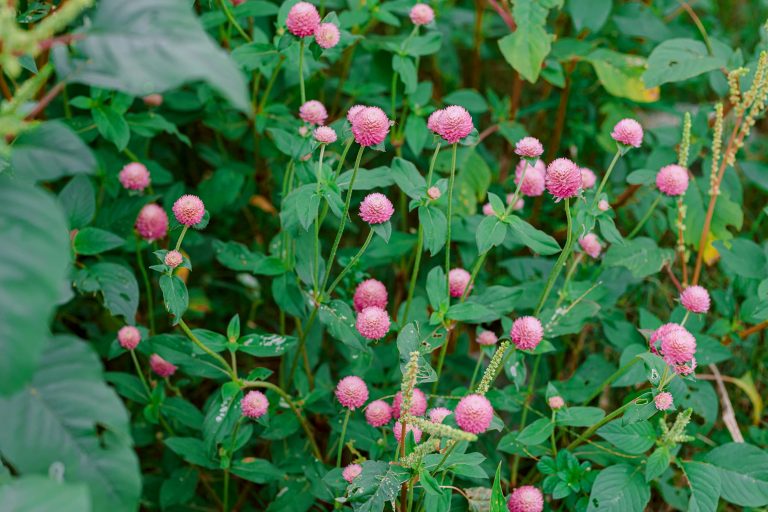
The Aztecs' "devil's grain" — squalene, high lysine, gluten-free pseudocereal.


The Aztecs' "devil's grain" — squalene, high lysine, gluten-free pseudocereal.
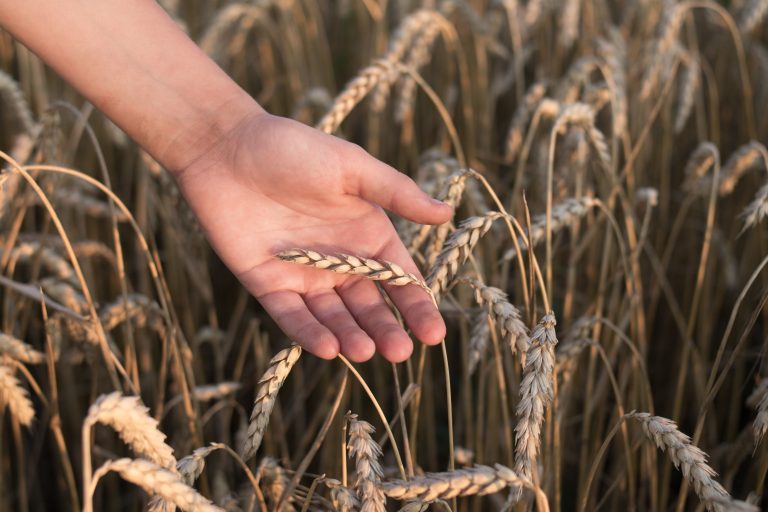
The ancient grain of Benedictine monasteries — arabinoxylan-rich, moderate β-glucan, but gluten-containing: not a celiac
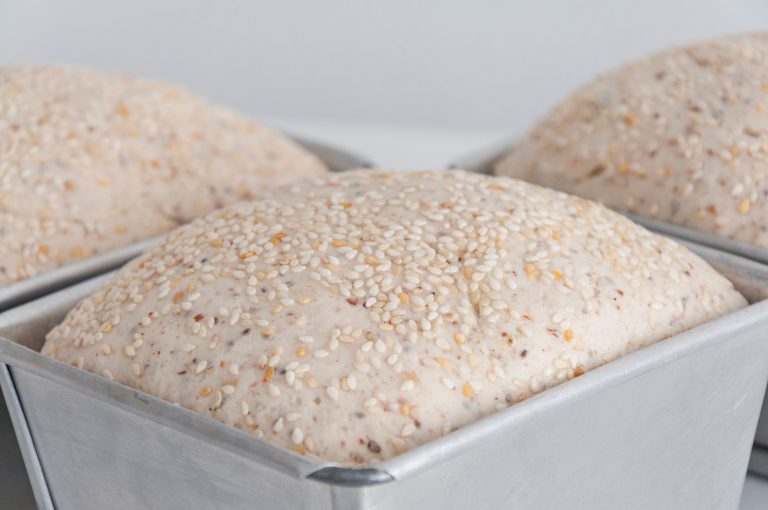
The bread grain of the Egyptian pyramids — tetraploid ancient wheat, high in lutein, with a yellowish bran-rich endosperm.
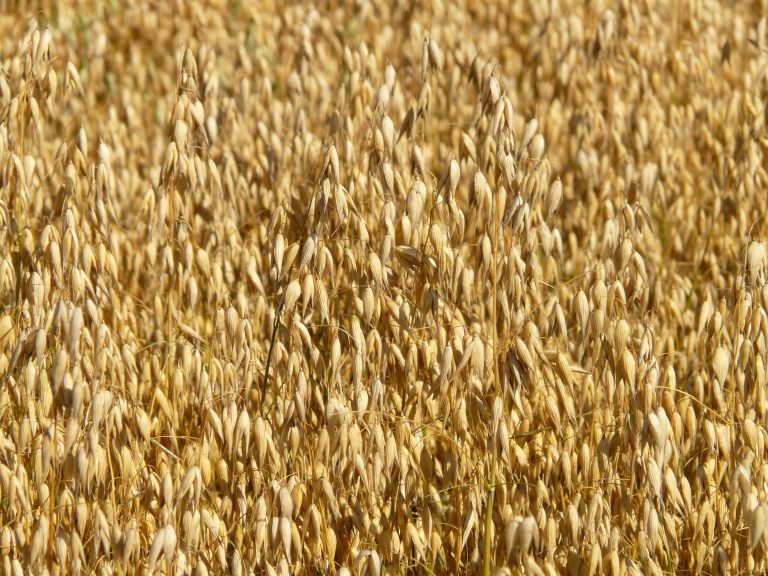
The science of Scottish porridge — β-glucan, FDA claim, and colonic fermentation.
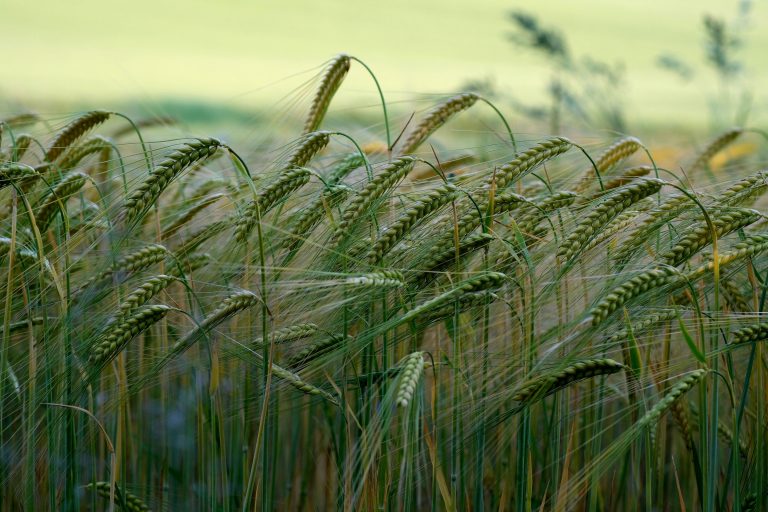
Humanity's oldest brewing grain — β-glucan, the Ninkasi hymn, and the high MW fraction.
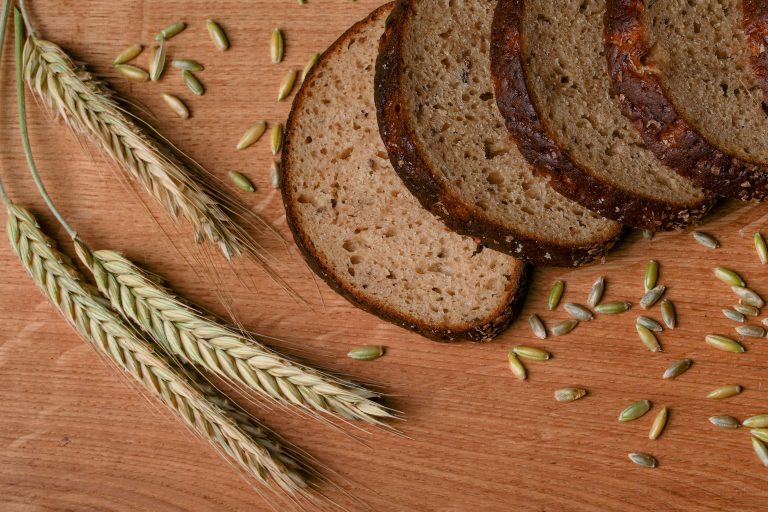
The science of Scandinavian pumpernickel — arabinoxylan, alkylresorcinols, and the Lindeberg RCT.
The world's staple grain — bran arabinoxylan, AXOS prebiotic, and the gluten-NCGS myth.
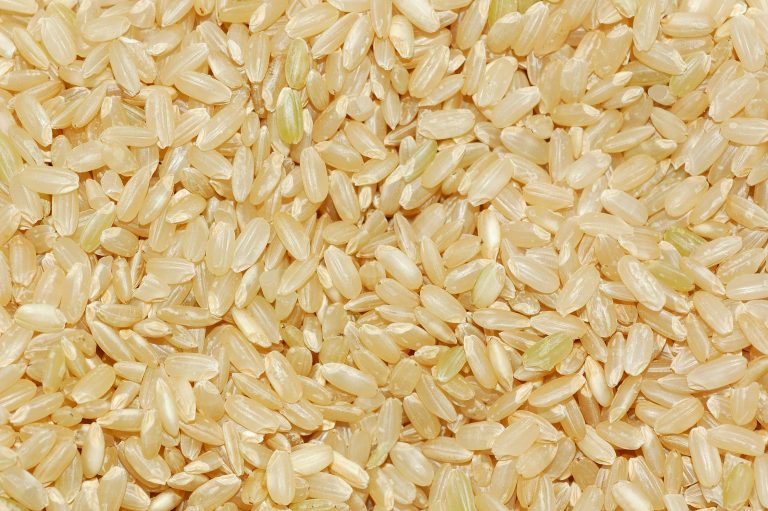
Half of Earth lives on it — γ-oryzanol, phytate balance, and arsenic caution.
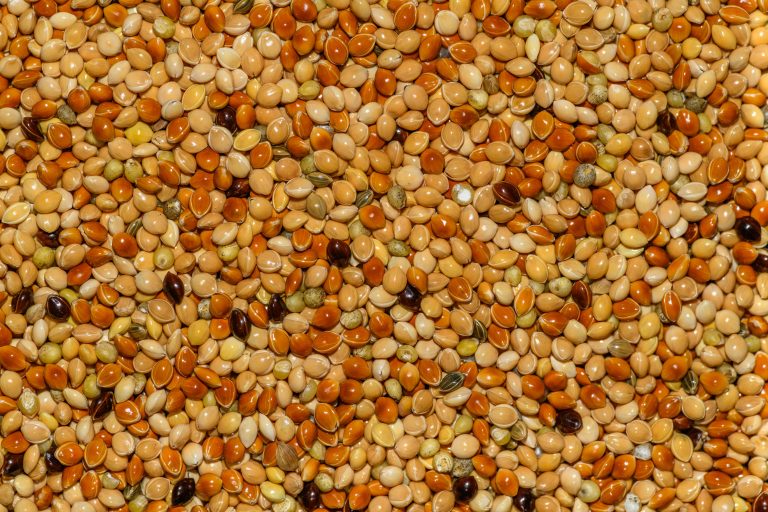
Africa's drought-tolerant grain — gluten-free, high iron, 3-deoxyanthocyanidins.
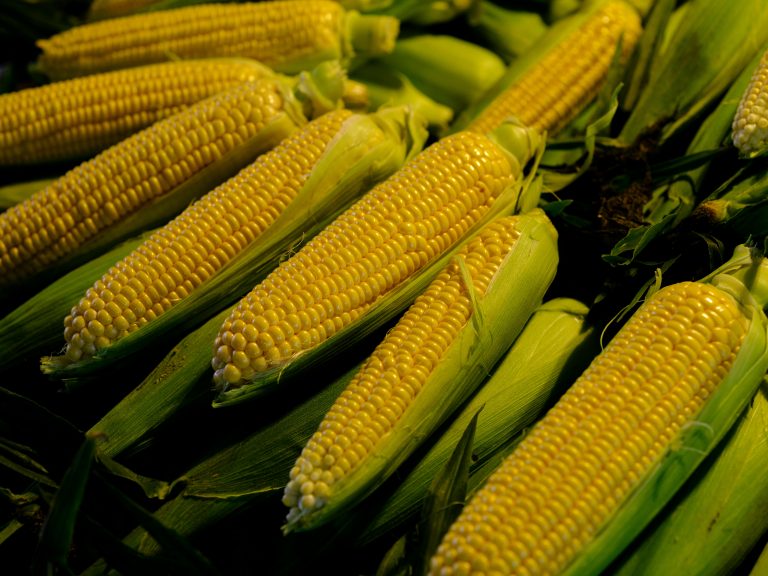
The Mesoamerican invention — nixtamalization, niacin release, and the conquest of pellagra.
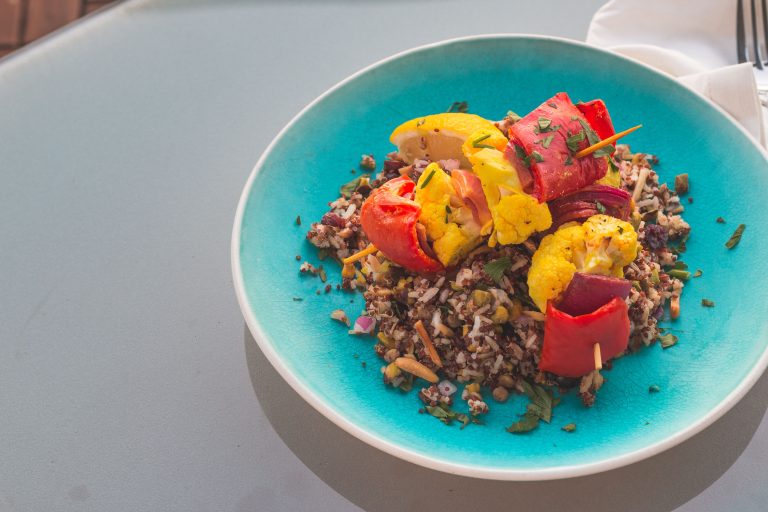
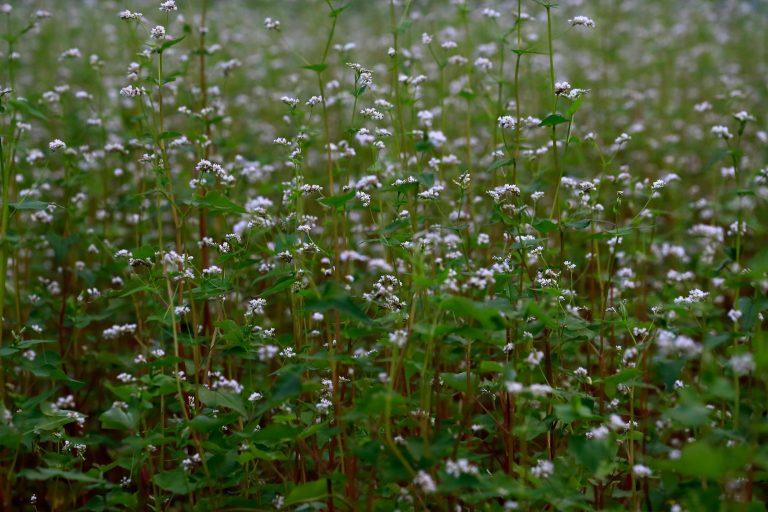
The Tatar pseudocereal — rutin polyphenol, the Polygonaceae family, and gluten-free kasha.
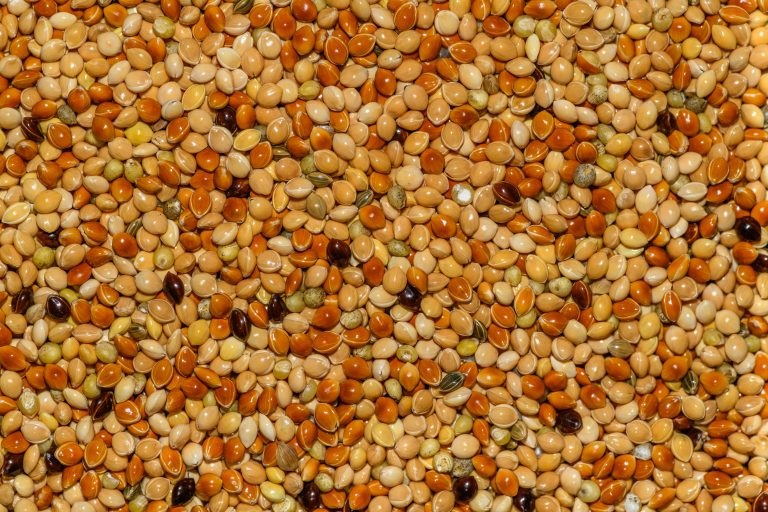
The porridge grain of the early Magyars — Setaria italica, high iron, gluten-free alternative.
The Aztecs' "devil's grain" — squalene, high lysine, gluten-free pseudocereal.
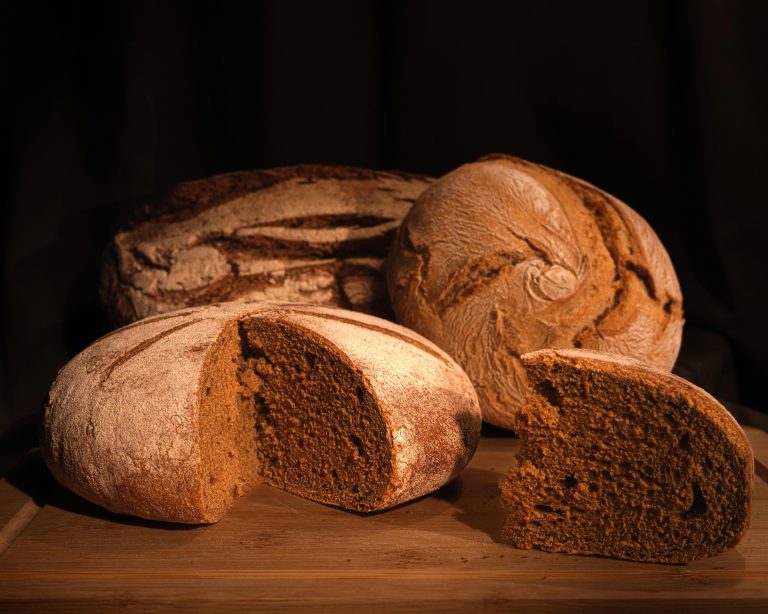
The Tutankhamun myth and KAMUT — lower gliadin, SCFA advantage, and the NCGS debate.
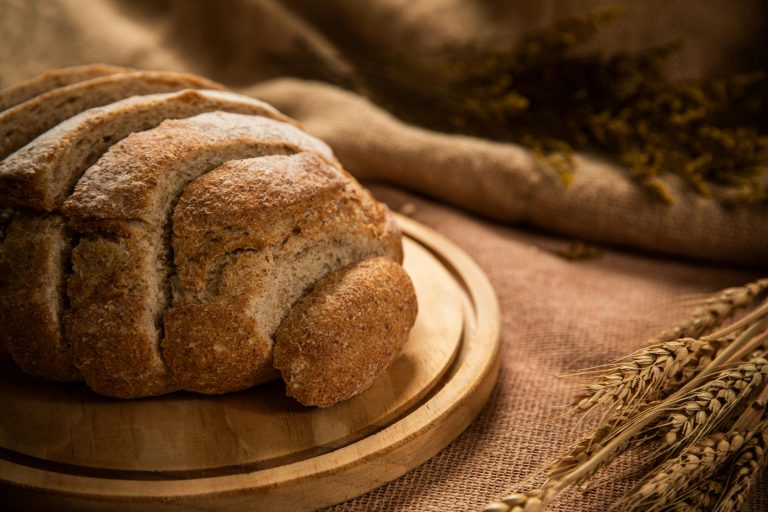
The science of San Francisco lactobacillus — phytate degradation, AXOS in situ, and the Pomp 2020 NCGS RCT.
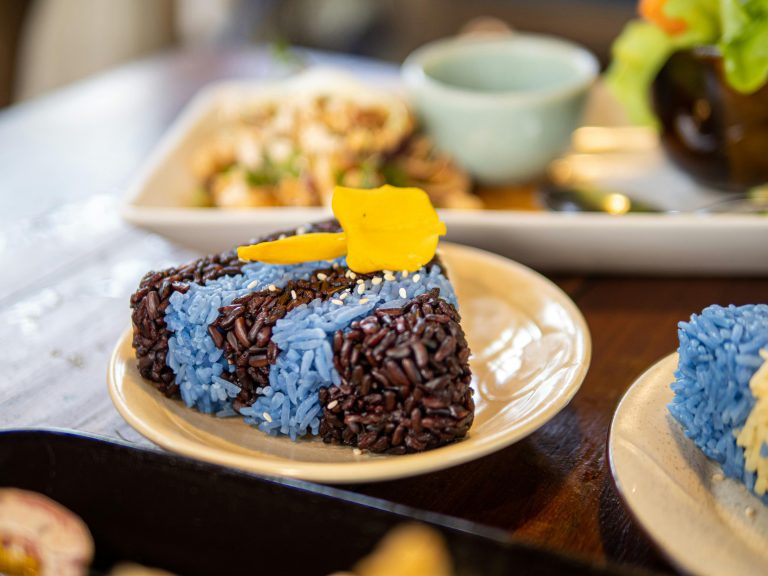
The "forbidden rice" anthocyanin powerhouse — high cyanidin-3-glucoside, pigment selection, and the Chinese imperial tradition.
The ancient grain of Benedictine monasteries — arabinoxylan-rich, moderate β-glucan, but gluten-containing: not a celiac
The bread grain of the Egyptian pyramids — tetraploid ancient wheat, high in lutein, with a yellowish bran-rich endosperm.