
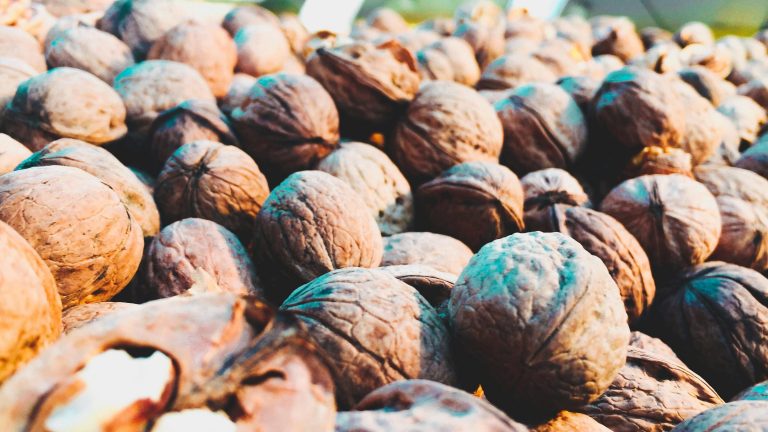
The Silk Road''s "royal acorn" — plant omega-3, ellagitannins, and microbiome-mediated urolithins.
The Silk Road''s "royal acorn" — plant omega-3, ellagitannins, and microbiome-mediated urolithins.
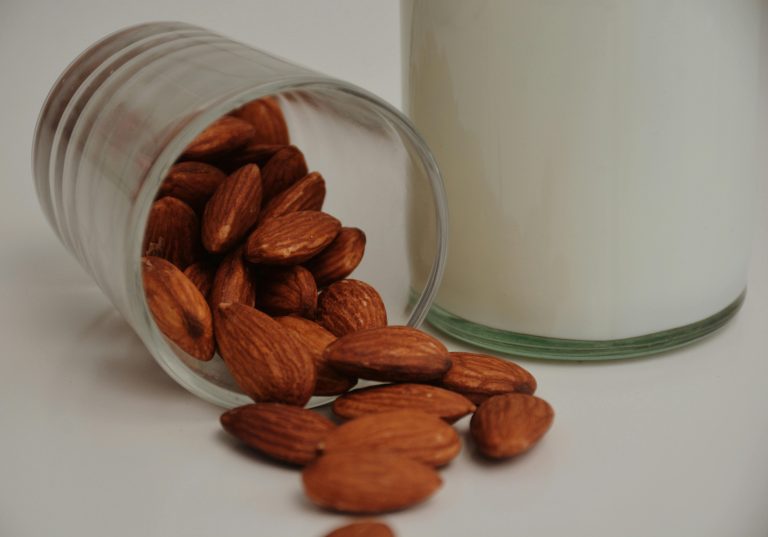
Millennia-old seed of the Levant — polyphenol in the skin, LDL reduction in the plasma, butyrate in the colon.
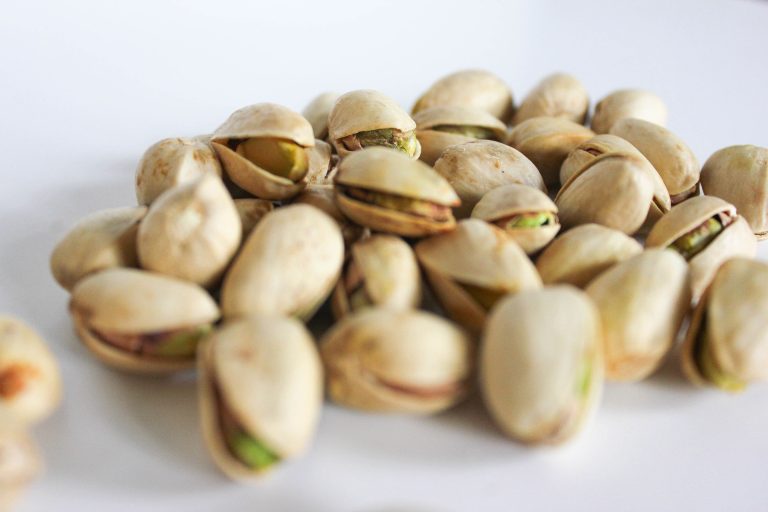
The "green gold" — uniquely lutein-rich nut with a polyphenol matrix that drives a strong butyrate response.
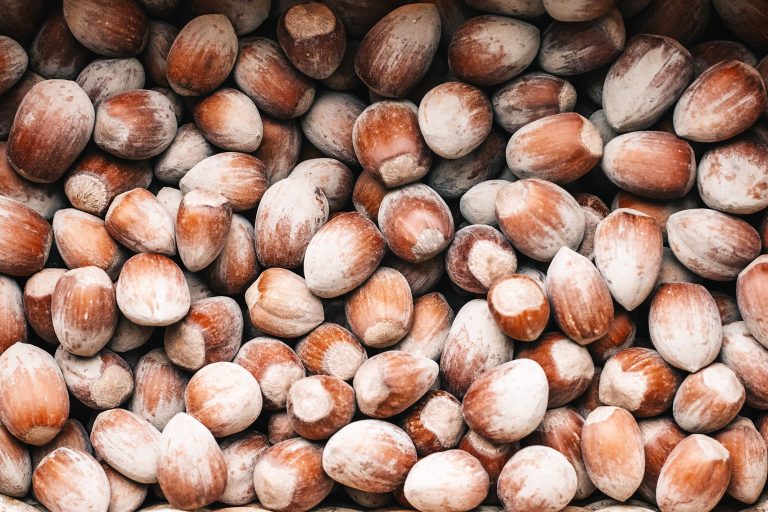
The Mesolithic nut — Stone Age favorite, foundation of Piedmontese confectionery, and a restrained but real SCFA booster.
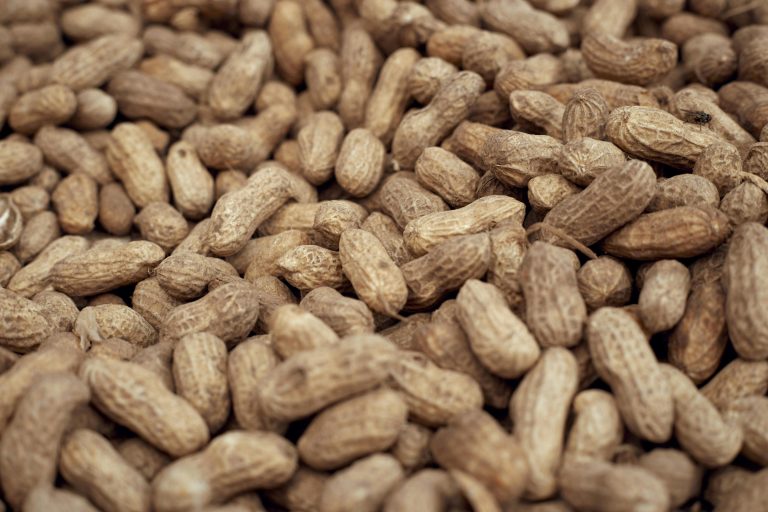
Not a nut, but a legume — native seed of the Gran Chaco, with butyrate-boosting RCT and the paradoxical allergy message of the LEAP lesson.
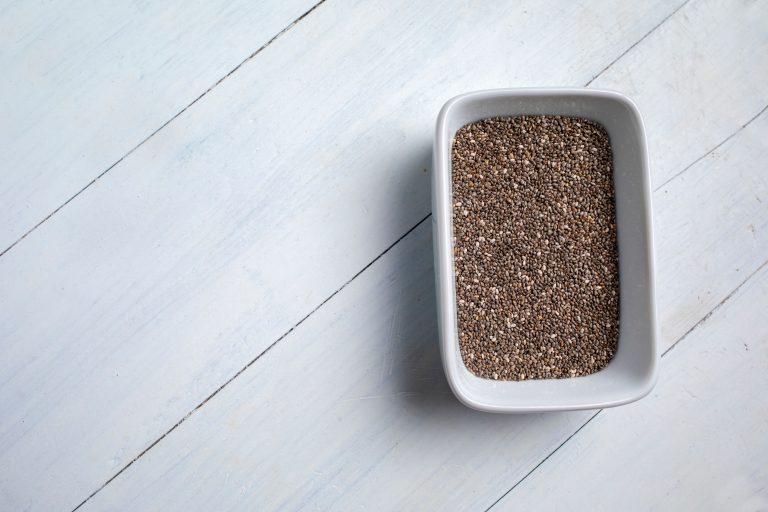
Soldier food of Aztec warriors — gel-forming mucilage fiber and one of the plant kingdom's highest ALA contents in a tiny seed.
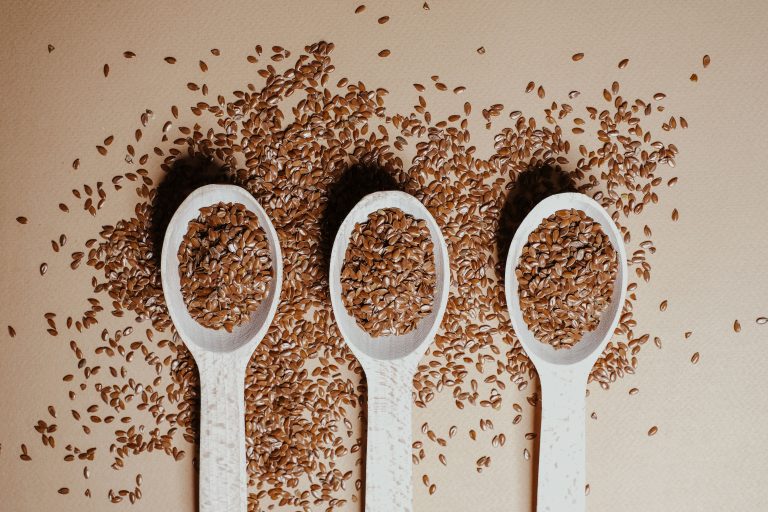
The cloth of Egyptian mummies — mucilage fiber, lignans (SDG → enterolignans), and plant ω-3 in a single seed; six times stronger when ground.
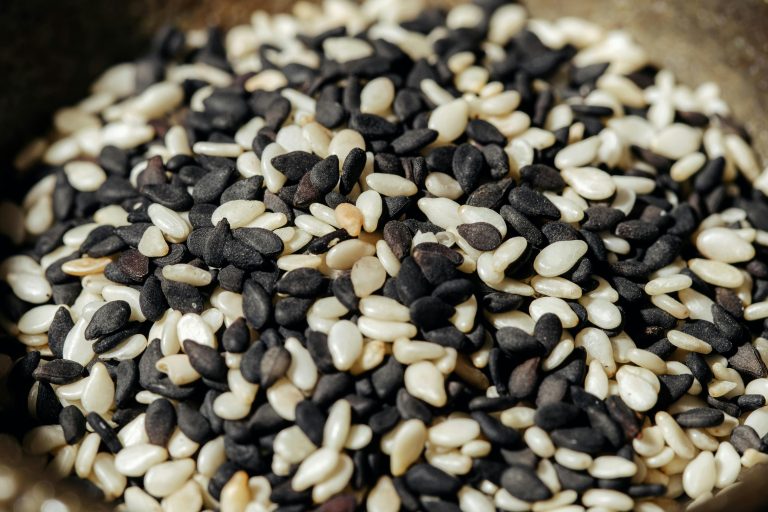
Drink of Assyrian gods — sesamin lignans, high calcium, and the unmatched bioavailability of tahini (ground paste).
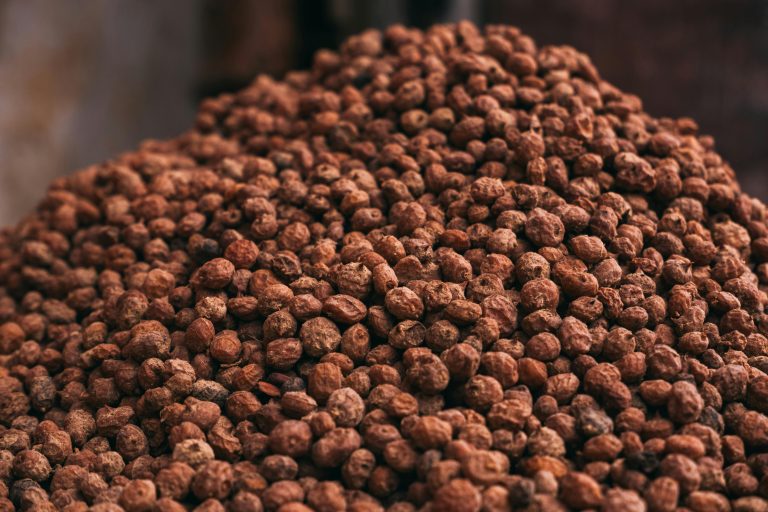
The bowl of early humans — staple diet of Paranthropus boisei and the tuber behind Valencian horchata; gluten-free, RS-rich, FODMAP-green.
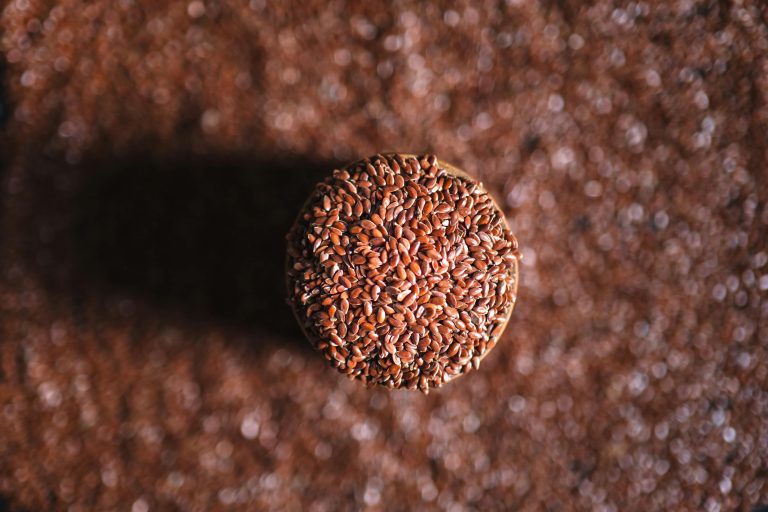
The whole seed — not just the purified husk: viscous fiber, weak fermentation, and HMPC-approved bowel support in a "flea-shaped" seed.
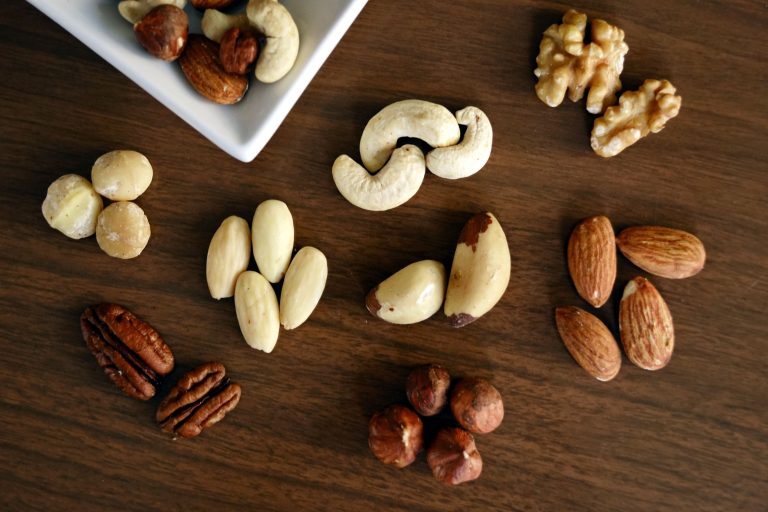
The selenium bomb — 1–2 nuts cover the entire daily requirement; the superstar of the thyroid and the antioxidant system.
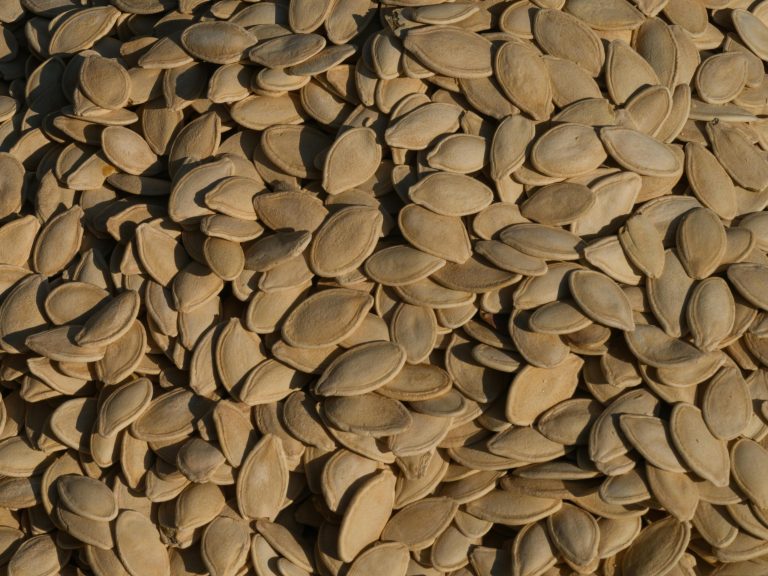
The magnesium-zinc combo — phytosterols for the prostate and the cucurbitin-based antiparasitic tradition.
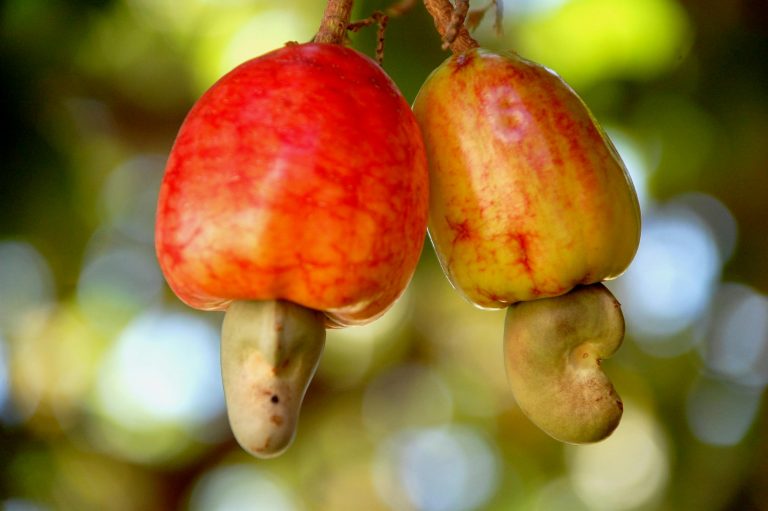
The Amazon's magical "apple" — high magnesium, MUFA-dominant fat profile, and creamy texture for plant pastes.
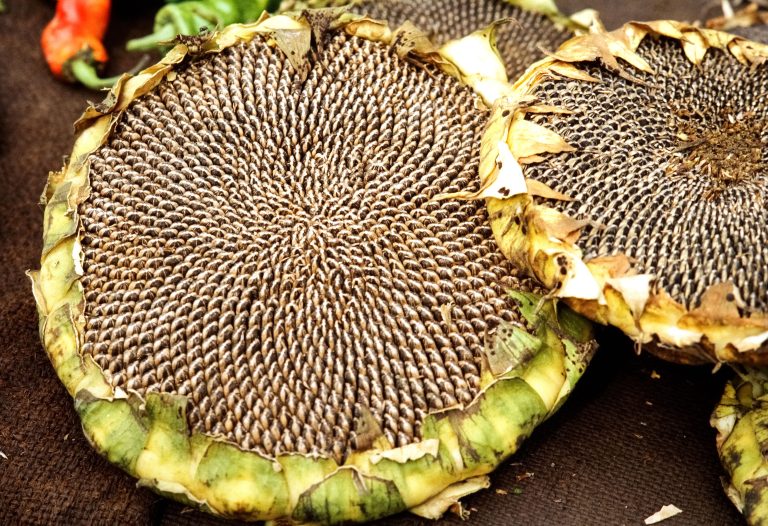
The tiny treasure of the sun-tracker — alpha-tocopherol bomb, selenium source, and an affordable Mediterranean-style
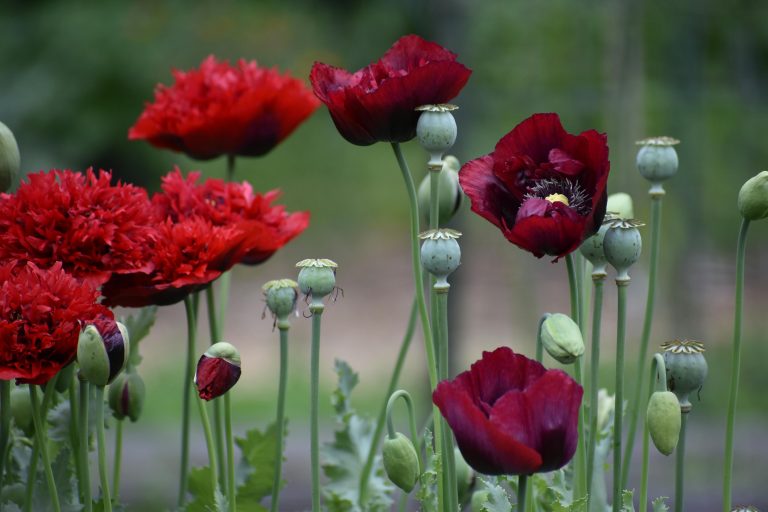
The ancient oilseed of Hungarian cuisine — high calcium bioavailability, mild fat profile, and tiny opiate-alkaloid