


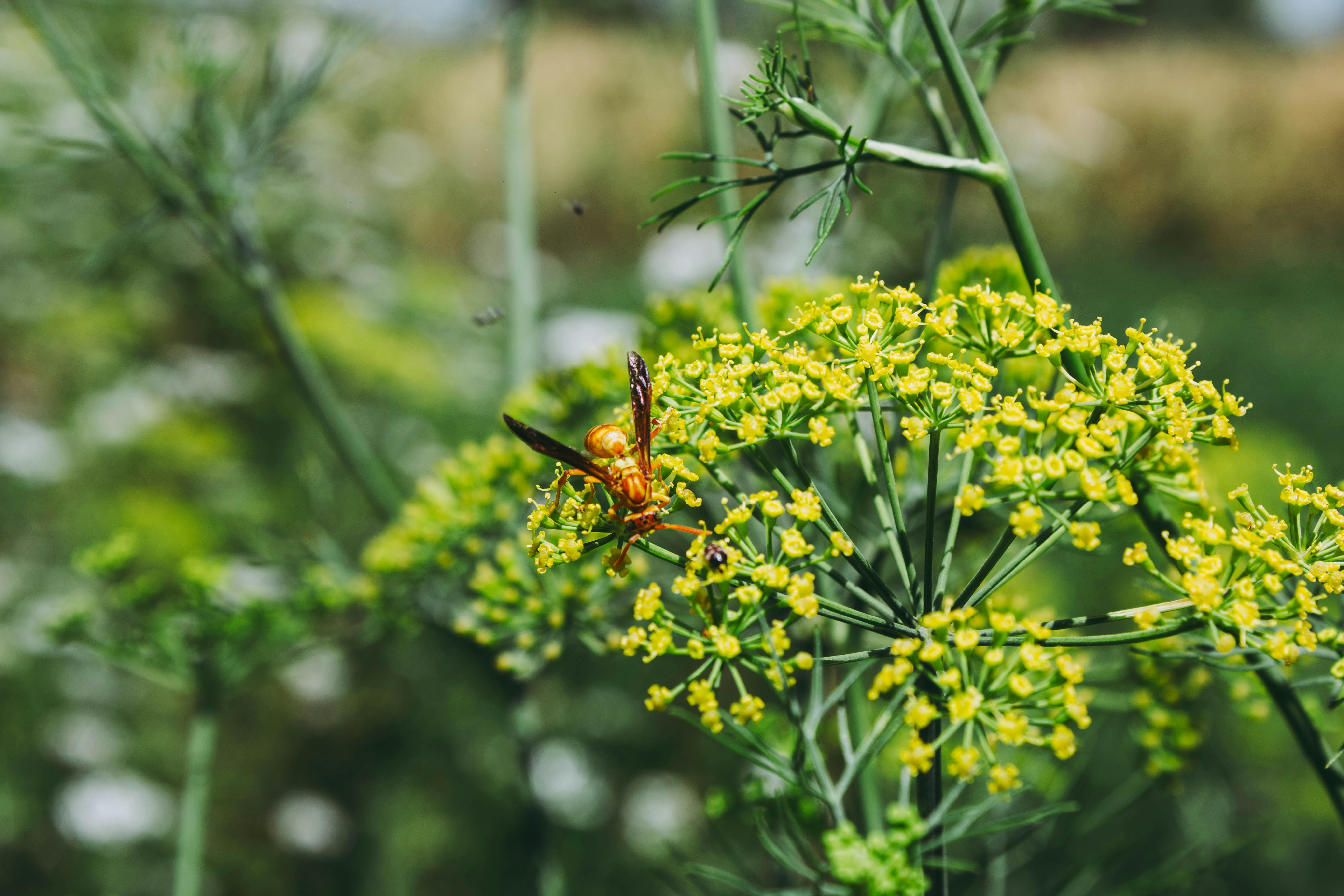
Black cumin (Nigella sativa)
Nigella sativa — thymoquinone, "for everything except death," and the reality of meta-analyses.
In 1 minute
What does it provide? Thymoquinone (its most researched bioactive), nigellone, thymohydroquinone, and thymol — antioxidant, anti-inflammatory, glycemic, blood-pressure-lowering, and antimicrobial.
How much? In the kitchen, 1–3 g of dried seed/day. In clinical RCTs, 1–3 g of powder or 1–5 ml of cold-pressed black cumin oil/day.
When to avoid? In pregnancy as a high-dose extract (abortion potential in animal experiments), alongside anticoagulants in high doses, alongside hypotensive agents as a high-dose extract.
Black cumin (Nigella sativa, "black seed," "habbah sawda") is one of Islamic medicine's most important herbs — according to the saying of the Prophet Muhammad, "the black seed is a remedy for every disease except death" (Sahih al-Bukhari, 7:71:592). Black cumin seeds have also been recovered from Tutankhamun's tomb (1325 BCE); Hippocrates mentions it as "melanthion," and Dioscorides gave it a detailed pharmacopoeia description. Avicenna recommended it in the classic "Canon" for digestive and respiratory complaints.
Modern clinical interest began at the end of the 20th century, when el-Dakhakhny isolated the main bioactive, thymoquinone, in 1965. In the past 30 years, more than 800 human and animal experimental publications have appeared on it — black cumin is one of the most intensively researched "classic" herbs. The 2010s brought the meta-analyses: according to the Daryabeygi-Khotbehsara 2017 NAFLD meta, black cumin oil significantly reduces liver enzymes; according to the Sahebkar 2016 blood-pressure meta, 2 g/day of powder moderately (−3–5 mmHg) reduces SBP/DBP; according to the Heshmati 2014 T2D meta, it also moderates HbA1c and fasting blood glucose. The evidence has rare breadth and depth among spices. **(J Funct Foods, J Ethnopharmacol)
🔬 Scientific Background
Black cumin's main bioactive is thymoquinone (TQ, 30–60% of the essential oil), supplemented by dithymoquinone, thymohydroquinone, thymol, p-cymene, and α-pinene components. TQ is a strong antioxidant (Nrf2 induction), NF-κB inhibitor, and acts on numerous signaling pathways — apoptosis promoter, antiproliferative, and immunomodulator.
Clinical evidence is among the most extensive of spices. Blood pressure: per Sahebkar 2016 meta, 2 g/day of powder over 8 weeks reduces SBP by −3.3 and DBP by −2.8 mmHg (stage 1 hypertension, not monotherapy). Glycemia: per Heshmati 2015 T2D meta, HbA1c −0.7% and fasting blood glucose −17 mg/dL attenuation at 2 g/day. Lipids: per Daryabeygi 2018 NAFLD meta, LDL and triglyceride moderately decrease, HDL increases. Asthma: per Salem 2017 RCT meta, 1 g/day of oil over 12 weeks produced moderate lung function improvement and Asthma Control Score reduction.
Allergic rhinitis: Nikakhlagh 2011 placebo-controlled RCT, 2 ml/day of oil over 6 weeks significantly reduced symptoms.
At the microbiome level, animal experiments and small human pilots show moderate Lactobacillus and Bifidobacterium enrichment; the immunomodulatory effect also indirectly improves the Treg/Th17 balance.
Safety: well tolerated at culinary and clinical doses (≤ 3 g/day powder or 5 ml oil); at high doses, rash, GI irritation, and rarely dermatitis occur. In pregnancy, high-dose supplementation is to be avoided — abortion and uterotonic effects have been described in animal experiments.
- + Honey: classic "nigella seed + honey" Islamic tradition — flavor and asthma-support synergy.
- + Olive, coconut, ghee (fat matrix): TQ is fat-soluble, bioavailability increases.
- + Yogurt, kefir: synbiotic pattern.
- + Meat marinade, salad dressing: flavor depth + synergistic polyphenol matrix.
- + Cumin seed, coriander, cardamom: classic Middle Eastern and Indian synergy.
- + Biblical/Middle Eastern bread: "nigella-seed" pita, lavash — classic surface sprinkle.
- Anticoagulants (warfarin, DOAC, aspirin) + high-dose extract: additive bleeding risk.
- Antihypertensives + high-dose oil: additive hypotension, monitoring.
- Diabetic medications + high-dose extract: additive hypoglycemia.
- CYP3A4 substrates + high-dose TQ: theoretical drug-level disturbance.
- High-temperature, sustained cooking: essential oil evaporates, TQ loss.
- Infant, small child in concentrated oil form internally: to be avoided.
- Pregnancy (high dose): abortion/uterotonic effects in animal experiments.
- Coagulation disorder, anticoagulant therapy: high-dose supplement to be avoided.
- Severe hypotension predisposition: high-dose oil to be avoided.
- Severe liver disease: high-dose supplement with caution.
- Planned surgery within 2 weeks: stop high-dose supplement.
- Ranunculaceae allergy: rare but exists.
- Infant (< 2 years) topical oil: rare but described skin irritation.
- Active gastric ulcer: concentrated essential oil to be avoided.
Daily serving
1–3 g of dried seed (≈ 1 tsp) daily; or 1–5 ml of cold-pressed oil in the morning on an empty stomach, with honey.
Preparation pattern
- Whole seed: toast dry in a pan for 30–60 sec — aroma release.
- Sprinkle on top of pita, lavash before baking — classic Middle Eastern pattern.
- Oil in the morning on an empty stomach with honey (1 tsp oil + 1 tsp honey).
- Into yogurt, salad dressing directly before consumption.
Classic patterns
Pita / lavash: bread dough + surface sprinkle of nigella seed before baking.
Islamic tradition: ½ tsp black cumin oil + 1 tsp honey in the morning on an empty stomach.
Salad dressing: olive oil + lemon + ½ tsp nigella seed + salt.
Cheese accompaniment: black cumin seed on labneh or toasted on top of halloumi.
Storage and what to avoid
Storage: whole seed 2 years airtight, in a dark place; cold-pressed oil in the fridge for 6 months; after expiration, it may be rancid and TQ-poor.
What not to do: don't cook long at high heat (TQ degrades), don't arbitrarily combine clinical-dose oil with warfarin, don't give concentrated oil to an infant internally.
References
[1] Sahebkar A et al. The effect of Nigella sativa supplementation on blood pressure: a systematic review and meta-analysis. Phytother Res 2016;30(11):1736–1745.
[2] Heshmati J et al. Nigella sativa oil affects glucose metabolism and lipid concentrations in patients with T2DM: a meta-analysis. Food Res Int 2015;70:87–93.
[3] Daryabeygi-Khotbehsara R et al. Nigella sativa improves liver function and lipid profile in non-alcoholic fatty liver disease: a meta-analysis. Complement Ther Med 2018;38:81–88.
[4] Salem AM et al. Effect of Nigella sativa supplementation on lung function and inflammatory mediators in partly controlled asthma: a randomized controlled trial. Ann Saudi Med 2017;37(1):64–71.
[5] Nikakhlagh S et al. Herbal treatment of allergic rhinitis: the use of Nigella sativa. Am J Otolaryngol 2011;32(5):402–407.
[6] el-Dakhakhny M. Studies on the chemical constitution of Egyptian Nigella sativa L. Planta Med 1963.
[7] Tavakkoli A et al. Review on clinical trials of black seed (Nigella sativa) and its active constituent, thymoquinone. J Pharmacopuncture 2017;20(3):179–193.
[8] Koshak AE et al. Nigella sativa for the treatment of COVID-19: an open-label randomized controlled clinical trial. Complement Ther Med 2021;61:102769.