


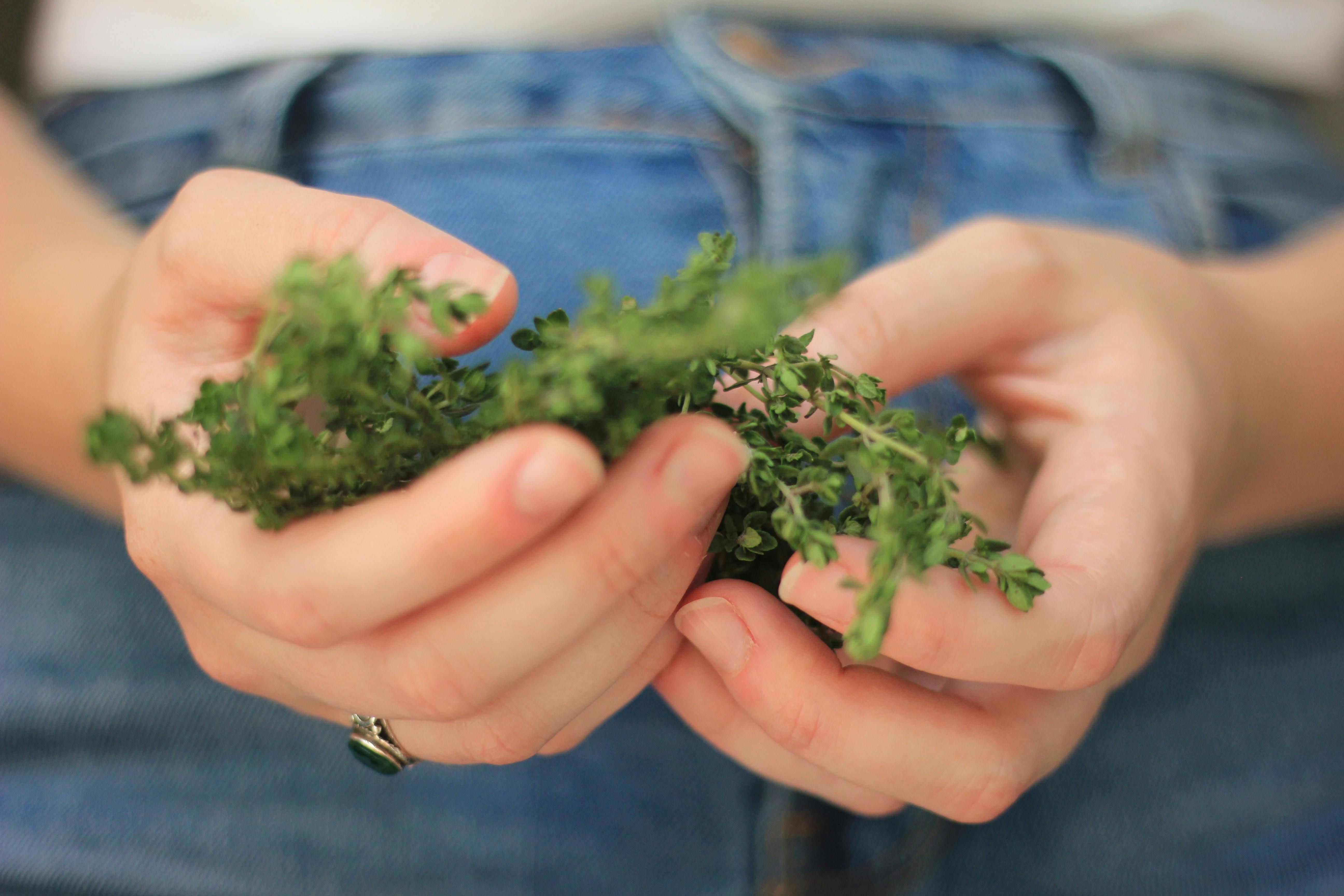
Fennel
The "little-bloat doctor" — anethole, phytoestrogenic character, and the science of infant gas relief.
In 1 minute
What does it provide? Anethole (essential oil 50–80% — weak phytoestrogen, carminative), fenchone (monoterpene ketone, characteristic "camphoraceous" aroma component), and estragole (≈ 2–8%, alkenyl benzene — genotoxic at high doses, EMA-restricted); the bulb is fiber + flavonoid. Carminative (gas-reducing), mild spasmolytic, digestion-supporting, and galactagogue (breast-milk supportive).
How much? In the kitchen, bulb 50–150 g, seed 1–3 g/day (≈ 1 tsp); in herbal-tea form, 2–3 g seed/200 ml water, 2–3×/day (EMA).
When to avoid? Estrogen-sensitive tumor, high-dose essential oil in pregnancy, concentrated essential oil for infants, estragole sensitivity (potential mutagen at high doses).
Fennel is one of the most ancient herbs of the Mediterranean region — Hippocrates recommended it to breastfeeding mothers as a breast-milk support, and Pliny found it suitable for 22 different ailments, including snakebite. In Greek mythology, Prometheus stole fire from Olympus in a fennel stalk, which made fennel a symbol of knowledge and enlightenment. The name "marathon" also derives from this — fennel grew on the Marathon plain, and after the 490 BCE Athenian victory, the place received the name "fennel field."
In medieval European monastery gardens (Hildegard von Bingen, 12th century), fennel was one of the most frequently recommended herbs — for digestion, respiratory complaints, children's abdominal bloating. The Italian "finocchio" ("fascist-meaning street slang") developed during the Renaissance on the same botanical basis: Florence fennel (Foeniculum vulgare var. azoricum) is a fleshier-bulbed, less strongly aromatic variant. Modern phytochemical analysis identified anethole in the 1800s — interestingly, the same essential oil that is also the main component in anise and star anise. Anethole shows weak phytoestrogen-like effects, which explains the traditional "breast-milk supportive" and "menstruation-regulating" use. The EMA/HMPC monograph also confirmed dyspepsia and cough-support use in children over 4 years of age. **(EMA/HMPC 2008, J Ethnopharmacol)
🔬 Scientific Background
Fennel seed essential oil is 50–80% anethole-dominant, with 5–15% fenchone and 2–8% estragole composition. Anethole has weak phytoestrogen effects (dianethole formed by anethole dimerization binds to the hormone receptor), as well as carminative, spasmolytic, and mild anti-inflammatory effects.
Clinical evidence most robustly supports the carminative tradition: per EMA/HMPC monograph, indications for adults and children over 4 years include functional dyspepsia, bloating, and catarrh support. For infant colic, fennel-seed tea (2–3 g/day, in small portions) is traditionally used — small pilots (Alexandrovich 2003) showed significant reduction in crying time.
Galactagogue (breast-milk supportive) tradition: fennel tea for breastfeeding mothers via the phytoestrogen effect is classic, but randomized evidence is limited; several small pilots are positive, no large RCT.
Estragole toxicity: according to EMA's 2008 assessment, estragole at high doses is genotoxic and a potential carcinogen in animal models — therefore long use of high-dose supplements is to be avoided, and concentrated essential oil is not recommended for infants (European regulation restricts under 4 years).
Florence fennel bulb (fresh) is rich in vitamin C, vitamin K, and potassium; from a FODMAP standpoint, moderately fructan-containing.
At the microbiome level, fennel seed's fiber fraction + polyphenols support Bifidobacterium enrichment; anethole has antimicrobial activity against opportunistic pathogens in vitro.
- + Anise, star anise (anethole synergy): classic digestion-supporting tea mix.
- + Caraway (Carum carvi): classic "four anti-bloating seeds" (fennel + anise + caraway + cumin).
- + Fish (salmon, sea fish): classic Mediterranean synergy.
- + Olive oil, lemon: bulb fresh in salad.
- + Yogurt, kefir: synbiotic pattern.
- + Nut-like seeds (pumpkin seed, sunflower seed): flavor harmony on salad.
- Estrogen-containing medications (HRT, contraceptive) + high-dose extract: theoretical hormonal interaction.
- Tamoxifen + high-dose fennel supplement: estrogen-like effect may counter treatment intent.
- Anticoagulant + high-dose extract: theoretical bleeding risk.
- Long simmer (45+ min at high heat): essential oil evaporates.
- Concentrated essential oil for infants: to be avoided (estragole).
- High-dose supplement chronically (6+ months): estragole toxicity risk.
- Estrogen-sensitive tumor (breast cancer, endometrial, ovarian cancer): high-dose supplement to be avoided.
- Endometriosis, breast cancer family history: caution at high doses.
- Pregnancy (high-dose essential oil): uterine-stimulating potential.
- Infant < 4 years concentrated essential oil: EMA restricts.
- Apiaceae allergy: cross-reaction.
- Active gastric ulcer: concentrated essential oil irritates.
- Severe liver disease: high-dose extract with caution.
- FODMAP elimination phase: bulb to be avoided (fructan).
Daily serving
Bulb 50–150 g fresh, seed 1–3 g (≈ 1 tsp) daily; tea 2–3 g crushed seed/200 ml water, 2–3×/day (EMA).
Preparation pattern
- Bulb: clean, slice thinly, rub with lemon juice (prevents browning).
- Raw on salad fresh, or 15–20 min short bake/steam.
- Seed: dry-pan toasted for 30 sec to enhance aroma.
- Tea: crushed seed + 200 ml hot water, 10 min steep under a lid.
Classic patterns
Italian finocchio gratinato: bulb + olive oil + Parmesan + bake.
Mediterranean fish marinade: salmon + fennel seed + lemon + olive oil + dill.
Indian mukhwas: toasted fennel seed + sugar + coconut + cardamom — post-meal mouth freshener.
Central European baby tea (over 4 years): ½ tsp crushed seed + 200 ml hot water, 10 min, in small portions, short-term.
Storage and what to avoid
Storage: fresh bulb in the fridge for 1 week; whole seed 2 years airtight, in a dark place; ground seed loses aroma after 6 weeks.
What not to do: don't give concentrated essential oil to infants internally, don't combine clinical-dose supplements with tamoxifen, don't cook long at high heat (essential oil evaporates).
References
[1] EMA/HMPC. European Union herbal monograph on Foeniculum vulgare Miller subsp. vulgare var. dulce. 2008 (rev. 2013).
[2] Alexandrovich I et al. The effect of fennel (Foeniculum vulgare) seed oil emulsion in infantile colic: a randomized placebo-controlled study. Altern Ther Health Med 2003;9(4):58–61.
[3] Picon PD et al. Randomized clinical trial of a phytotherapic compound containing Pimpinella anisum, Foeniculum vulgare, Sambucus nigra, and Cassia augustifolia for chronic constipation. BMC Complement Altern Med 2010;10:17.
[4] EFSA. Compendium of botanicals reported to contain naturally occurring substances of possible concern for human health (estragole). EFSA Journal 2012.
[5] Badgujar SB et al. Foeniculum vulgare Mill: a review of its botany, phytochemistry, pharmacology, contemporary application, and toxicology. Biomed Res Int 2014;2014:842674.
[6] Ghazanfarpour M et al. Effect of fennel on vasomotor symptoms in postmenopausal women: a meta-analysis. Menopause 2017;24(9):1017–1021.
[7] Sahraei R et al. The effect of fennel on IBS symptoms — pilot RCT. J Herb Med 2020.