


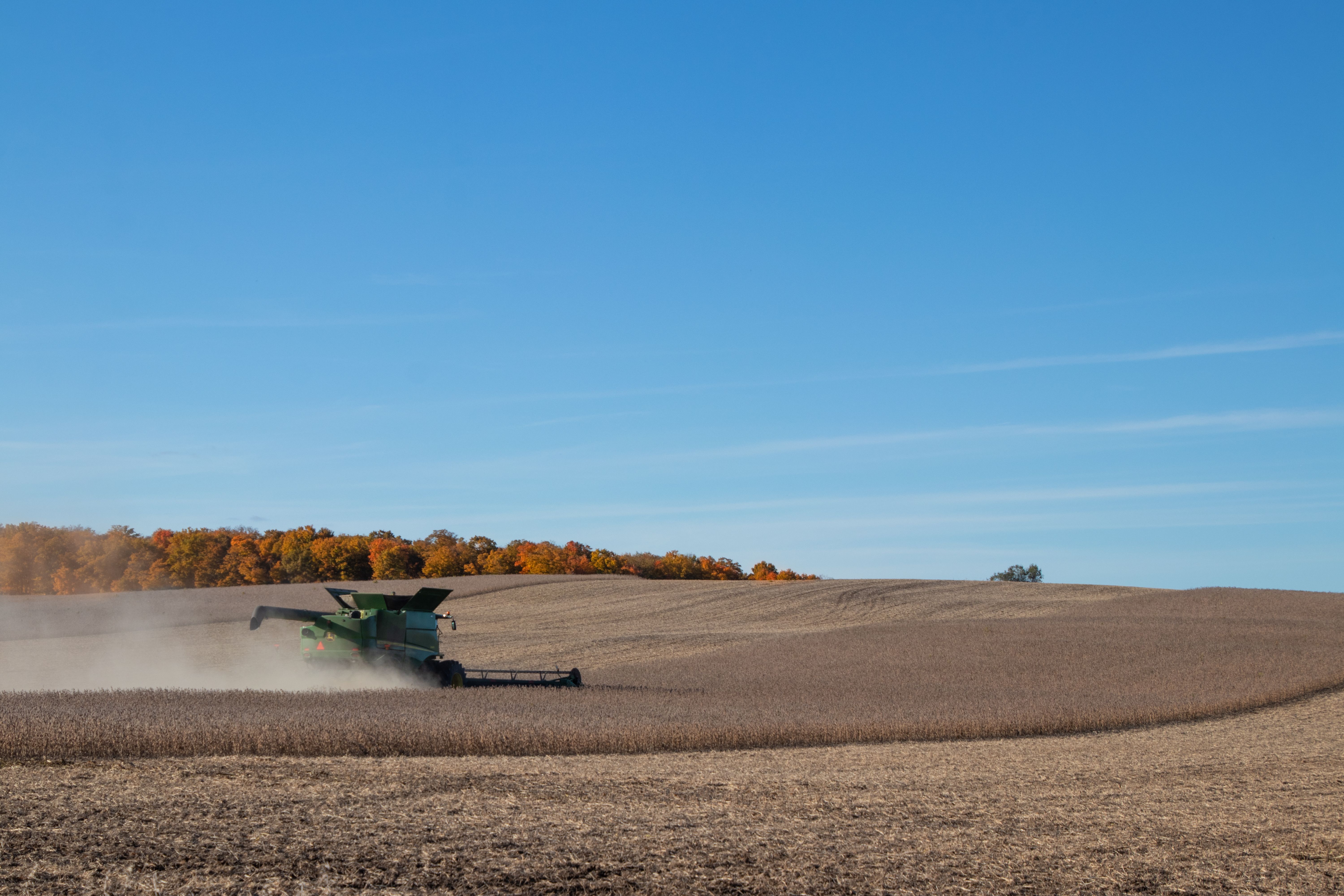
Soybean
King of the isoflavone matrix — complete plant protein, phytoestrogen, and equol precursor in a single bean.
Soybean in 1 minute
What does it provide? Complete plant protein (≈ 36 g/100 g dry — the only legume containing all essential amino acids in optimal ratios, PDCAAS = 1.0), isoflavones (genistein, daidzein, glycitein — ≈ 100–200 mg/100 g dry, phytoestrogen), lecithin (phosphatidylcholine source), calcium (≈ 277 mg/100 g dry), and vitamin K2 precursor (in fermented forms). Gut bacteria convert isoflavone glycosides to aglycones, and some (about 25–50% of the population) further to equol — the most potent estrogen-receptor-beta agonist.
How much? Weekly 3–5×, 80–120 g tofu/tempeh, 200–250 ml soy milk, or ½ cup cooked soybeans per serving. In menopausal RCTs, 50–100 mg isoflavone/day (≈ 100 g tofu or 250 ml soy milk) reduces hot flashes and mitigates osteoporosis.
When to avoid? Soy allergy (one of the most common in childhood), active estrogen-dependent cancer (breast cancer — disputed, see Myths), hypothyroidism on unstable levothyroxine dose (absorption interference — ≥ 4 hour separation), severe kidney stones (moderate oxalate), warfarin (vitamin K), infant (soy formula only if indicated), GMO sensitivity may prefer organically grown soy.
Soybean is an ancient East Asian domesticate — cultivation began in China around the 11th century BCE, and it became one of the "wu gu" (five sacred grains) by the Han dynasty. Early records suggest Chinese monks discovered tofu-making in the 2nd century BCE, when they accidentally coagulated soy milk with sea salt (nigari, calcium-magnesium chloride). Tempeh was born on the Indonesian island of Java in the 17th–18th century, via Rhizopus oligosporus fungal fermentation. Soy arrived in Europe in the 17th century — brought back from Japan by German traveler Engelbert Kaempfer. From the mid-20th century, the USA became the world's largest soy producer; today about 80% of global production is GMO soy, mostly for feed and the oil industry. For human consumption, fermented forms (tempeh, miso, natto) and tofu/soy milk dominate.
Scientific Background
Soybean offers four clinically documented bioactive groups. (1) Complete plant protein: PDCAAS = 1.0 (the highest plant value), methionine slightly limiting, but practically every essential amino acid is covered. Sacks et al. (2006) Circulation AHA position: daily 25 g soy protein gives ≈ 3–4% LDL reduction.
(2) Isoflavones (genistein, daidzein, glycitein): phytoestrogens with selective estrogen-receptor-beta affinity. Gut bacteria hydrolyze isoflavone glycosides to aglycones, then about 25–50% of the population (equol-producer metabotype, mainly Asian populations) converts some daidzein to S-equol — the most potent ER-β agonist. Equol-converting taxa include Adlercreutzia equolifaciens, Slackia isoflavoniconvertens, Eggerthella spp. (Setchell 2010 J Nutr). Clinically, a meta-analysis of menopausal hot-flash trials (Taku 2012 Menopause) showed significant symptom reduction at 50–100 mg isoflavone intake/day; for bone, Wei (2012 Asian Pac J Trop Med) reports improvement in lumbar spine BMD in postmenopausal women.
(3) Lecithin and phospholipids: phosphatidylcholine source, liver and cognitive support (limited clinical evidence).
(4) Anti-nutrients and prebiotic fiber: soybean contains phytate (≈ 1–1.5 g/100 g), trypsin inhibitors (inactivated by heat treatment), and GOSs (raffinose, stachyose — Bifidobacterium substrate, but gas-forming in IBS-sensitive individuals).
At the microbiome level, soy isoflavone conversion is individual — the "equol-producer" microbiome phenotype yields 5–10× greater clinical effect from the same soy intake than the non-producer. Regular soy consumption may increase the share of converter taxa.
- + Fermented forms (tempeh, miso, natto): partly pre-converted isoflavone aglycone → better bioavailability, microbiome synergy.
- + Whole grain (brown rice, buckwheat, millet): classic Asian pattern, complementary amino acid profile + broader fiber spectrum.
- + Sea vegetable (nori, wakame): iodine supplement against goitrogen concern.
- + Small portion of fermented dairy or kefir (as separate meal): microbiome diversity supports equol conversion.
- + Soaking + cooking (anti-nutrient reduction): phytate and trypsin inhibitor are significantly reduced.
- + Olive oil, sesame oil: fat for fat-soluble vitamins.
- Levothyroxine (Euthyrox) simultaneous intake: soy reduces hormone absorption — keep > 4 hours apart.
- Raw or insufficiently cooked soybean: trypsin inhibitors and lectins — GI irritation. Minimum 30+ minutes of boiling or pressure cooking.
- Iron supplement in the same time window: phytate chelation — separate by ≥ 2 hours.
- Soy allergy: strict avoidance (one of the seven most common childhood allergens).
- Hypothyroidism with unstable thyroid hormone replacement: safe at a stable dose, but time separation is critical.
- Estrogen-dependent cancers (breast cancer) during active treatment: approach conservatively — several newer meta-analyses (Chen 2014, Wu 2008) show moderate soy intake does NOT raise risk, and in Asian populations is protective; daidzein does not impair tamoxifen efficacy. Individual oncology consultation recommended.
- Kidney stones (moderate oxalate) and CKD 3–5: dose control.
- IBS elimination phase: whole soybean is high FODMAP — avoid, but tofu/tempeh tolerable.
- Infant: soy formula only if indicated, medical supervision required due to phytoestrogen concern.
- Setchell KD, Clerici C. Equol: history, chemistry, and formation. J Nutr 2010;140(7):1355S–1362S. https://pmc.ncbi.nlm.nih.gov/articles/PMC2884333/
- Taku K et al. Extracted or synthesized soybean isoflavones reduce menopausal hot flash frequency and severity: meta-analysis. Menopause 2012;19(7):776–790. https://pubmed.ncbi.nlm.nih.gov/22433977/
- Wu AH et al. Epidemiology of soy exposures and breast cancer risk. Br J Cancer 2008;98(1):9–14. https://www.nature.com/articles/6604145
- Chen M et al. Association between soy isoflavone intake and breast cancer risk for pre- and post-menopausal women: a meta-analysis. PLoS One 2014;9(2):e89288. https://journals.plos.org/plosone/article?id=10.1371/journal.pone.0089288
- Sacks FM et al. Soy protein, isoflavones, and cardiovascular health: AHA science advisory. Circulation 2006;113:1034–1044. https://pubmed.ncbi.nlm.nih.gov/16418439/
- Wei P et al. Systematic review of soy isoflavone supplements on osteoporosis in women. Asian Pac J Trop Med 2012;5(3):243–248. https://pubmed.ncbi.nlm.nih.gov/22305793/
- Hamilton-Reeves JM et al. Clinical studies show no effects of soy protein or isoflavones on reproductive hormones in men: results of a meta-analysis. Fertil Steril 2010;94(3):997–1007. https://pubmed.ncbi.nlm.nih.gov/19524224/
- USDA FoodData Central — Soybeans, mature seeds. https://fdc.nal.usda.gov/
- Monash University. Soy products — FODMAP serving guidance. https://www.monashfodmap.com/about-fodmap-and-ibs/high-and-low-fodmap-foods/