


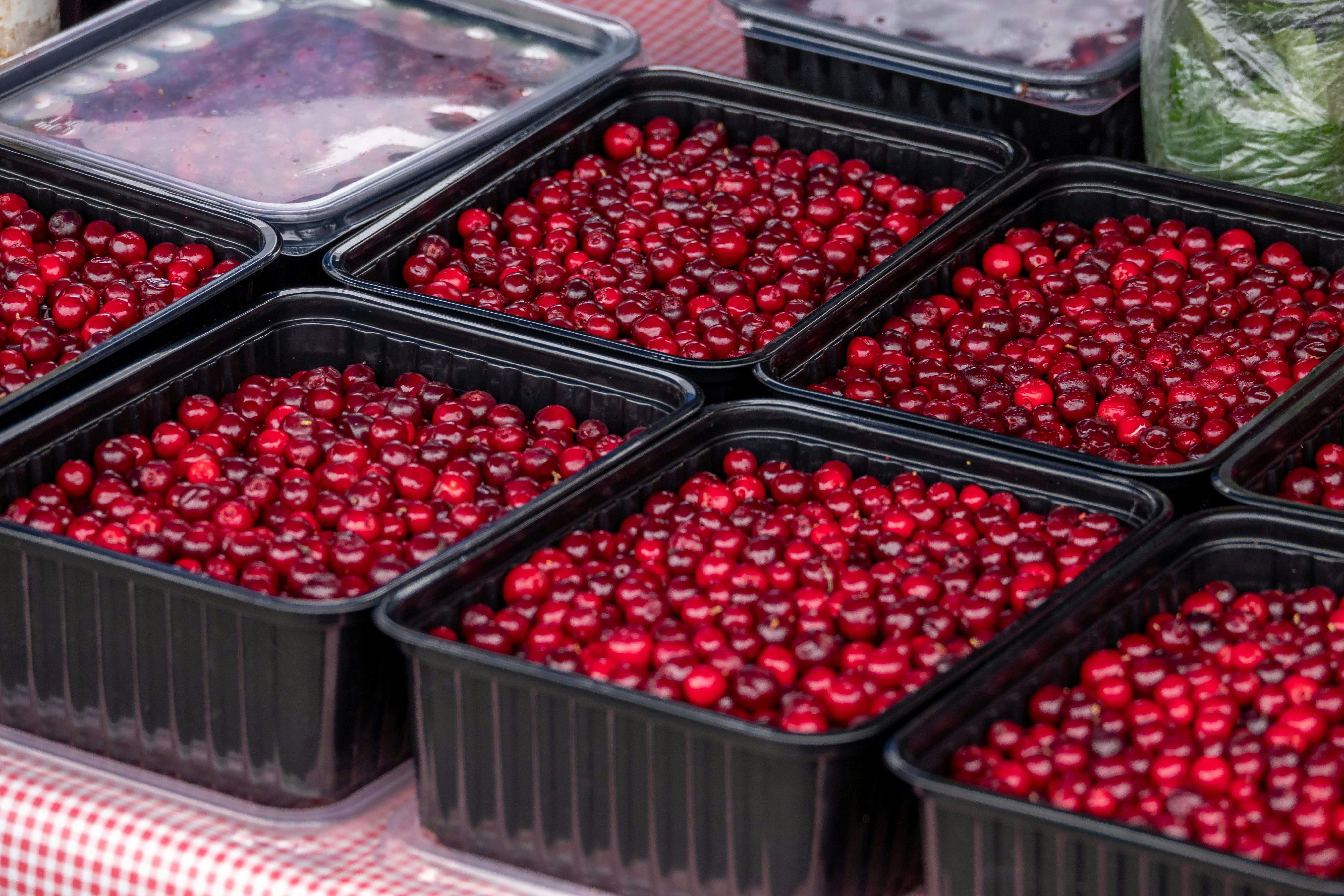
Cranberry
PAC-A2 proanthocyanidin — urinary tract infection prevention with evidence, NOT a diabetes cure-all.
In 1 minute
What does it provide? A-type proanthocyanidins (PAC-A2 — A-type linked proanthocyanidin dimer, the main inhibitor of uropathogenic E. coli FimH adhesion), anthocyanins (cyanidin-3-galactoside, peonidin), quercetin, ursolic acid, fiber — well-documented indication for urinary tract infection prevention.
How much? For UTI prevention: 36–72 mg PAC-A2/day (about 240–300 ml 100% cranberry juice cocktail or 500 mg standardized extract). Culinary cranberry serving weekly.
When to avoid? Chronic warfarin use (documented INR-increasing effect); active kidney stones (oxalate content); do not expect clinical blood sugar effect in diabetes (insufficient evidence for a DM indication).
Cranberry is a native treasure of North America: indigenous peoples — Wampanoag, Lenape, Cree — gathered it from cranberry bogs under names like "pakim," "atoqua," "sasamanesh" for millennia before contact. They ate it fresh, dried it for winter storage, and mixed it into pemmican (dried meat + fat + berry) for long hunts. In 1620, during the Plymouth Colony's first winter, the Wampanoag of Cape Cod introduced cranberry to the Mayflower pilgrims, and it remains a traditional companion on the Thanksgiving table to this day.
Cranberry's medical career began in the 1920s, when empirical observations of moderated urinary complaints emerged. In the 1980s, Anthony Sobota (Youngstown State University) isolated the effect: cranberry proanthocyanidins (PAC) — particularly the A-type dimer-linked ones — inhibit uropathogenic E. coli FimH adhesion to the bladder epithelium. In the 21st century, alongside classic "cranberry juice," standardized PAC extracts and capsule forms have spread. The 2024 Cochrane update confirmed the UTI prevention indication, particularly in women and children suffering from recurrent cystitis.
🔬 Scientific Background
Cranberry's bioactive matrix is unusual: the main active compound is the proanthocyanidin-A2 dimer linkage (PAC-A2), unique in the plant kingdom to Vaccinium macrocarpon (and a few other species in small amounts). This structure specifically inhibits the FimH-pili adhesion of uropathogenic E. coli (UPEC) to bladder uroplakin receptors — meaning bacteria cannot anchor and are flushed out with the urine.
The most robust clinical human evidence area is recurrent urinary tract infection (rUTI) prevention: the Cochrane 2024 update (Williams 2024) analyzed more than 50 RCTs and found significant rUTI reduction in women (RR 0.70), children (RR 0.46), and catheter-assisted adults. Dose: 36–72 mg PAC-A2/day for at least 3 months. Hisano 2012 (Clinics, São Paulo) meta-analysis showed a similar result — cranberry supplementation is effective in recurrent UTI prevention in young women. "PAC content" standardization is critical — there is huge variation among commercial products.
At the microbiome level, the Bekiares 2018 human RCT showed 8 weeks of cranberry extract → Akkermansia muciniphila elevation. Anthocyanin and pomace fractions are fermentable, SCFA-generating.
AGAINST CRITICAL MISCONCEPTIONS: - Cranberry is NOT a diabetes-targeted product. The commercial "cranberry juice cocktail" is 30–50% added sugar — a concentrated glucose bomb. 100% cranberry juice is naturally acidic and barely sweet. - Cranberry is NOT an antibiotic. In acute UTI, cranberry does NOT replace antibiotics — only prevention. - Cranberry is NOT a kidney stone preventer. Quite the opposite: due to its oxalate content, it should be avoided by those prone to calcium-oxalate stones.
- + Generous water intake: hydration is key for UTI prevention.
- + Probiotic lactobacillus (yogurt, kefir, suppository): synergistic cystitis prevention.
- + D-mannose (FimH block): clinical combination for UTI prevention.
- + Yogurt: synbiotic breakfast.
- + Oat β-glucan: broader fermentation profile.
- + Olive oil: fat aids anthocyanin and carotenoid absorption.
- Chronic warfarin use: documented INR-increasing interaction (clinical cases reported) — medical consultation.
- Sweetened cranberry syrup, "juice cocktail": concentrated added sugar — not a prevention form.
- Active acute UTI without antibiotics: cranberry does NOT treat acute infection.
- Aspirin/NSAID + high-dose cranberry extract: salicylate additivity (minor clinical significance).
- Kidney stone history (calcium oxalate): due to oxalate content.
- Nystatin antifungal: in vitro minor interaction signal (minor clinical relevance).
- Chronic warfarin use: clinical bleeding cases reported; only under medical supervision.
- Kidney stone history, calcium-oxalate risk: high oxalate content — to be avoided.
- Active acute UTI: must be treated with antibiotics, not cranberry.
- Diabetes: sweetened "juice cocktail" prohibited: glycemic bomb. 100% juice in small portion is fine.
- Active aphthous stomatitis, dental sensitivity: acid content (pH ≈ 2.5).
- Aspirin sensitivity: moderate salicylate.
- Severe kidney failure: moderate potassium and oxalate.
- Acute peptic ulcer: acid may sting.
- Pregnancy/breastfeeding: dietary cranberry safe, supplement questionable (limited human data).
Daily serving
For UTI prevention: 36–72 mg PAC-A2/day — about 240–300 ml 100% cranberry juice or 500–1500 mg standardized extract. Culinary: several times a week in small amounts (hard to consume large portions due to acidity).
Preparation pattern
- Fresh cranberry: rare in stores, mainly in autumn/winter holidays. Wash, sort.
- Frozen: in smoothies, quick compote.
- 100% juice: daily serving for UTI prevention.
- Standardized extract (capsule/tablet): choose based on PAC-A2 content.
Classic patterns
Thanksgiving cranberry sauce: cranberry + water + orange juice + a little honey/maple — brief heat (10 minutes).
Breakfast muesli: oats + dried cranberry (unsweetened) + walnut + dried strawberry.
Smoothie: ½ cup cranberry + apple + spinach + lime + a little honey.
Creamy cranberry-orange dressing: lightly reduced, for yogurt or cottage cheese.
Salad topping: dried cranberry (unsweetened) + walnut + feta + spinach — autumn classic.
Storage
Fresh refrigerated 3–4 weeks (stores well!). Frozen (whole) 12+ months. Dried (sugar-free) 6–12 months. 100% juice refrigerated 7–10 days, frozen 6 months.
What not to do
Don't choose sweetened "juice cocktail" for prevention. Don't rely on cranberry for acute UTI treatment. Don't overdo it alongside warfarin. Don't push it if prone to kidney stones. Don't brush teeth immediately afterward (acid-sensitive enamel).
References
[1] Williams G et al. Cranberries for preventing urinary tract infections — Cochrane review update. Cochrane Database Syst Rev 2024;4:CD001321.
[2] Howell AB et al. A-type cranberry proanthocyanidins and uropathogenic bacterial anti-adhesion activity. Phytochemistry 2005;66(18):2281-2291.
[3] Bekiares N et al. Effect of sweetened dried cranberry consumption on urinary proteome and fecal microbiome in healthy human subjects. OMICS 2018;22(2):145-153.
[4] Sobota AE. Inhibition of bacterial adherence by cranberry juice: potential use for the treatment of urinary tract infections. J Urol 1984;131(5):1013-1016.
[5] Hisano M et al. Cranberries and lower urinary tract infection prevention. Clinics (Sao Paulo) 2012;67(6):661-668.
[6] Aston JL et al. Interaction between warfarin and cranberry juice. Pharmacotherapy 2006;26(9):1314-1319.
[7] Pappas E, Schaich KM. Phytochemicals of cranberries and cranberry products. Crit Rev Food Sci Nutr 2009;49(9):741-781.
[8] Liska DJ et al. Cranberries and urinary tract infections: how can the same evidence lead to conflicting advice? Adv Nutr 2016;7(3):498-506.
[9] FDA. Cranberry beverages and reduction of risk of recurrent urinary tract infections. Federal Register 2020;85.