


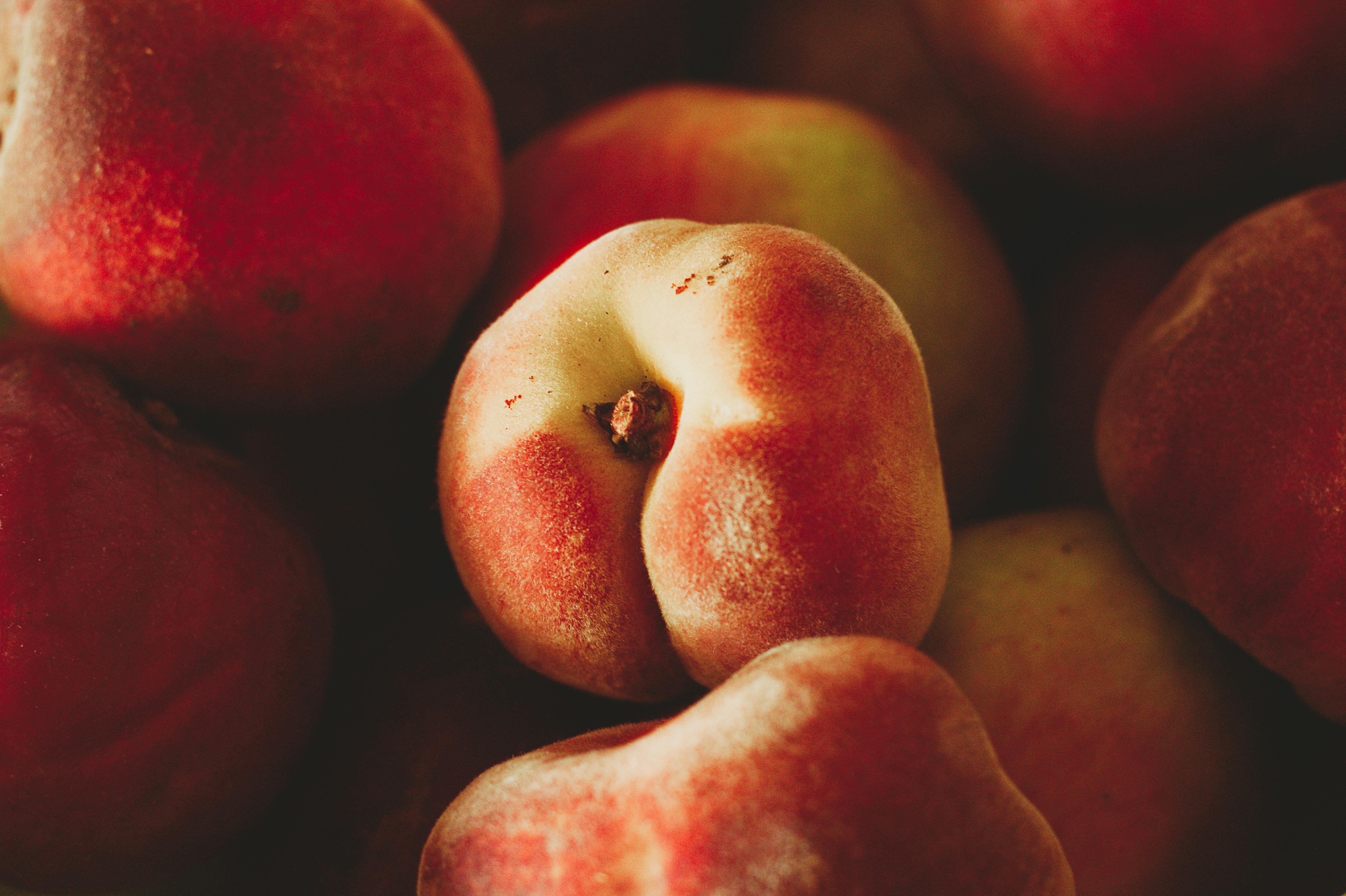
Peach
Persian origin — low glycemic index, polyphenol matrix, and the context of the Chinese symbol of immortality.
In 1 minute
What does it provide? Chlorogenic acid (glucose metabolism modulator, antioxidant), catechin, carotenoids, and pectin — a Mediterranean summer fruit with a low glycemic profile.
How much? In season 1–2 medium fruits (≈ 150 g) daily of fresh peach or nectarine. The Ranjbar 2018 RCT showed moderate flow-mediated dilation (FMD) improvement in prediabetics with 8 weeks of 300 g/day fresh peach.
When to avoid? IBS flare with polyol sensitivity; allergy to the Rosaceae family (oral allergy syndrome); severe kidney function impairment (potassium); don't chew the kernel — peach kernel prunasin (cyanogenic glycoside, amygdalin-related) releases hydrogen cyanide after chewing.
Peach originates from northern China (the Yangtze valley), where it has been cultivated for over 4000 years. In Chinese mythology, the fruits of the "heavenly peach tree" (蟠桃, pántao) ripen once every 3000 years and grant immortality — they grow in the garden of Xi Wang-mu, the Queen Mother of the West. The species reached Persia via the Silk Road and from there Europe, which is also the origin of its Latin name ("persica" = Persian). Nectarine is not a separate species but a recessive mutation of peach (no skin fuzz), stabilized as a commercial variety at the end of the 19th century.
In Hungary, peach grown on the Lake Balaton and Villány hillsides appeared in significant quantities from the late 19th century. Modern polyphenol research began in the 1990s — the Texas A&M Center for Plant Sciences in California (Cisneros-Zevallos and colleagues) studied for several years the link between chlorogenic acid content and metabolic syndrome in animal models, and from the 2010s the Italian CREA (Cefola, Pace and colleagues) researches the link between sensory quality and polyphenol stability. (Wikipedia, PMC)
🔬 Scientific Background
Peach has significant chlorogenic acid content (≈ 80–150 mg / 100 g fresh, cultivar-dependent), and this polyphenol is identical to the main bioactive component of coffee. Chlorogenic acid inhibits α-glucosidase in vitro, and in vivo (human crossover RCT, Olthof 2003) reduces postprandial glucose peak by 6%. Most chlorogenic acid is not absorbed in the small intestine but serves as a substrate for the colonic microbiome — there Lactobacillus and Bifidobacterium species hydrolyze it to caffeic acid and quinic acid, which exert systemic antioxidant effects. (PubMed)
Texas A&M's 2012 animal model (Noratto et al.) found improved insulin sensitivity, reduced LDL oxidation, and lower inflammation marker levels in rats with metabolic syndrome after 12 weeks of peach consumption. Human data are limited: the 2018 Iranian RCT (Ranjbar et al.) measured moderate FMD improvement in prediabetics with 8 weeks of 300 g/day fresh peach. (PMC)
Peach β-carotene and β-cryptoxanthin content is lower than apricot's (≈ 162 µg β-carotene / 100 g), but it is rich in β-cryptoxanthin — the latter is a bone metabolism protector and a mild osteoclast inhibitor. The 2011 Japanese Mikkabi Bone Health Study (Sugiura et al.), with 4 years of follow-up, measured that high β-cryptoxanthin intake significantly reduced osteoporosis risk in postmenopausal women. Peach is a noteworthy source of this. (PMC)
- + Yogurt / kefir for breakfast: milk protein stabilizes the carotenoids, lactic acid bacteria break down the chlorogenic acid.
- + Almond / walnut: fat matrix improves carotenoid bioavailability.
- + Mozzarella / burrata + basil: classic Italian summer salad, polyphenol + milk protein + omega-3.
- + Granola + flaxseed: fiber + omega-3 + polyphenol — complex breakfast.
- + Fresh basil and mint: essential oils and terpenoids complement the polyphenol matrix.
- + Dark chocolate (70%+) in dessert: flavanol + polyphenol + low-glycemic combination.
- Iron supplementation: chlorogenic acid chelates non-heme iron — time separation ≥ 2 hours.
- Coffee + large amount of peach within one meal: additive chlorogenic acid intake, stomach irritation in sensitive individuals — time separation.
- Laxative (lactulose, macrogol) + large peach serving: additive polyol-osmotic effect.
- Sugary cereal + peach: glycemic peak overrides the polyphenol matrix advantage.
- Kernels chewed in large amounts: peach kernel amygdalin/prunasin content is a cyanide precursor — never chew them up.
- MAOI antidepressants + strong tyrosine-rich diet combination: peach has moderate tyrosine content, generally not clinically relevant, but monitor in sensitive individuals.
- Rosaceae oral allergy syndrome (OAS): in birch-pollen allergy, cross-reactive oral itching to fresh peach — usually tolerable cooked or peeled.
- IBS-D, polyol sensitivity in flare: above ½ fruit/day significant bloating, diarrhea.
- Severe chronic kidney disease (GFR < 30): potassium content (190 mg / 100 g) is limiting.
- Active gastritis or reflux disease flare: acid content (pH 3.4–4.0) may provoke.
- Diabetes: fresh peach has low GI (≈ 28), safe. Syrupy compotes and jams to be avoided.
- Pregnancy: fresh peach recommended (folate, β-carotene). No special restriction.
- Prunasin sensitivity, deliberate chewing of the kernel: never — especially in children.
Daily serving: in season 1–2 medium fruits (≈ 150–200 g). Out of season frozen slices for smoothies.
Preparation:
1. Wash fresh peach in cold water with rubbing immediately before consumption.
2. Leave the skin on — 30–50% of the polyphenols are in the skin.
3. Grilling or roasting: 180 °C, 8–10 minutes — anthocyanins partly degrade, but chlorogenic acid is more stable. A caramelized version for dessert.
Classic patterns:
- Breakfast: plain yogurt + 1 sliced peach + 1 tbsp almond + 1 tbsp flaxseed + ½ tsp cinnamon.
- Side/salad: Italian summer salad — burrata + nectarine + basil + olive oil + balsamic vinegar.
- Sweet/dessert: grilled peach with honey and pistachio, with Greek yogurt.
- Smoothie: frozen peach + spinach + plant milk + ½ banana + 1 tbsp almond butter.
Storage: ripe peach refrigerated max. 3–5 days, ripen unripe at room temperature. Frozen (pitted, sliced) at –18 °C for 8–10 months. "Winter peach" is often syrupy compote — limited use due to added sugar.
What not to do: Never chew peach kernels. Don't overcook (≥ 80 °C, > 20 minutes) — anthocyanin loss. Don't store in plastic bags at room temperature (rapid molding).