


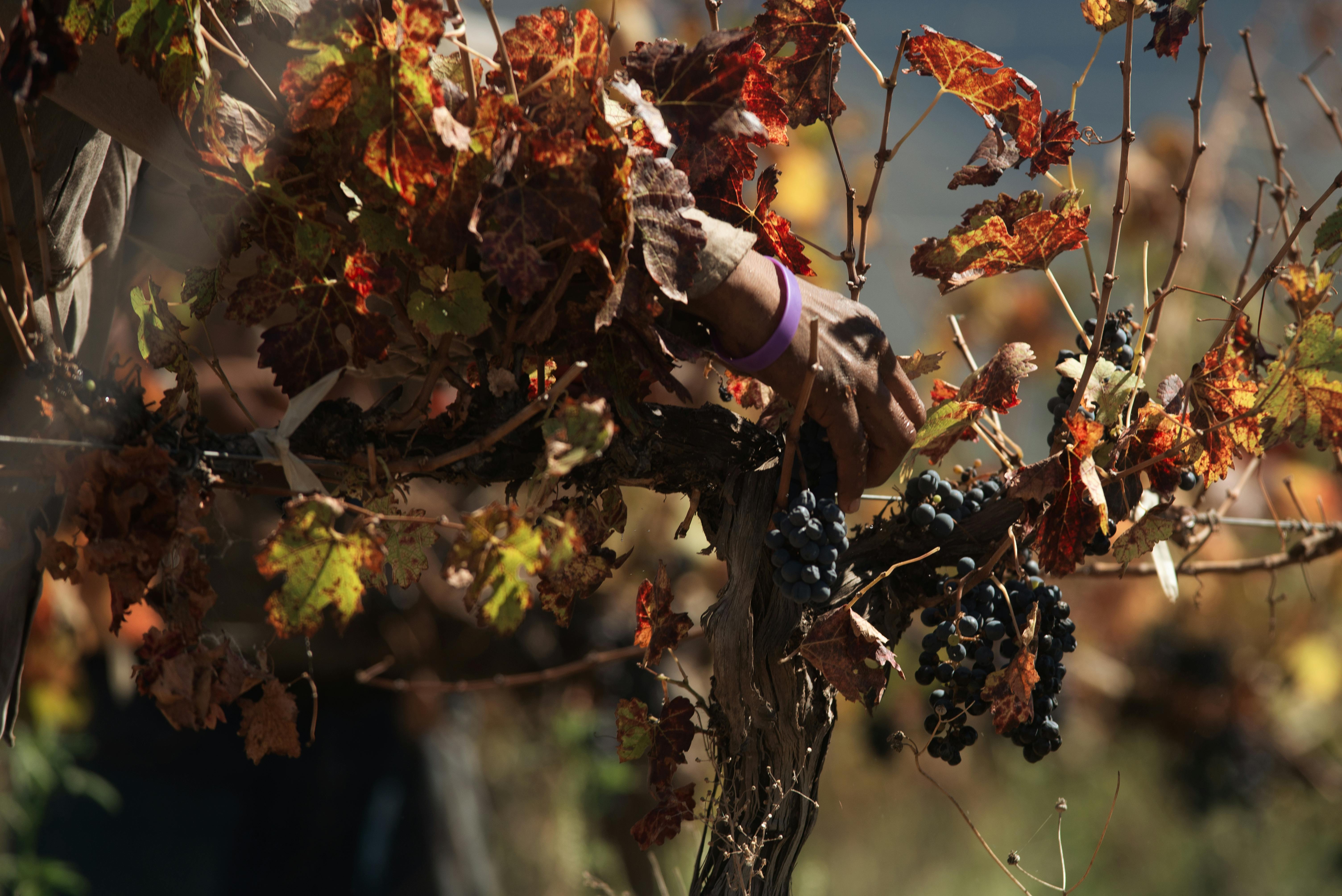
Grape
The polyphenol bomb of the Mediterranean paradox — a dialogue between skin, seed, and gut flora, even without alcohol.
In 1 minute
What does it provide? Anthocyanins (in the skin — red pigment, antioxidant) and proanthocyanidins (in the seed — OPC, vascular-wall-protective flavonoid group), in smaller amounts resveratrol (stilbene polyphenol). Gut bacteria convert these to phenolic acids, which raise the share of Bifidobacterium and Lactobacillus (Queipo-Ortuño 2012 RCT, also with dealcoholized wine) and improve insulin sensitivity.
How much? 1–2 handfuls/day (≈ 100–150 g) seeded grapes with skin. Alternative: 150 ml dealcoholized red wine with a meal. Whole grape powder RCT: 46 g/day (≈ 200 g fresh grapes) for 4 weeks.
When to avoid? IBS with fructose sensitivity (Monash 2024: 3 grapes is already high FODMAP), uncontrolled diabetes (GI 53–59 — only as part of a meal), sustained warfarin use with high-dose grape-seed OPC supplements (bleeding-enhancing effect, INR monitoring), high-dose resveratrol supplements with SSRIs (theoretical serotonin syndrome risk), infant < 4 years with whole grapes (choking hazard — halve them).
Grape is one of humanity's oldest companions: the domestication of Vitis vinifera is tied to the Caucasus–Near East region. The earliest wine stains were found on the inner walls of a Georgian settlement's clay "qvevri" vessels around 6000 BCE: chemical analyses detected tartrate, the unmistakable fingerprint of grape wine. The even older known central winery was Armenia's Areni-1 cave: a "winery" of presses, vats, and seeds from around 4100 BCE, which even preserved traces of fermentation.
The Greeks and Romans elevated grape to religious and civilizational status: the cult of Dionysus/Bacchus, the Roman "vindemia" (harvest) festival, the Falernian and Caecuban wines were all prestige goods of the era. Pliny details 91 varieties in a single chapter of the Naturalis Historia. In the Middle Ages, Benedictine and Cistercian monks became the preservers of viticulture: the Cistercians of Cîteaux in Burgundy already in the 12th century divided the hillsides into "clos" — stone-walled parcels — and the essence of this "terroir" approach lives on today. Hungary's Tokaj received the world's first official designation of origin in 1737. Until the modern era, grape (wine, raisin, must) remained defining across Eurasia, and the 20th-century "Mediterranean paradox" — low cardiovascular mortality despite the fat-rich French diet — brought the question of red wine and grape polyphenol into focus.
🔬 Scientific Background
Grape's polyphenol distribution is well mapped: the skin is rich in anthocyanins (malvidin, peonidin, delphinidin, cyanidin, petunidin glucosides), the seed is the stronghold of flavan-3-ols and proanthocyanidins (OPC, monomers like catechin/epicatechin), and the level of resveratrol (and mixed stilbenes) in the pulp depends on variety and growing site. Most polyphenols are not fully absorbed in the small intestine — once they reach the colon, the microbiota converts them to phenolic acids (3-hydroxyphenylpropionic acid, 4-hydroxybenzoic acid, hippuric acid), and these metabolites mediate the systemic effects.
The most robust pillars of human clinical evidence: (1) Queipo-Ortuño 2012 crossover RCT — red-wine polyphenols raised the share of Bifidobacterium, Lactobacillus, Bacteroides, and reduced the Clostridium histolyticum group, even with dealcoholized wine. (2) Sano 2007 human study — grape seed OPC 200 mg/day for 12 weeks significantly reduced carotid atheroma progression and oxidized LDL levels. (3) Yang 2021 human RCT — standard whole grape powder for 4 weeks → gut flora modulation + bile acid profile improvement. (4) Janssens 2017 RCT — a single 150 mg resveratrol dose did NOT affect satiety and appetite in healthy lean men — an early human data point of the "resveratrol paradox."
The "resveratrol paradox": worth clarifying that meaningful plasma levels of classic "red wine resveratrol" at health-relevant doses are unlikely — the small human dose (50–150 mg/day) is unreachable from grape, and high-dose isolated supplements (250–1000 mg) gave inconsistent results. The skin/seed polyphenol matrix is a more realistic source of effect.
- + Whole fruit > filtered juice: skin + seed provide the bulk of polyphenols and fiber.
- + Walnut, almond, olive oil: fat aids polyphenol absorption, Mediterranean synergy.
- + Yogurt, kefir: grape + live culture give a broader SCFA response.
- + Dealcoholized red wine: clinically validated polyphenol effect without alcohol side effects.
- + Prebiotic fiber (inulin/FOS, AXOS): polyphenol × fermentable fiber synergy.
- + Cheese-grape pairing (classic): fat + polyphenol + milk protein does not substantially block polyphenol effect.
- Warfarin with larger doses of grape-seed OPC: theoretical bleeding-enhancing effect — medical consultation.
- CYP3A4 substrates with isolated resveratrol supplements: CYP inhibition possible with high-dose supplements (not from dietary grape).
- Anticoagulant vs. high-dose grape seed extract: bleeding monitoring.
- SSRI (citalopram) with high-dose resveratrol supplements: theoretical risk of serotonin syndrome.
- Grape-like sugary snack instead of raisins: less polyphenol, concentrated sugar — not equivalent.
- Prolonged high-heat cooking: anthocyanins break down, resveratrol relatively stable.
- IBS with fructose sensitivity: per Monash 2024 retest, 3 grapes is already "high" FODMAP — test small portion.
- Diabetes, uncontrolled glycemia: fresh grape glycemic index is 53–59 — as part of a meal, not by itself.
- Warfarin sustained use: monitor INR if you also use grape seed extract.
- Thin, sensitive tooth enamel, frequent acid sensitivity: grape pH ≈ 3.5 — low, an acid-reducing pairing is recommended.
- Active gastritis flare: acidity can provoke.
- Infant (under 4 with whole grapes): classic choking hazard — give halved or avoid.
- Resveratrol supplement in pregnancy: clinical uncertainty — high doses to be avoided.
- Severe renal failure: due to high potassium, moderate the serving.
Daily serving
1–2 handfuls (≈ 100–150 g) seeded grapes with skin — or 150 ml dealcoholized red wine with a meal.
Preparation pattern
- Thorough washing (due to pesticide sensitivity — grape is often on the "dirty dozen" list).
- Raw, fresh: as a snack, on salad, with cheese.
- Frozen: mini snack, refreshing — with skin and seed.
- Poached or quick roasted: side dish for duck, pork — the skin is retained.
Classic patterns
Mediterranean salad: mixed greens + grape + walnut + feta/goat cheese + olive oil.
Frozen grape snack: washed, drained grape at -18 °C — interesting-textured "ice cream alternative."
Poached red grape: in red wine + cinnamon + clove → duck breast side.
Breakfast yogurt bowl: plain yogurt + grape + walnut + rolled oats.
Unfermented must: unfiltered grape juice in unfermented form — polyphenol-rich without alcohol.
Storage
Refrigerated dry (in a bag with paper towel) 1–2 weeks. Frozen (washed, dried): 6 months. As raisins: 6–12 months.
What not to do
Don't always pick seedless — seeded provides more polyphenol. Don't peel. Don't cook long at high heat (anthocyanin loss). Don't rely on resveratrol supplements instead of diet.
References
[1] Queipo-Ortuño MI et al. Influence of red wine polyphenols and ethanol on the gut microbiota ecology and biochemical biomarkers. Am J Clin Nutr 2012;95(6):1323-1334.
[2] Yang J et al. Standardized whole grape powder modulates the human gut microbiota and cholesterol metabolism. J Nutr 2021;151(3):686-695.
[3] Sano A et al. Beneficial clinical effects of grape seed proanthocyanidin extract on the progression of carotid atherosclerotic plaques. J Nutr Sci Vitaminol (Tokyo) 2007;53(2):174-182.
[4] Tresserra-Rimbau A et al. Polyphenol intake and mortality risk: a re-analysis of the PREDIMED trial. BMC Med 2014;12:77.
[5] Castro-Barquero S et al. Dietary polyphenol intake is associated with HDL-cholesterol and a better profile of other components of the metabolic syndrome. Nutrients 2020;12(3):689.
[6] McGovern PE et al. Beginning of viniculture in France. PNAS 2013;110(25):10147-10152.
[7] Janssens PL et al. Acute effects of a single dose of resveratrol on satiety and appetite in healthy lean men. Appetite 2017;110:177-184.
[8] Monash University. High and Low FODMAP foods — 2024 retest of grape.
[9] EFSA NDA Panel. Scientific Opinion on the substantiation of health claims related to grape extract and antioxidant activity. EFSA Journal 2011;9(4):2030.