


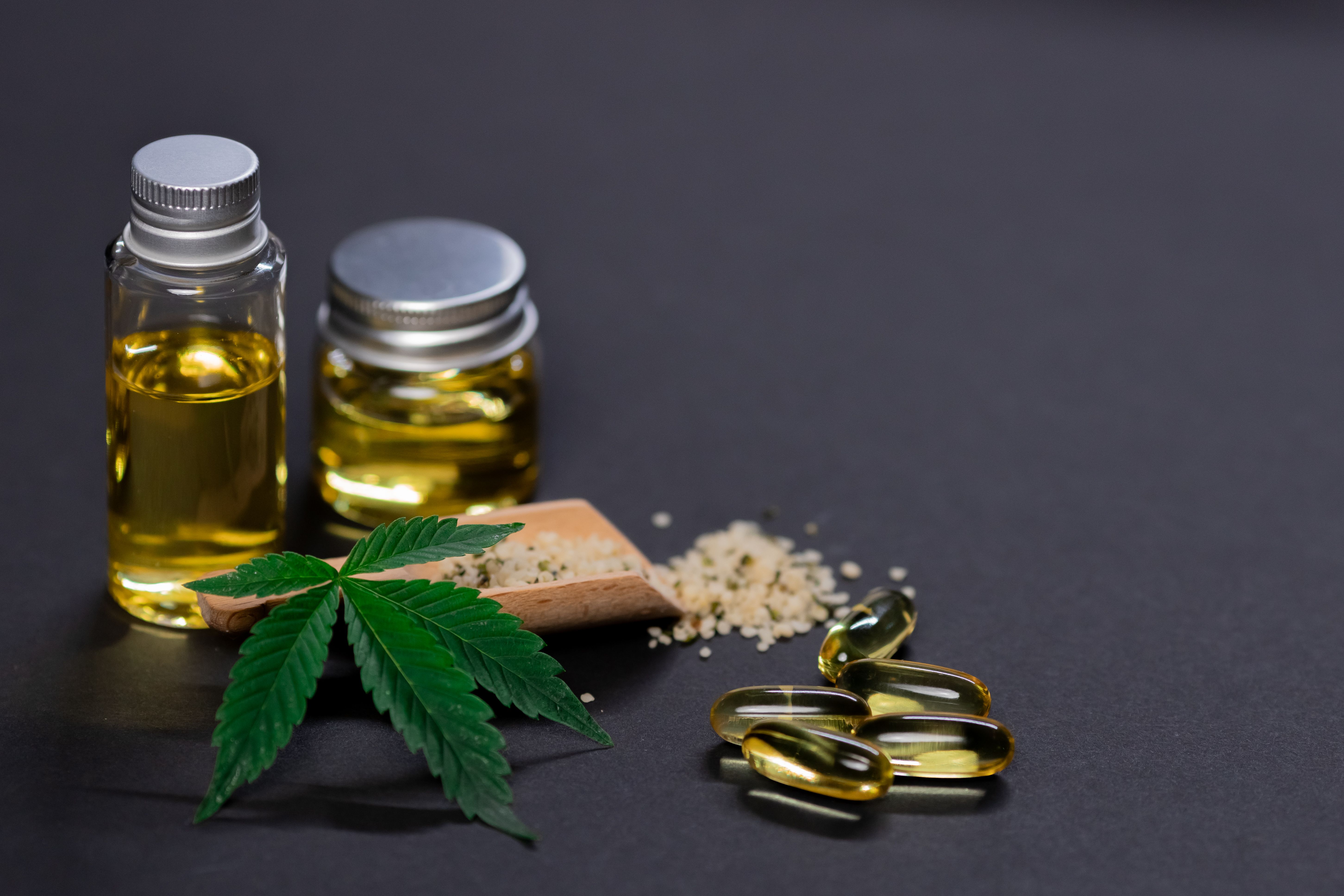
Hemp seed oil
The ideal 3:1 omega-3:omega-6 — cannabidiol-free nutritional oil and gamma-linolenic acid source.
In 1 minute
What does it provide? One of the most favorable omega-6:3 ratios (~3:1) among plant oils, plus rare GLA and SDA. SDA converts to EPA more efficiently (~30%) than ALA (~5–8%) — placing hemp seed oil among the "intermediate" omega-3 sources.
How much? 1 tablespoon (15 mL) raw per day — drizzled on salad, into smoothies, on cottage cheese, on roasted vegetables.
When to avoid? Hemp allergy, acute pancreatitis, anticoagulant therapy (large doses), occupational drug-testing requirements (trace THC < 10 µg/g). DO NOT CONFUSE with CBD oil or marijuana oil — this is FOOD, not a cannabinoid extract.
Hemp (Cannabis sativa) is one of humanity's oldest useful plants: ceramics of the Chinese Yangshao culture (4000 BCE) preserve hemp seed traces, and the Shennong Bencao Jing (100 CE) mentions hemp seed oil under the name "má-zi" as a medicine — mainly against constipation. In Europe, hemp has been a millennial textile plant: a base material of Central European peasant farms in the Árpádian age (linen-hemp + flax) — rope, canvas, sail, paper.
In Hungary, the Szeged Hemp Mill (1877) is one of the oldest industrial hemp plants. The seeds were traditionally fed to animals (mainly birds) and pressed for oil — mainly in peasant farms in winter, for both lamp oil and food. From the mid-20th century the marijuana ban (1937 Marihuana Tax Act USA, 1961 UN Single Convention) pushed industrial hemp into the background; since the 1990s, more and more countries (Canada 1998, EU continuously) have re-authorized THC-free (< 0.2–0.3%) industrial hemp cultivation for food, industrial, and cosmetic use. Finnish-Canadian research in the 2000s (Callaway 2005, Journal of Dermatological Treatment) documented the benefit of hemp seed oil consumption for atopic dermatitis. The vegan-paleo-Mediterranean trend of the 2010s brought new demand — today hemp seed oil is one of the premium categories of high-omega-3 plant oils.
🔬 Scientific Background
The most robust clinical signal is for atopic dermatitis. Callaway et al. (2005) studied 20 atopic dermatitis patients for 20 weeks in a crossover design: 30 mL/day hemp seed oil consumption (vs. flaxseed oil control) significantly reduced skin dryness, itching, and lowered corticosteroid needs. The proposed mechanism is the GLA → dihomo-GLA → PGE1 pathway — PGE1 is an anti-inflammatory prostaglandin that improves skin barrier function.
Lipid-profile evidence comes from Schwab et al. (2006): 14 participants, 4+4 weeks crossover, 30 mL/day hemp seed oil → LDL and apoB decreased, HDL rose. Whelan (2009, J Nutr) discusses SDA (stearidonic acid) → EPA conversion in detail: ~30%, vs. ALA's ~5–8% conversion. This makes hemp seed oil a more effective EPA source than ALA-dominant flaxseed oil (and ordinary dietary omega-3 plant oils) — although it does not compete with fish oil and algae oil. GLA content is valuable, similar to blackcurrant oil and borage oil; there is evidence on premenstrual symptoms and atopic skin.
At the microbiome level there is no dedicated human RCT yet. Indirect evidence: the favorable omega-3/6 ratio reduces systemic inflammation (CRP, IL-6 markers), which can be indirectly microbiome-positive — chronic low-grade inflammation and dysbiosis are bidirectionally linked. Chlorophyll content gives in vitro antioxidant activity, but human significance is limited.
- + Salad dressing: hemp seed oil + balsamic vinegar + Dijon mustard + a pinch of salt → for green salad, tomato, cucumber.
- + Smoothie: 1 teaspoon into a spinach-banana-berry blend — chlorophyll and fat together aid absorption.
- + Cottage cheese, yogurt, kefir: hemp seed oil + fermented dairy = omega-3 + probiotic combination.
- + Cold-cooked pasta: hemp seed oil + grated Parmesan + parsley + garlic.
- + Roasted vegetables (drizzled on the plate, NOT in the oven): winter squash, broccoli, cauliflower.
- + Ground hemp seed + hemp seed oil: full package, complete seed matrix in flavor and nutrients.
- + Hemp pesto: basil + hemp seed oil + hemp seed + Parmesan + garlic.
- High-heat frying, cooking: categorical ban — smoke point ~165 °C, omega-3 (ALA, SDA) oxidize rapidly, like flaxseed oil.
- Opened bottle stored in light: rapid rancidity — hemp seed oil should be kept in the refrigerator, in dark glass, consumed within 3–4 weeks.
- As a CBD-oil / marijuana-oil substitute: categorically different product — hemp seed oil is food, CBD oil is a cannabinoid extract (drug-like). Always check that you're buying a "food grade" / "edible" labeled product.
- Stacked with other omega-6-rich oils (sunflower, sesame): hemp seed oil comes with a good ratio, but combined with sunflower the omega-6/3 advantage disappears.
- Hemp allergy (rare): absolute contraindication.
- Acute pancreatitis: avoid in the fat-restriction phase.
- Anticoagulant therapy (warfarin, DOACs): due to omega-3 effect, mild additive bleeding risk — high doses (> 30 mL/day) with medical consultation.
- Occupational drug-testing requirements (police, sport, security work): edible hemp seed oil may contain trace THC (< 10 µg/g); large quantities (multiple tbsp/day) could theoretically cause a positive test (rare but documented). Check employer policy.
- 2 weeks before planned surgery: stop high doses (omega-3 bleeding risk).
- Severe biliary obstruction: fat malabsorption issue.
Daily serving: 1 tablespoon (≈ 15 mL) raw — half of the clinically used 30 mL Callaway dose, matching daily dietary level.
Preparation pattern:
1. Never heat directly — always drizzle on cold food or on the warm finished dish.
2. For salad dressing: 1 tbsp hemp seed oil + 1 tbsp balsamic vinegar + ½ tsp Dijon mustard + a pinch of salt → shake together.
3. Into smoothies: 1 teaspoon at the end of blending so chlorophyll and omega-3 don't emulsify apart.
Classic patterns:
- Green salad dressing: hemp seed oil + balsamic vinegar + mustard
- Cottage cheese + hemp seed oil + herbs: Austrian-Central European peasant breakfast with an omega-3 plus
- Hemp pesto: basil + hemp seed oil + hemp seed + Parmesan + garlic
- Hummus + hemp seed oil: drizzled on top
- Winter squash bowl + hemp seed oil: roasted squash + oil + garlic + pumpkin seeds
- Smoothie: spinach + banana + berries + 1 tsp hemp seed oil
Storage: in the refrigerator, in dark glass, sealed. Consume within 3–4 weeks of opening. Rancid taste (fish-like, sharp) means discard.
Buying: "edible" / "food grade" / "cold-pressed" / organic / dark glass / small package (250 mL) / pressing date on the label. Reliable sources: Canadian, Dutch, French, Central European organic producers.
What not to do: don't fry, don't cook, don't store in light. Don't choose a CBD-oil-labeled product if you're looking for an edible fat. With occupational drug testing, check policy in advance.