


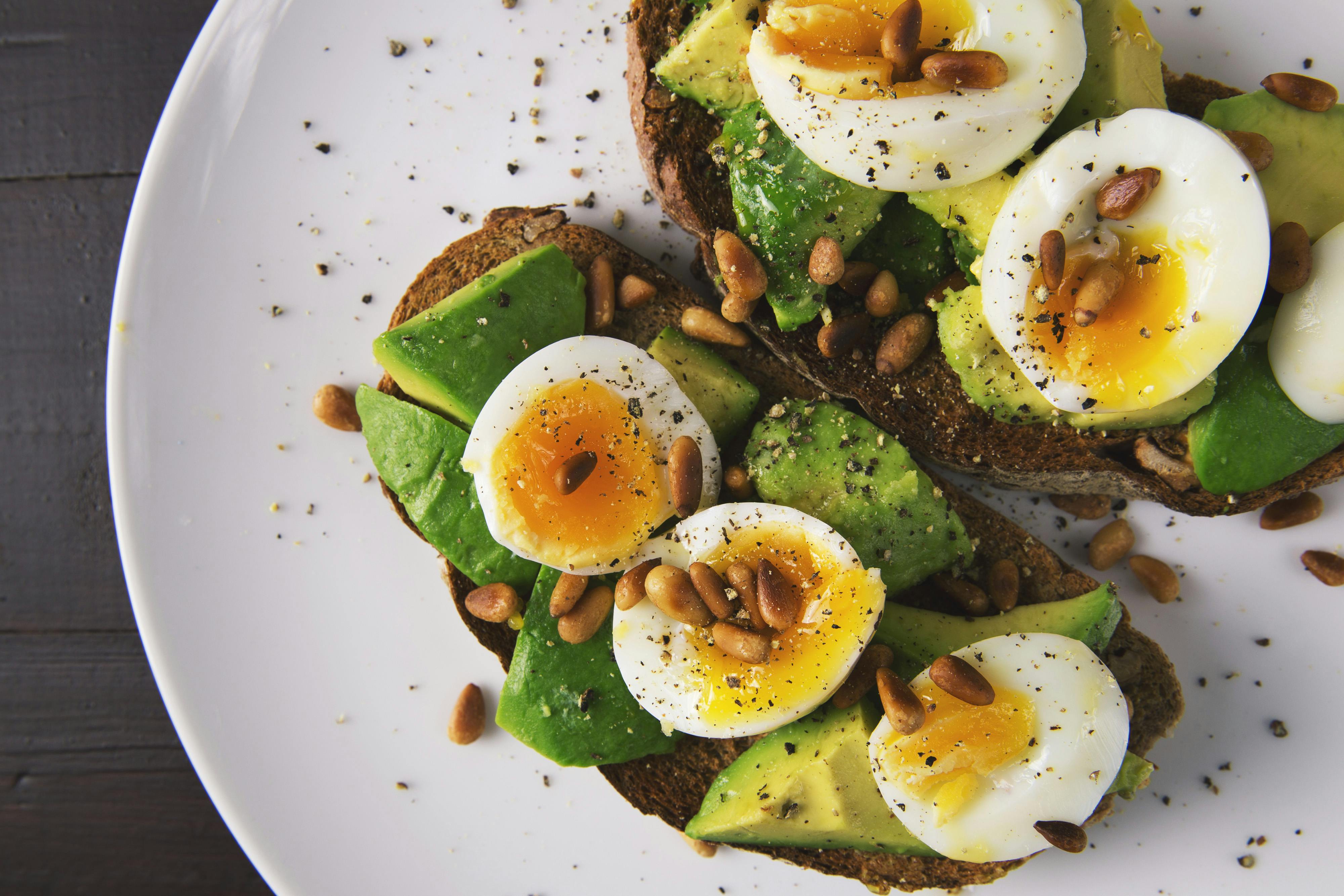
Omega-3 enriched egg
Feed-engineered DHA — flaxseed-fed hen, higher omega-3, and the vegetarian alternative.
In 1 minute
What does it provide? All the nutrients of a regular egg PLUS 150–300 mg long-chain omega-3 (EPA + DHA) — an economical EPA/DHA source for people whose diet is low in fish.
How much? 1–2 omega-3 eggs per day provide 150–600 mg EPA + DHA — about a quarter of the weekly fish recommendation. NOT a full substitute, but a worthwhile addition.
When to avoid? Confirmed egg allergy. Omega-3 enrichment alone does not introduce a new allergen matrix, but fish-oil-fed eggs may rarely trouble fish-allergic individuals — in fish allergy, check the feed source and choose flax/chia-seed enrichment (Bekala-Kowalska 2012, small n). Anticoagulant treatment (warfarin/DOAC) + high (daily 3+ eggs) omega-3 intake can together increase bleeding risk — time with medical consultation, and reduce intake 2 weeks before surgery.
The omega-3 enriched egg was one of the early successes of the late 20th century (1990s) functional food trend: the University of Manitoba in Canada (Sim et al.) proved that flaxseed (Linum usitatissimum) added to hen feed leads to a measurable omega-3 elevation in the egg yolk. Pilgrim's Egg and the American brand "Eggland's Best" have sold such eggs industrially since 1998.
In Europe, HMR (Health Marketing Regulation) governs the "source of omega-3" claim: at least 40 mg ALA or 4.8 mg EPA+DHA/100 kcal — commercial omega-3 eggs exceed this. Since the 2010s, microalga-based (Schizochytrium, direct DHA precursor) feeding has made high EPA/DHA enrichment a vegan/fish-free alternative — particularly interesting given the trend to reduce fish consumption.
🔬 Scientific Background
The hen converts part of the ALA in its feed (flaxseed, rapeseed) to EPA and DHA, and long-chain omega-3s accumulate in the yolk (in the phospholipid fraction). The conventional egg has ≈ 30–40 mg EPA+DHA/each, the omega-3 enriched ≈ 150–300 mg. Microalga-based feeding (Schizochytrium) can reach ≈ 400 mg DHA/egg, without fish oil.
Clinical trials (Lewis 2000, Aiken 2008) show that 2 omega-3 eggs daily over 4–6 weeks lower plasma triglycerides and raise HDL compared to control eggs. Effect size is smaller than fish oil supplements, but significant, especially if weekly fish consumption is < 1 serving.
Per fish-consumption recommendations (AHA, EFSA: 2 servings of fatty fish per week ≈ 250 mg EPA+DHA/day), the omega-3 egg is a SUPPLEMENT, not a substitute — but from a sustainable-fish framework it is worth considering.
DHA is particularly important during pregnancy for brain and retinal development (minimum 200 mg/day); omega-3 eggs here can be a tasty, familiar matrix for those who don't like fish.
Myth risk: on commercial "omega-3 egg" labels, ALA content sometimes mixes with EPA+DHA — the clinically relevant long-chain omega-3 is the latter. ALA → EPA conversion in humans is < 5%, so marketing claims are misleading if they measure ALA only.
Cholesterol and total fat content are similar to regular eggs (see chicken egg chapter for cholesterol myth debunking).
- + Herbs + olive oil: classic Mediterranean "heart-healthy" matrix.
- + Avocado: monounsaturated fat + DHA — cardioprotective combination.
- + Nut/seed salad (walnut, flaxseed): complementary ALA + EPA/DHA omega-3 matrix.
- + Tomato + olive oil: lycopene + DHA combined anti-inflammatory.
- + Roasted sweet potato / winter squash: beta-carotene + DHA — brain and eye health.
- High-dose fish oil supplement at the same time: not dangerous, just a cost-efficiency question of redundant omega-3 intake.
- Saturated-fat-heavy sides (bacon, butter): offsets the cardiovascular benefit.
- Very fresh-grated tuna/sardine + omega-3 egg: fishy taste/redundancy, not a clinical issue.
- Levodopa + high protein: time separately (see chicken egg).
- Confirmed egg allergy: same contraindication as for chicken egg.
- Fish allergy + fish-oil-fed egg: rarely documented cross-reaction (Bekala-Kowalska 2012, small n) — clinical relevance uncertain, caution advised. Microalga-fed omega-3 egg is a safer choice.
- Anticoagulant + high omega-3 intake: not relevant at culinary amounts, but yes if combined with fish oil capsules.
- Salmonella risk: same as conventional egg.
- Bird-feather allergy / pollen-food syndrome: same.
Daily serving: 1–2 omega-3 eggs.
Preparation patterns:
1. Soft-boiled/poached egg: gentle heat, DHA is heat-sensitive — plain scrambled is already sufficient.
2. Oven-baked frittata with vegetables: Mediterranean matrix.
3. Egg salad with extra virgin olive oil: cold consumption preserves omega-3.
Classic patterns:
- Mediterranean breakfast with omega-3 egg + olive + tomato + feta + olive oil
- Avocado toast with omega-3 egg — complete heart-healthy breakfast
- Spinach frittata + walnut crumble — complementary ALA + EPA/DHA
Storage: like conventional eggs (3–5 weeks refrigerated). DHA is more heat-sensitive, so overcooking is nutritionally wasteful.
What not to do: don't overbrown (DHA oxidation), don't believe it 100% replaces a fish oil supplement, don't overpay the premium price if you already eat 2 servings of fish weekly.