


Cordyceps
The Tibetan insect-parasite wonder — adenosine, cordycepin, and the ATP synthesis switch.
In 1 minute
What does it provide? Cordycepin and adenosine — analogs of the key molecules of ATP synthesis, enhancing cell-level energy production and mitochondrial function. In athletes, modest but measurable VO₂max and fatigue tolerance improvement. Adaptogenic effect (stress tolerance, libido, lung function).
How much? As a supplement, 1000–4000 mg standardized Cordyceps militaris fruit-body extract daily, with meals. The dose used in clinical trials is generally 2–3 g/day, with 4–12 weeks of dosing.
When to avoid? During anticoagulant treatment, during autoimmune flare, immunosuppressant therapy, pregnancy, active treatment of hormone-dependent tumors.
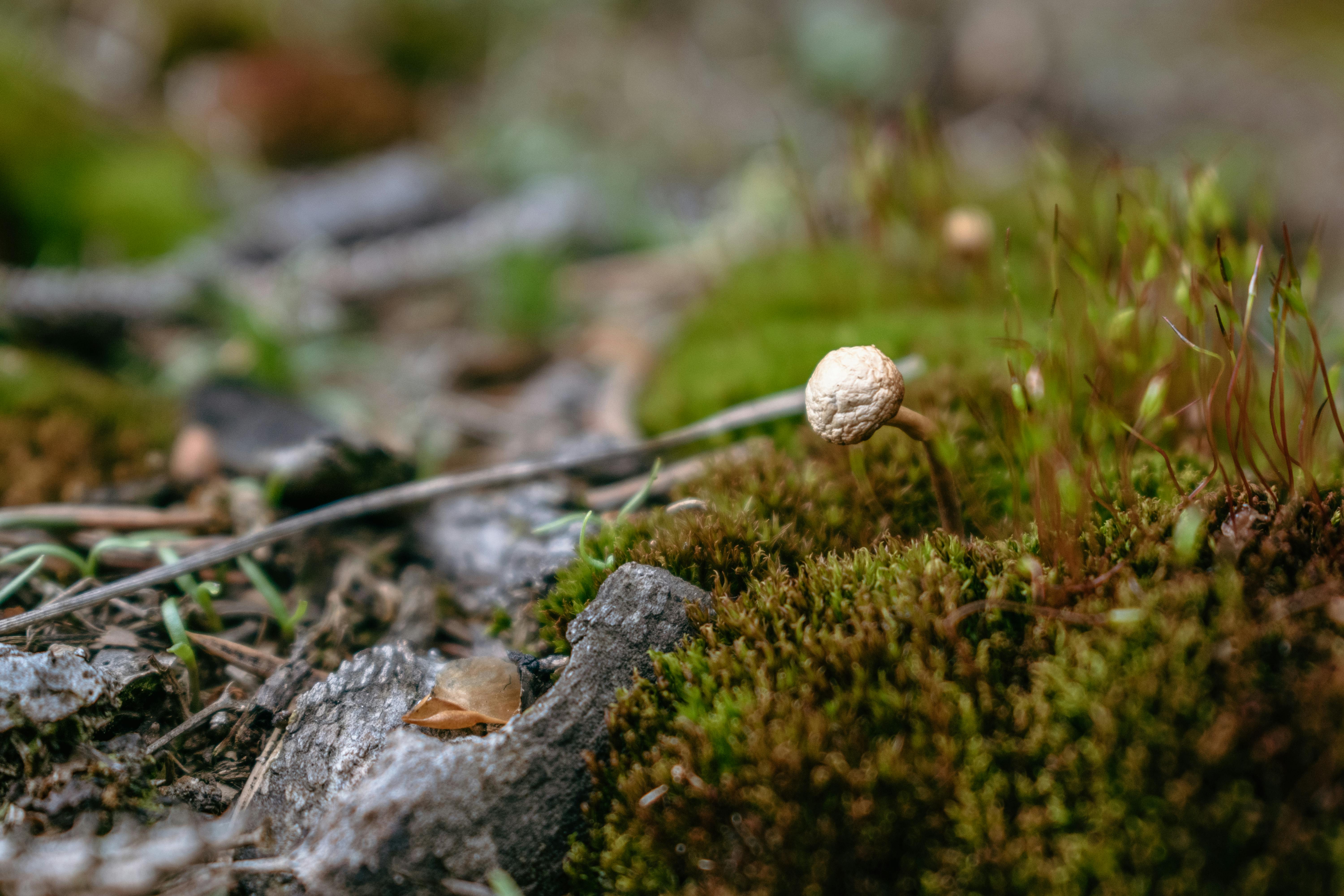
Cordyceps is one of nature's strangest organisms: Ophiocordyceps sinensis lives in the soil of the Tibetan-Himalayan high-mountain meadows and infects the caterpillars of the Thitarodes moth — it spends winter in the caterpillar body, and in spring a thin, dark parasitized mushroom fruiting body grows from the caterpillar's head. Tibetan, Nepali, and Bhutanese foragers (yartsa-gunbu — "summer grass, winter worm") have been gathering it on spring meadows for 1500 years. Tibetan healing tradition attributes "strength, long life, and manly vitality" to it. It reached the Chinese imperial court from the 15th century — so valuable that a Chinese Catholic monk in his 1719 description called it "exchanged for silver by weight." In the 21st century, wild Ophiocordyceps sinensis is one of Tibet's most valuable natural exports — in 2017 it sold at a higher per-kilogram price than gold (about €30,000/kg depending on quality), and Tibetan foraging families' substantial incomes depend on it.
Modern research began in 1950, when Cunningham isolated cordycepin (3'-deoxyadenosine) from Cordyceps militaris, an adenosine analog that modulates RNA synthesis and cellular energetics. At the 1993 Stuttgart World Athletics Championships, Chinese women long-distance runners (coach Ma Junren's team) broke world records, and the Chinese federation attributed the performance increase to cordyceps — this is where sport-cordyceps research began. In Chen et al.'s 2010 Taiwanese RCT, 333 mg/day Cordyceps militaris extract after 3 weeks showed modest improvement in lactate tolerance and VO₂max. Hirsch et al.'s 2017 newer RCT after 8 weeks of dosing confirmed aerobic performance improvement. In the past decade, cultivated C. militaris has become the research standard — ethically and practically better than the wild Tibetan variety, which is being depleted at an unsustainable rate. (PubMed, J Diet Suppl, J Strength Cond Res)
🔬 Scientific Background
Cordyceps's two main bioactives are cordycepin and adenosine — both are adenine nucleoside derivatives, key molecules of ATP and RNA metabolism in human cells. Cordycepin (3'-deoxyadenosine) crosses the cell membrane and inside the cell is converted to 5'-monophosphate (deoxyadenosine triphosphate), which modulates adenosine receptor (A1, A2A, A2B) signaling, inhibits poly(A)-RNA maturation, and shows in vitro cytostatic effects on tumor cells. At the clinical level, the pronounced effect is mitochondrial function support: elevated cellular ATP production, better oxygen utilization (VO₂max improvement), prolonged fatigue tolerance.
The most solid evidence in sports research is Chen 2010 (Taiwanese RCT), Hirsch 2017 (US RCT), and more recent meta-analyses (Liu 2021). The effect is modest (5–10% VO₂max improvement), but reproducible and pharmacologically consistent — especially in aerobic (endurance) sports (running, cycling, swimming). It is less pronounced in anaerobic (sprint, strength) sports. The clinically relevant dose is 2–3 g/day fruit-body extract, with 4–12 weeks of dosing.
Cordyceps polysaccharides (CPS) — mainly β-glucans — are immunomodulating. Human data indicate increased NK-cell activity and modulation of Treg/Th17 balance. In chronic respiratory disease (COPD, asthma), the adjuvant potential is based on preclinical and small human pilot studies; Yi 2004 (Chin J Integr Med) showed improved aerobic capacity and lung function with Cs-4 fermentation cordyceps product.
From an adaptogenic standpoint, cordyceps has modest but documented effects: it modulates the HPA axis stress response, normalizes the cortisol circadian rhythm, and enhances testosterone synthesis in Leydig cells in vitro (Hsu 2003). Human sexual function evidence is limited; Hsu's 2003 (Life Sci) in vitro testosterone synthesis enhancement on Leydig cells is pharmacologically plausible, but no robust human RCTs exist.
Important: wild Ophiocordyceps sinensis and cultivated Cordyceps militaris have different bioactive profiles. C. militaris is distinctly higher in cordycepin content (up to 10×), while O. sinensis is higher in polysaccharide content. In the majority of clinical research, C. militaris is the form studied — ethically, practically, and pharmacologically there are good reasons to prefer the cultivated variety.
- + Before meals with fat (olive oil, butter, MCT): cordycepin is lipophilic — better absorption with fat.
- + Magnesium and potassium (banana, almond, green vegetables): ATP synthesis cofactors — sport synergy.
- + B-vitamin complex (yeast, legumes, eggs): mitochondrial cofactors — energetic synergy.
- + 30–60 minutes before training: cordycepin half-life is short, consumed before training works best.
- + Adaptogenic combination (rhodiola, ashwagandha): modest, documented synergistic adaptogenic effect in stress tolerance.
- + Other immunomodulating mushrooms (maitake, reishi): complementary β-glucan profile.
- + Vitamin C, E: antioxidant synergy for reducing athletes' oxidative stress.
- + High-protein diet for athletes: cordyceps supports protein synthesis.
- Anticoagulants (warfarin, DOACs, aspirin): cordyceps is a moderate antiaggregant — additive bleeding risk with high-dose supplements.
- Immunosuppressants (tacrolimus, ciclosporin, corticosteroids): opposite pharmacology.
- CYP3A4 substrates: in vitro data suggest cordyceps moderately inhibits CYP3A4 — some drug levels may rise.
- Diabetes medications (insulin, sulfonylureas): moderate hypoglycemia risk.
- Thyroid medication (levothyroxine): theoretical absorption interaction — 2 hours apart recommended.
- High doses combined with stimulants (caffeine, ginseng): overstimulation, insomnia, arrhythmia possible.
- Active treatment of hormone-dependent tumor (breast, prostate): due to in vitro hormone-modulating effect, oncologist consultation required.
- Active autoimmune disease (SLE, RA, MS) flare: immunomodulation direction not certain.
- After organ transplantation: absolute contraindication.
- Active treatment of hormone-sensitive tumor (breast, prostate, endometrial): in vitro steroid receptor-modulating effect — oncologist consultation.
- Active bleeding, bleeding predisposition: antiaggregant risk.
- 2 weeks before planned surgery: stop.
- Pregnancy, breastfeeding: human safety data missing — avoid.
- Under 18: to be avoided as a sports supplement, no pediatric safety data.
- Severe chronic renal failure: rare serum creatinine elevation has been described — kidney function monitoring.
- Sleep disorder, insomnia: daytime dosing is appropriate (stimulant effect).
Serving: 1–4 g dried Cordyceps militaris fruit-body powder or 1000–4000 mg standardized extract daily, with meals. 4–12 week courses, with 2–4 week breaks in between.
Preparation: Cordyceps is not consumed as a main meal (the taste is mildly bitter-earthy, the texture stringy). Classic forms:
1. Tea/decoction: 2–3 g dried fruit body in 500 ml water, 30–45 minutes slow simmer. Sweeten with honey.
2. Powder in smoothies: 1–2 g powder in morning smoothie (banana, cocoa, MCT, almond milk).
3. Capsule/tablet: standardized extract, before training or in the morning.
4. Bone broth: Chinese traditional "cordyceps chicken soup" — 5 g cordyceps + 1 whole chicken + ginger, 3–4 hours slow cook.
Classic patterns:
- Morning "energizer" smoothie: 1 tsp cordyceps powder + banana + cocoa + MCT + plant milk + ½ tsp maca.
- Pre-workout tea: 2 g cordyceps decoction + lemon juice + honey, 30 minutes before training.
- Tibetan bone broth: slow-cooked chicken or lamb bone broth with cordyceps and ginger.
- Coffee substitute drink: cordyceps + chaga + chicory + cinnamon — caffeine-free energizer.
Storage: Dried powder in an airtight jar, dark place, 12 months. Liquid extract in fridge 6 months. Capsules at room temperature 24 months.
What not to do: Don't consume after 6:00 PM (sleep disturbance). Don't combine with large amounts of caffeine (overstimulation). Don't cook in aluminum cookware. Don't buy "yarsa-gunbu" branded products cheaply — the wild Tibetan variety is €30,000/kg; cheap "Tibetan cordyceps" is counterfeit.