


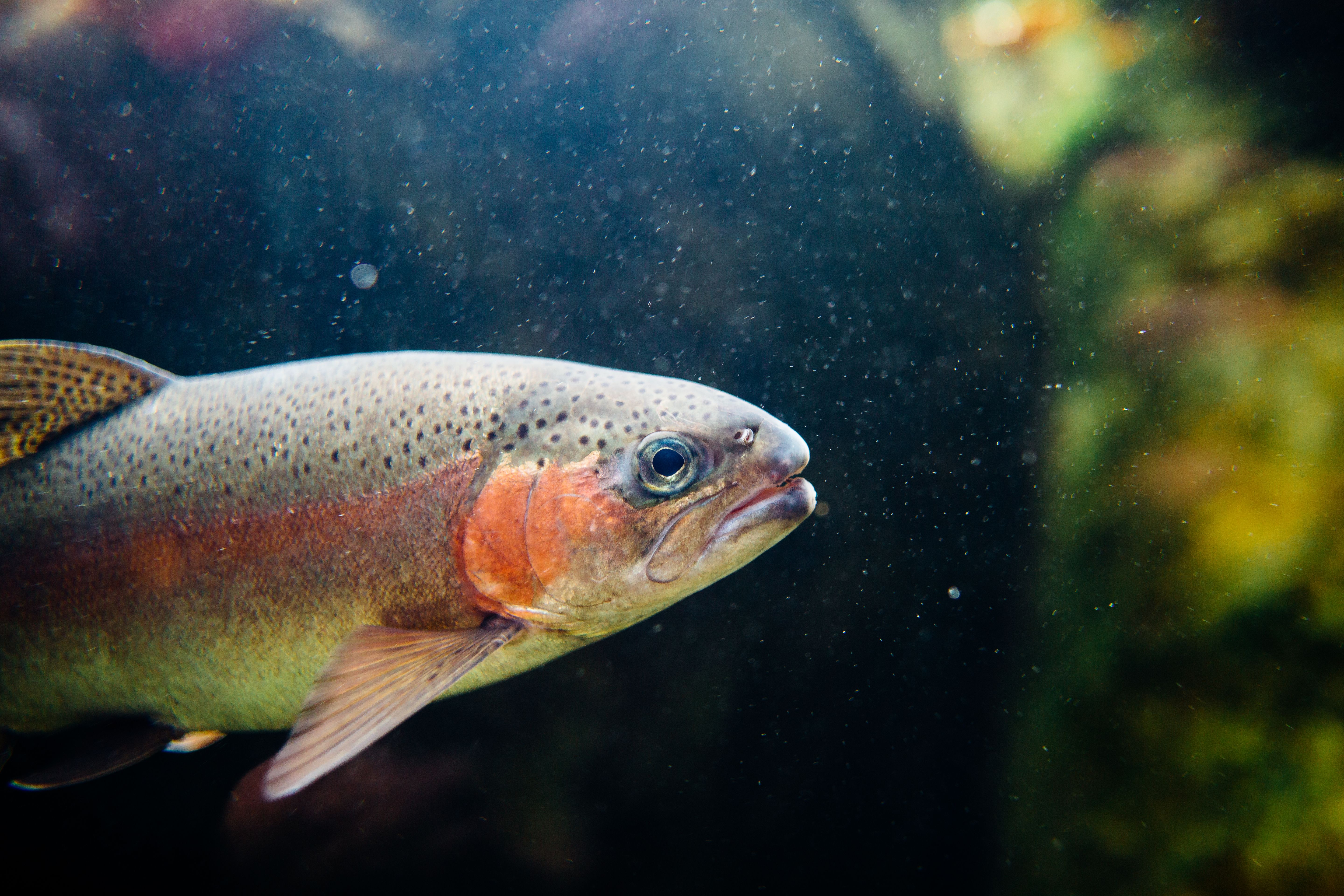
Rainbow trout
The freshwater omega-3 source — low mercury, high vitamin D, and the wild/farmed conversation.
In 1 minute
What does it provide? Trout is one of the most valuable Central European native fish: significant omega-3 EPA + DHA content (1.0–1.8 g/100 g), high vitamin D (10–25 µg/100 g), B12, selenium, and iodine. Due to its freshwater habitat, mercury burden is LOW — safe for all age groups, pregnant women, and small children.
How much? 100–150 g 2–3 times per week — this covers the minimum weekly omega-3 needs, and is specifically recommended during pregnancy (in the US FDA "best choice" category).
When to avoid? Fish allergy (parvalbumin-mediated, rarely life-threatening). Moderate in gout. Source confidence: for farmed trout, verify husbandry (oxygen, feed, minimal antibiotic use); for small-stream wild trout, monitor for contaminant accumulation due to industrial proximity.
Trout is a deeply rooted element of Central European gastronomy and culture — brown trout (Salmo trutta morpha fario) living in the streams of the Highlands, Transylvania, and the Bakony has for centuries been valued by both noble and peasant cuisine. Arnold Ipolyi's "Hungarian Mythology" (1854) mentions trout among folk beliefs tied to mountain springs. In medieval monasteries (e.g., Tihany, Pannonhalma), monks dammed streams into fish ponds, and during Lent trout held a special place on the monastic menu.
Modern trout farming began in the mid-19th century: in 1842 Frenchman Joseph Rémy described artificial fish propagation, and by 1880 trout hatcheries were built across Europe. Rainbow trout (Oncorhynchus mykiss) was introduced from North America — today it is the most mass-cultivated freshwater fish in the world. Late 20th-century environmental pollution eradicated wild brown trout from many European streams, and today restocking programs run alongside water-quality improvement (LIFE programs, Natura 2000). In Central Europe, the Aggtelek karst and Bükk produce the highest-quality native trout, especially from the Lillafüred Trout Farm and Szilvásvárad Valley fish farms.
🔬 Scientific Background
Rainbow trout omega-3 EPA + DHA content is 1.0–1.8 g/100 g (USDA FoodData Central) — less than wild Atlantic salmon (≈ 2.5 g), but more significant than white fish (cod ≈ 0.2 g). Long-running RCTs of omega-3 have demonstrated consistent cardiovascular (Mozaffarian 2011), cognitive (Devassy 2016), and microbiome-modulating effects.
Vitamin D content is outstanding — 100 g of rainbow trout contains 10–25 µg D3, 50–125% of the adult daily requirement. This is especially important in the Carpathian Basin climate, where from October to March cutaneous D synthesis is minimal. Vitamin D directly modulates the microbiome — it increases Bifidobacterium and Akkermansia muciniphila and improves gut-barrier integrity (Bashir 2016, Charoenngam 2020).
Mercury accumulation is low: freshwater lake- and stream-trout average 0.03–0.07 mg/kg methylmercury — one order of magnitude lower than tuna (0.35 mg/kg) or swordfish (1.0 mg/kg). On the FDA "best choices" list — recommended 2–3×/week for pregnant women and small children.
Farmed trout is a quality question: with good husbandry (oxygen-rich flowing water, natural algae-containing feed, antibiotic-free), the nutrient profile matches wild. In cheap, intensive farming, the omega-3:omega-6 ratio is less favorable (due to corn/soy-based feed) — worth asking for the source or looking for the MSC/ASC mark.
- + Lemon + parsley + extra-virgin olive oil: classic "truite au bleu" tradition — the polyphenol matrix protects omega-3 from oxidation.
- + Almond ("truite aux amandes" style): French classic, magnesium and vitamin E synergy.
- + Potato, root vegetables (roasted potato, carrot): stable blood sugar + good satiety, potassium synergy.
- + Green leafy salad (arugula, spinach): folate + iron, plus a matrix that aids fat-soluble vitamin D absorption.
- + Yogurt sauce (Greek style): calcium + live cultures, microbiome-supportive.
- + Red wine in moderation (1 dL): polyphenol-omega-3 synergy.
- + Fresh herbs (dill, chive, tarragon): carotenoid and essential-oil matrix for antioxidant protection.
- Hot, high-heat oil frying longer than 5 minutes: omega-3 is heat-labile (rapid breakdown above 190 °C). Maximum 3–4 minutes/side at high heat, or lower heat for steaming.
- High-Na smoked, salted preparations in large amounts in hypertension: smoked trout (gravlax style) is fine, but once a week is enough.
- Heavy cream sauces in diabetic or hypertensive patients: worsens the cardio benefit.
- Deep-fried breaded trout in lots of oil: trans fat + acrylamide + omega-3 oxidation — exactly the opposite of what the fish offers.
- MAOI antidepressant + non-fresh or smoked trout: histamine / tyramine accumulation risk.
- High-dose vitamin E or fish-oil supplement with regular trout consumption: unnecessary stacking, bleeding risk.
- Fish allergy (parvalbumin): trout's parvalbumin can be cross-reactive with other fish — allergist consultation needed.
- Anticoagulant (warfarin, DOAC) use with high omega-3 intake: at moderate weekly serving (2–3×) no problem, but combined with fish-oil supplements INR should be monitored.
- Gout / hyperuricemia, active flare: moderately purine (≈ 100–150 mg/100 g) — avoid during flares.
- Chronic kidney disease (CKD 3+): high protein and phosphorus content — portion-restriction with a dietitian.
- Pregnancy: specifically RECOMMENDED (low mercury, high D + omega-3 = fetal brain and visual development). RAW or improperly smoked to be avoided (Listeria, Anisakis). Cold-smoked trout to be skipped during pregnancy.
- Listeria-risk populations (pregnant, immunocompromised, elderly): cold-smoked fish only heat-treated.
- Anisakis sensitivity: wild trout may contain parasites — freezing (−20 °C, 7 days) or thorough heat treatment (≥ 63 °C, 15 sec) can eliminate them.
- Wild trout from PCB/dioxin-contaminated watersheds (former industrial areas): ask about source.
- Hyperthyroidism: avoid large portions due to iodine content in untreated Graves' disease.
Daily/weekly serving: 2–3× per week, 100–150 g.
Preparation pattern — trout au bleu (truite au bleu):
1. Fresh, live trout is needed (this is the secret of the blue color — fresh skin slime reacts with vinegar).
2. In hot water bath (water + 1 dL white wine vinegar + bay leaf + pepper + salt) 5–8 minutes of cooking.
3. Blue-colored skin — serve with lemon, melted butter, or hollandaise sauce.
Classic patterns:
- Trout on coals (on a stick, campfire): classic Central European forest-stream tradition — salt, pepper, dill, lemon.
- Truite aux amandes (French, in almond butter): butter + slivered almond + parsley + lemon.
- Dill-sour cream trout (Central European): baked trout + sour cream + plenty of fresh dill.
- Norwegian gravlax (salt-dill, raw-cured): dangerous for general consumption (Listeria, Anisakis) — only from professional sources, avoid during pregnancy.
- Trout en papillote (steamed in parchment paper): lemon, dill, white wine, vegetables.
Storage: Fresh whole trout refrigerated (4 °C) max 24–48 hours. Frozen (−18 °C) 3 months without quality loss.
What not to do: Don't overcook (omega-3 oxidation). Don't eat the offal or gills (cadmium, possible parasites). Don't regularly consume wild trout from industrial proximity (PCB risk).