
Salmon (wild vs. farmed)
The wild vs. farmed debate — astaxanthin-rich pigment, omega-3 concentrate, and global aquaculture.
In 1 minute
What does it provide? The best-documented fatty fish: 1.5–2.5 g omega-3 (EPA + DHA — long-chain essential fatty acids, cardiovascularly and cognitively protective) per 100 g, high vitamin D (10–20 μg/100 g — bone and immune function), B12, selenium, and astaxanthin (the red pigment carotenoid, about 100× stronger antioxidant than vitamin E). AHA Science Advisory (Rimm 2018): 2 servings per week reduces cardiovascular mortality.
How much? 100–150 g 2 times per week — covers the EFSA minimum (≥ 250 mg EPA + DHA/day). Wild sockeye and ASC-certified Norwegian/Scottish farmed are the best choices (low mercury: 0.02–0.08 mg/kg — FDA "best choices").
When to avoid? Fish allergy (parvalbumin-mediated — absolute ban); during pregnancy, raw or cold-smoked (sushi, sashimi, gravlax — Listeria, Anisakis); with MAO inhibitor treatment, salted/smoked/cured forms (tyramine — hypertensive crisis); anticoagulant (warfarin/DOAC) + 5+ servings/week + fish-oil supplement (additive bleeding — INR monitor). Detailed condition-specific contraindications (CKD, gout flare, Graves) in the detailed section.
Salmon is one of humanity's oldest marine-freshwater foods — Paleolithic (Cro-Magnon) paintings in France's Abri du Poisson cave (22,000 BCE) depict salmon. Scottish-Norwegian-Icelandic Viking gastronomy ensured winter supply with the salted-dried salmon ("gravlax") technique. Scottish Highland clans regarded salmon as a sacred fish, and in Wales the myth of poet Taliesin's "Salmon of Wisdom" was the symbol of knowledge.
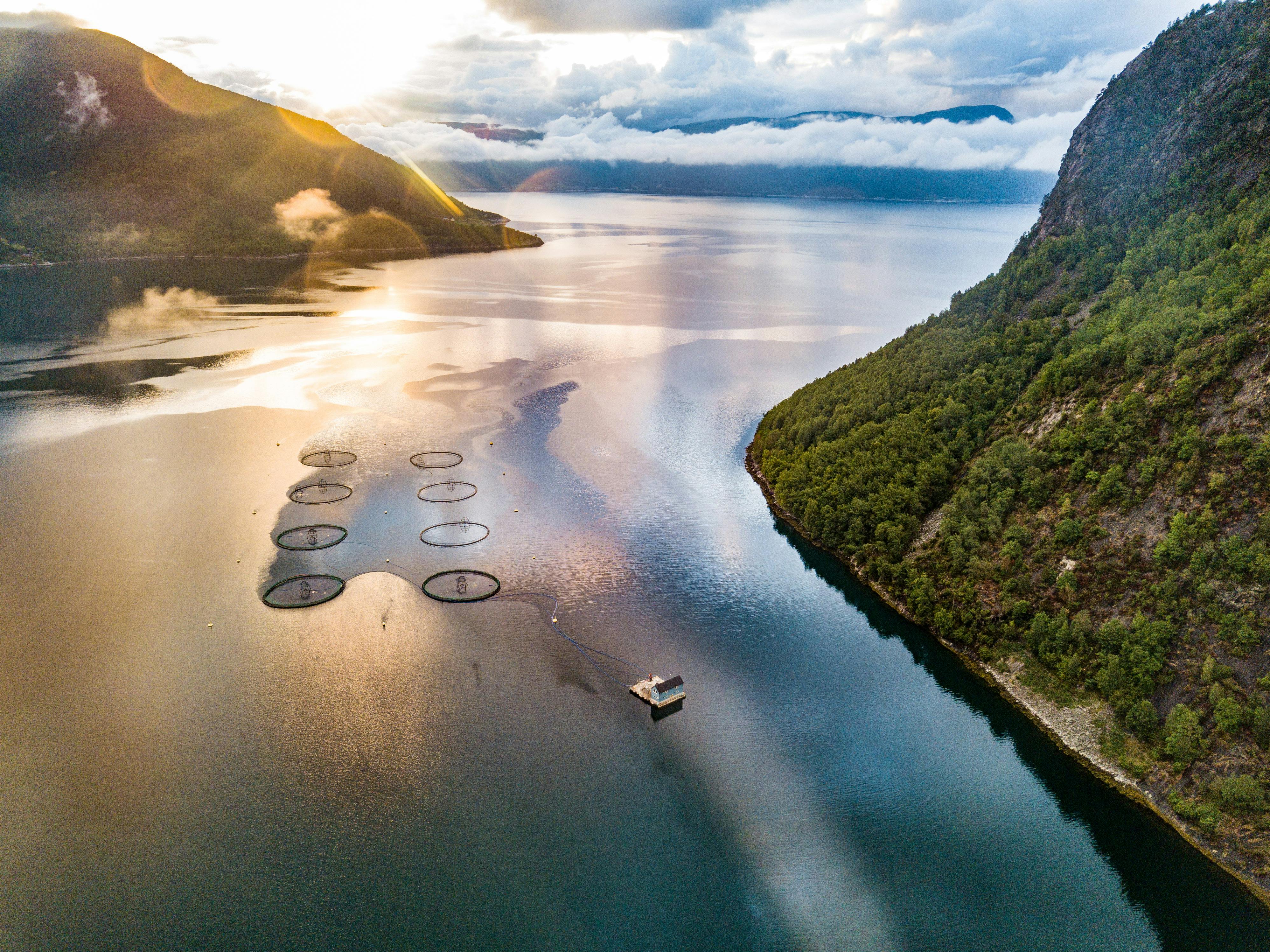
In the 19th–20th centuries, wild Atlantic salmon dramatically declined due to river dam construction, industrial pollution, and overfishing. In the 1970s Norway and Scotland introduced salmon farming (in "sea cage" systems) — today farmed salmon is among the world's most cultivated marine fish, with ≈ 2.5 million tons of annual global production. Norwegian salmon (Mowi, Cermaq, SalMar) is the global supplier.
Debates around farmed salmon sharpened from the 2000s: the 2004 Hites paper in Science (PCB / dioxin contamination in farmed salmon) caused global panic, but post-2010 regulation (EU max levels, feed purification) significantly reduced contamination. The 2020s debates: sea lice, antibiotic use (in the Norwegian industry reduced 99% since 1990 — by vaccination!), and farmed salmon ethics. Wild Pacific salmon (sockeye, king) remains the "gold standard," but expensive and limited — 2× per week farmed Norwegian/Scottish salmon is a good compromise.
🔬 Scientific Background
Salmon is the most studied fatty fish — thousands of RCTs, meta-analyses, and cohort studies show consistent cardiovascular (Mozaffarian 2011, Rimm 2018 AHA), cognitive (Devassy 2016), anti-inflammatory (Calder 2017), and microbiome-modulating (Costantini 2017) effects.
Wild vs. farmed — nutrient comparison (USDA 2024):
| Metric | Wild Atlantic | Farmed Atlantic | Wild sockeye (Pacific) | |---|---|---|---| | Total fat | 6.3 g | 13.4 g | 8.6 g | | Omega-3 (EPA + DHA) | 1.3 g | 2.5 g | 1.5 g | | Omega-6 | 0.2 g | 0.9 g | 0.4 g | | Omega-3:omega-6 ratio | 6.5 | 2.8 | 3.8 | | Vitamin D | 12 µg | 20 µg | 14 µg | | Astaxanthin | 4–14 mg | 1–8 mg (synthetic / Phaffia) | 26–38 mg (record!) |
Farmed salmon provides higher total omega-3 (more fat), but the omega-3:omega-6 ratio is LESS favorable. Wild sockeye's omega-3:omega-6 ratio is optimal, and astaxanthin content is highest.
Astaxanthin: the carotenoid antioxidant that gives salmon its red color. Wild salmon obtains natural astaxanthin from krill consumption; farmed salmon receives it from feed (synthetic or biotech, Phaffia rhodozyma yeast-derived). Astaxanthin is 100× stronger antioxidant than vitamin E (Goto 2001) — cardio-, neuro-, and skin-protective (human RCTs).
Mercury content: salmon has low mercury accumulation (0.02–0.08 mg/kg) — FDA "best choices." Safe for pregnant women and small children.
PCB / dioxin: post-2010 regulation has drastically reduced farmed-salmon contamination (90%+ cleanup with feed regulation). The EU max level is 6.5 pg/g WHO-PCDD/F-PCB-TEQ — market salmon contains a fraction of that.
Antibiotics: the Norwegian salmon industry has seen a 99% reduction since 1990 through vaccination. Chilean and industrially less-developed sources remain a question — choose Norwegian, Scottish, Irish, Faroese, or ASC-certified sources.
- + Lemon + extra-virgin olive oil + dill: classic Scandinavian-Mediterranean matrix.
- + Avocado + sesame seed (poke / sushi style): fat + magnesium synergy.
- + Spinach, arugula, green salad: folate + iron + matrix that aids fat-soluble vitamin D absorption.
- + Quinoa, roasted sweet potato, wild rice: stable blood sugar + good satiety.
- + Broccoli, Brussels sprouts (Brassica family cruciferous): sulforaphane + omega-3 synergistic anti-inflammatory.
- + Yogurt sauce (Greek style): calcium + live cultures.
- + White / rosé wine in moderation: polyphenol-omega-3 cardio synergy.
- + Fresh herbs (dill, chive, tarragon, parsley): antioxidant essential-oil matrix.
- High-heat long oil frying (deep fryer): omega-3 is heat-labile — oxidizes rapidly above 180 °C. Max 3–4 minutes/side high heat.
- MAO-inhibitor antidepressant + cold-smoked / salted / non-fresh salmon: hypertensive crisis risk (tyramine / histamine).
- Anticoagulant (warfarin, DOAC) + 5+ servings of fatty salmon per week + fish-oil supplement: additive bleeding risk.
- Heavy cream sauces with diabetes, hypertension: worsens the cardio benefit.
- Cold-smoked salmon in pregnancy: Listeria risk — to be avoided.
- Deep-fried breaded salmon: trans fat + omega-3 oxidation.
- High-Na soy-teriyaki marinade with hypertension: moderate use.
- High-dose vitamin E or fish-oil supplement with regular salmon consumption: unnecessary stacking.
- Fish allergy (parvalbumin): parvalbumin-mediated allergy — to be avoided.
- Histamine sensitivity, mastocytosis: salmon is scombroid-type — only fresh, well-cooled.
- MAO inhibitor treatment: cold-smoked, salted, cured salmon contraindicated.
- Pregnancy: fresh, well-cooked salmon is SPECIFICALLY RECOMMENDED (low mercury, high omega-3 + vitamin D = fetal brain and visual development). RAW (sushi, sashimi, poke, gravlax) AVOIDED — Listeria, Anisakis, Salmonella. Cold-smoked salmon AVOIDED.
- Immunodeficiency, chemotherapy, elderly, liver disease: raw or cold-smoked salmon to be avoided.
- Chronic kidney disease (CKD 3+): high protein + phosphorus + Na — portion restriction.
- Gout, hyperuricemia: purine content moderate (≈ 100–150 mg/100 g); avoid during flare.
- Anticoagulant treatment + high omega-3 + fish-oil supplement: INR monitoring.
- Anisakis sensitivity: raw salmon only from professionally frozen (−20 °C, 7 days) sushi-grade source.
- Hyperthyroidism: large portions cautiously due to iodine content in untreated Graves' disease.
Daily/weekly serving: 2 × 100–150 g per week.
Preparation pattern — lemon-dill salmon in the oven:
1. 150 g salmon fillet with head-skin.
2. Olive oil, salt, pepper, freshly cracked black pepper.
3. Lemon slice, fresh dill, 2 thin lemon slices on top.
4. 180 °C oven, 12–15 minutes (rare-medium inside).
5. With fresh green salad, roasted sweet potato, yogurt sauce.
Classic patterns:
- Gravlax (Scandinavian, salt-dill cured): only from professional, frozen source; avoid during pregnancy.
- Teriyaki salmon (Japanese): soy + mirin + ginger + sugar; with steamed rice and broccoli.
- Salmon poke bowl (Hawaiian): sushi-grade salmon + avocado + cucumber + rice + sesame.
- Norwegian baked salmon with dill sauce: classic Scandinavian comfort.
- Salmon tartare (with lemon, chive, sushi-grade): only from responsible source.
- Salmon grilled over coals (Central European): coarse sea salt, lemon, fresh dill, new potatoes.
Storage: fresh salmon refrigerated (4 °C) max 24 hours. Frozen (−18 °C, vacuum-sealed) 3–6 months. Cold-smoked salmon opened 3 days, unopened 2 weeks.
What not to do: don't overcook (omega-3 oxidation and rubbery texture). Don't eat wild Pacific salmon raw at home — Anisakis. Don't refreeze once-thawed salmon.