

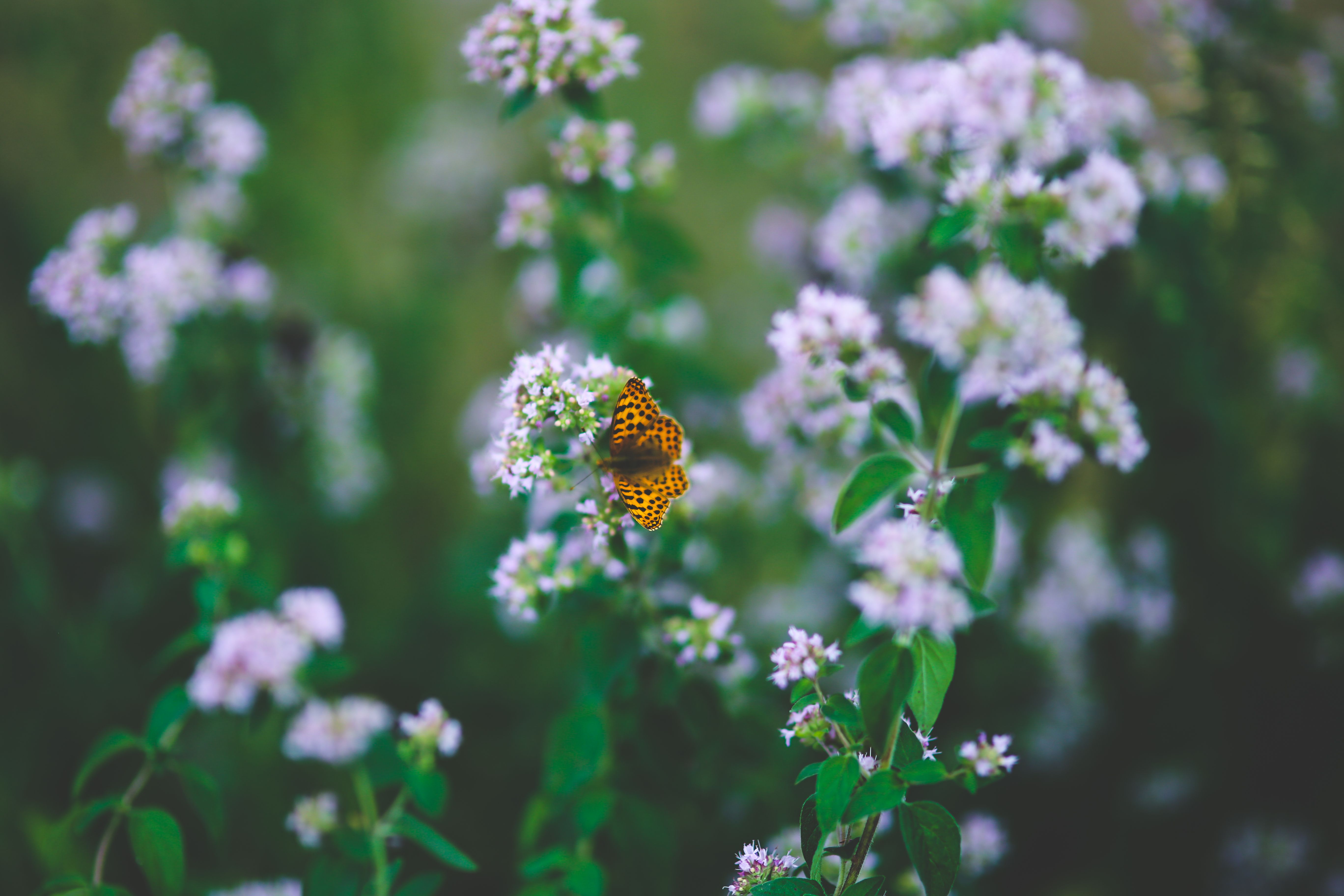
Oregano
The pizza spice — carvacrol, antimicrobial power, and the real limits of "oregano oil".
In 1 minute
What does it provide? Carvacrol (40–80% of the essential oil), thymol, and rosmarinic acid — antimicrobial, antioxidant, anti-inflammatory, and digestive-supportive.
How much? In the kitchen, 1–3 g dried leaf (≈ 1–2 tsp) daily; clinical oregano essential oil 200–600 mg standardized carvacrol per day, short-term.
When to avoid? Pregnancy with high-dose essential oil, alongside anticoagulants as a clinical supplement, concentrated essential oil on infants, Lamiaceae allergy, active gastric ulcer.
Oregano (Greek "oros ganos" = "joy of the mountains") is native to the mountainous regions of the Mediterranean — one of the classic spices of Greek-Roman cuisine. The goddess Aphrodite is said to have created oregano from a root to sweeten people's lives — for this reason, Greek weddings adorned bride and groom with oregano wreaths. Hippocrates recommended it for digestive complaints and respiratory illnesses; Pliny prescribed it for asthma patients. The classic "Greek seasoning" is based on oregano + pepper + salt + lemon.
Oregano's global spread came in the mid-20th century: after WWII, returning American soldiers brought home a taste for Italian pizza, and the "pizza spice" became part of the global fast-food kitchen. Modern phytochemical analysis identified carvacrol and thymol (a close relative of thyme's main bioactive) as the main antimicrobial components.
"Oregano oil" as a dietary supplement has been popular since the 2000s — Cary Stamatakos and other alternative clinics promoted it as a "natural antibiotic." Clinical evidence is robust in vitro (Pseudomonas, Staphylococcus, E. coli, Helicobacter pylori, Candida), in vivo human evidence is limited — small pilots (Force 2000, IBS-like symptoms) gave promising results, but no large RCT exists. By scientific consensus, the "natural antibiotic" claim is overstated. **(J Med Food, Phytother Res)
🔬 Scientific Background
Oregano essential oil is 40–80% carvacrol-dominant, complemented by thymol, p-cymene, γ-terpinene, and β-caryophyllene. Carvacrol is a phenolic monoterpenoid that disrupts bacterial cell membranes, causes mitochondrial dysfunction, and inhibits NF-κB — this explains the strong in vitro antimicrobial effect.
Its antimicrobial spectrum in vitro is very broad: effective against Gram-positive and Gram-negative bacteria (Staphylococcus, Streptococcus, Listeria, E. coli, Salmonella), Helicobacter pylori, Candida albicans, and some parasites (Giardia). In vivo human evidence is limited — Force 2000 (J Altern Compl Med) described partial improvement on a 6-week oregano oil protocol in subjects with gut parasites, but no large RCT exists.
Rosmarinic acid (a Lamiaceae-family polyphenol) is a good antioxidant, weaker antimicrobial.
Clinical use: oregano essential oil is used in carvacrol-standardized 200–600 mg/day form for short-term (max 4 weeks) regimens for minor IBS, candida, and upper respiratory complaints. Long-term use may cause liver stress.
At the microbiome level, oregano essential oil selectively reduces opportunistic pathogen proportions in vitro, but at high doses in vivo it can also harm commensals — so it is not an antibiotic substitute for routine treatment.
Safety: at culinary amounts (1–3 g dried leaf) it is absolutely safe. Clinical-dose oregano essential oil can cause GI irritation and liver enzyme elevation — medical supervision is advised.
- + Olive, lemon (Mediterranean matrix): classic Greek-Italian synergy.
- + Basil, rosemary, thyme, marjoram: classic "herbes de Provence."
- + Tomato (pizza, ragù): classic flavor synergy.
- + Cheese (feta, mozzarella, parmesan): Mediterranean component.
- + Meat marinade (lamb, chicken, fish): antimicrobial + flavor.
- + Legumes (lentil, chickpea): synergy + digestive support.
- Anticoagulants + high-dose oregano oil: theoretical additive bleeding risk.
- Diabetes medications + clinical supplement: theoretical hypoglycemia.
- Long boiling (30+ min high heat): essential oil evaporates — add toward the end of cooking.
- Concentrated essential oil on infants: strictly to be avoided (mucosal burn).
- During antibiotic treatment: theoretical commensal-damage synergy.
- With iron: rosmarinic acid may chelate: separate in time.
- Pregnancy with high-dose essential oil: uterine-stimulant potential.
- Concentrated essential oil on infants and small children: to be avoided.
- Lamiaceae allergy (basil, thyme, menthol): cross-reaction.
- Anticoagulant therapy: clinical supplement only under medical supervision.
- Active gastric ulcer: concentrated essential oil irritates.
- Severe liver disease: long-term clinical supplement with caution.
- Hypoglycemia tendency: monitor at high doses.
- Undiluted on skin: severe contact irritation risk.
Daily serving
1–3 g dried leaf (≈ 1–2 tsp) daily; clinical oregano essential oil 200–600 mg carvacrol/day short-term.
Preparation pattern
- Dried leaf: crumble and add mid-to-late in cooking.
- Fresh leaf: chop finely before serving.
- Oil infusion: fresh or dried oregano + extra virgin olive oil, 1–2 weeks standing.
- Clinical essential oil: in capsules, with food, for max 4 weeks short-term regimens.
Classic patterns
Pizza base: tomato sauce + oregano + mozzarella + olive oil.
Greek salsa: cucumber + tomato + feta + olive oil + oregano + lemon.
Italian ragù: beef + tomato + herbs (oregano + basil + rosemary).
Mediterranean fish: fish steak + olive oil + lemon + oregano + roast.
Storage and what not to do
Storage: dried leaf 1 year airtight, in a dark place; fresh leaf 1 week refrigerated wrapped in paper.
What not to do: don't apply concentrated essential oil topically to infants, don't boil for long at high heat, don't substitute oregano oil for an antibiotic in proven infection.
References
[1] Force M et al. Inhibition of enteric parasites by emulsified oil of oregano in vivo. Phytother Res 2000;14(3):213–214.
[2] Burt SA. Essential oils: their antibacterial properties and potential applications in foods — a review. Int J Food Microbiol 2004;94(3):223–253.
[3] Sienkiewicz M et al. The antibacterial activity of oregano essential oil against clinical strains of Escherichia coli and Pseudomonas aeruginosa. Med Sci Monit 2012;18(7):BR203–207.
[4] Bouhdid S et al. Functional and ultrastructural changes in Pseudomonas aeruginosa and Staphylococcus aureus cells induced by Origanum compactum essential oil. J Appl Microbiol 2010;109(4):1139–1149.
[5] EMA/HMPC. Origanum vulgare — herbal substance.
[6] Khalfa L et al. Carvacrol — mechanisms of action review. Phytother Res 2019.
[7] Veenstra JP, Johnson JJ. Oregano (Origanum vulgare) extract for food preservation and improvement in gastrointestinal health. Int J Nutr 2019.