


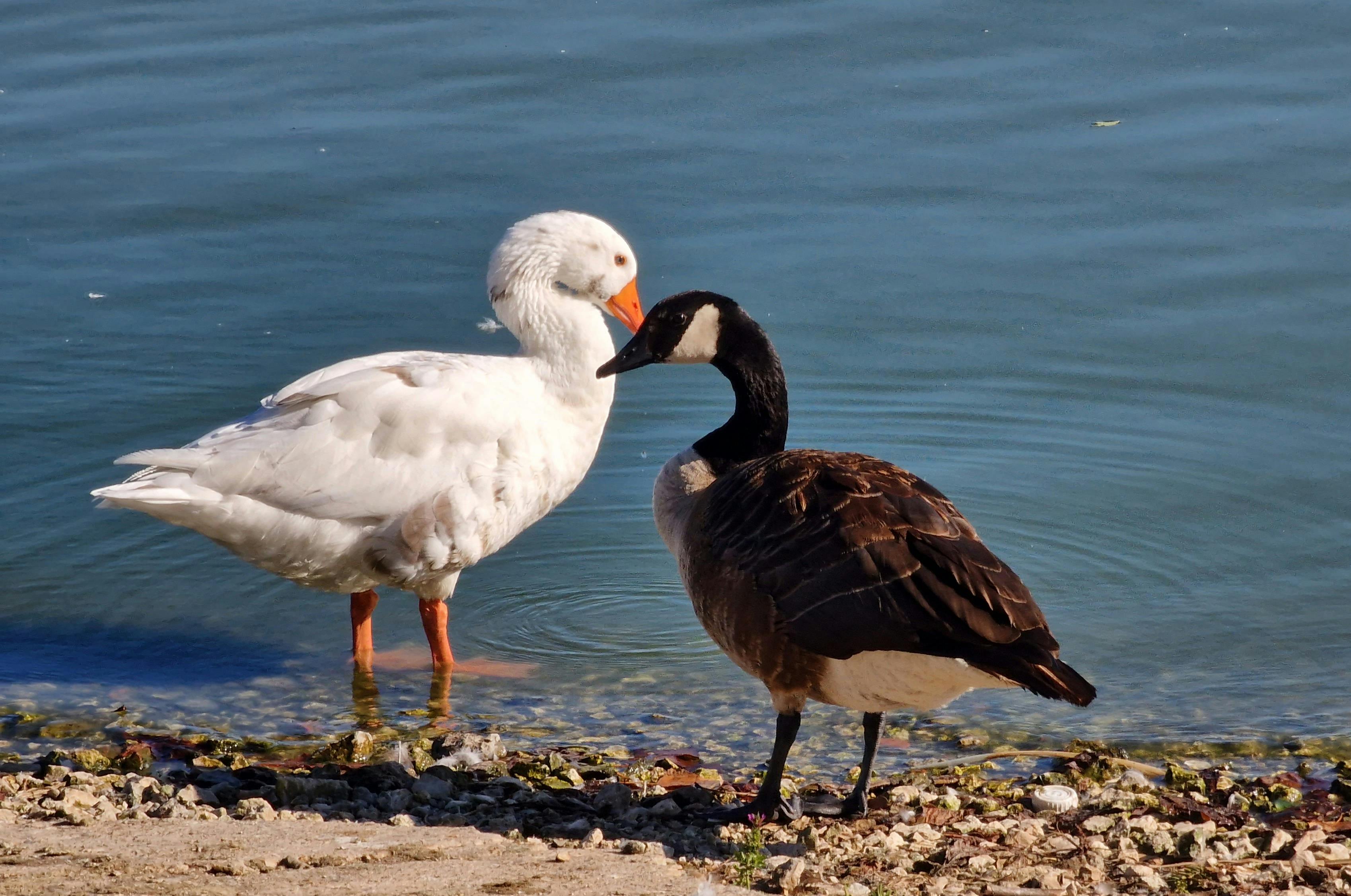
Duck and goose egg
The "big choline cup" — higher fat and choline content and the pre-chicken millennium context.
In 1 minute
What does it provide? High biological-value protein (12–14 g/100 g), outstanding vitamin B12 (5.1–5.4 µg/100 g, 5× the chicken egg — red blood cell formation, methylation), choline and phosphatidylcholine (lecithin — brain, liver, and emulsifying capacity, which is why brioche, sweet bread, and ravioli dough become especially creamy), folate (76–80 µg/100 g), and lutein-zeaxanthin (the yolk's intense color — macular protection).
How much? 1–3 per week, fully cooked. A duck egg is about 70 g (≈ 1.5 chicken eggs), a goose egg about 144 g (≈ 3 chicken eggs). Hard-boiled duck egg: 11–12 min boiling; goose egg: 14–15 min. Scale recipes accordingly in baking.
When to avoid? Always consume fully cooked — waterfowl have higher salmonella risk than chicken, so raw/soft-yolk/balut is forbidden in pregnancy, immunosuppression, in children <5 years, and the elderly; chicken egg allergy (80–90% ovalbumin sequence identity — cross-reaction common, IgE test needed); familial hypercholesterolemia (1 goose egg ≈ 1.2 g cholesterol); active gallstone attack or acute pancreatitis (high fat). Detailed contraindications in the dedicated section.
Waterfowl (duck, goose) domestication occurred in parallel with chickens in China (about 4000 years ago) and Egypt. Chinese Han dynasty (206 BCE – 220 CE) cookbooks already mention salt-cured duck egg (xian ya dan); the well-known "century egg" (pidan) is most typically made from duck egg — aged for weeks in a soda-lime-salt-tea mixture. Balut (developing duck embryo egg) is a classic dish of Philippine and Vietnamese street food.
In French and Central European cuisine, goose egg is an Easter and spring specialty: a single goose egg corresponds to 3–4 chicken eggs, and the yolk's lecithin content makes especially substantial brioche, sweet bread, and custard cream. In Central European peasant tradition, goose egg's rarity (a goose only lays 30–40 eggs a year, vs. 250–300 for a hen) made it a festive, reserved food. From the mid-20th century, the commercial role of duck and goose eggs strongly declined compared to chicken, but they are enjoying a renaissance in gourmet and ethnic cuisines.
🔬 Scientific Background
Duck and goose egg nutritional values per 100 g: duck egg ~185 kcal, 12.8 g protein, 13.8 g fat; goose egg ~185 kcal, 13.9 g protein, 13.3 g fat (vs. chicken egg 143 kcal, 12.6 g protein, 9.5 g fat — USDA). B12 content is outstanding: duck egg ~5.4 µg/100 g (≈ 2–3× the daily requirement), goose egg ~5.1 µg/100 g, vs. chicken egg ~1.1 µg/100 g. Folate content is also higher (duck ~80 µg, goose ~76 µg, vs. chicken ~47 µg). Cholesterol, however, is significantly higher: duck egg ~884 mg/100 g, goose egg ~852 mg/100 g, vs. chicken egg ~373 mg/100 g.
Because of the higher phospholipid and lecithin content, duck and goose eggs emulsify excellently: traditional French pâtisserie and Italian pasta-making (Bologna-style, yolk-rich dough) prize them. The taste is "more eggy," yolk color more intense (more carotenoids and xanthophylls — especially if the birds peck at aquatic plants). Heat-treated protein digestibility is similar to chicken egg (>90%).
Allergen profile: duck and goose ovalbumin, ovomucoid, and lysozyme amino acid sequences show 80–90% similarity to chicken — IgE cross-reactivity is therefore common, but NOT obligatory. Clinical case reports show some chicken-egg-allergic individuals can safely consume duck egg, and vice versa — individual IgE testing (component-specific, ovomucoid/Gal d 1) is recommended before provocation.
Salmonella risk is higher than for chicken egg: ducks and geese are waterfowl — they more often carry Salmonella enteritidis and S. typhimurium in their egg-producing organs. So full cooking/boiling is mandatory; raw or soft-yolk (carbonara, homemade mayo, sashimi-style) is forbidden in pregnancy, immunocompromised, and children.
- Baked goods (brioche, sweet bread, custard): more lecithin → finer crumb.
- Pasta-making (egg pasta, for ravioli): more intense yellow, richer flavor.
- Lasagna, carbonara: classic choice in Italy's Emilia-Romagna region.
- Chocolate cake, custard: creamier consistency from high fat content.
- Chinese salt-cured (xian ya dan): with rice, in congee.
- Mediterranean vegetables (tomato, pepper, eggplant): high fat content aids lycopene and carotenoid absorption.
- Other high-cholesterol foods (liver, brain, butter-cheese cream): a goose egg already provides 1.2 g cholesterol — don't add to it in one meal.
- Just the white, discarding the yolk: pointless — the value of duck/goose egg is precisely in the rich yolk.
- Raw in any form (see salmonella risk).
- Chicken egg allergy: caution — may be cross-reactive, but NOT obligatorily. Allergist + IgE testing or controlled provocation needed.
- Familial hypercholesterolemia, severe dyslipidemia: moderation due to high cholesterol (1 goose egg ≈ cholesterol of 3 chicken eggs).
- Pregnancy, immunocompromised (HIV, chemotherapy, elderly): only fully cooked. Balut and pidan (raw/semi-fermented) absolutely forbidden.
- Active gallstone attack, acute pancreatitis: high fat content worsens.
- Gout: avoid series-eating due to high purine in bird egg yolks.
- "Goose egg is fattier, therefore less healthy." Fat itself is not bad — egg fat is mostly unsaturated + phospholipid. In moderation, boiled, it's valuable.
- "Balut is an aphrodisiac." Folk belief, no evidence. Salmonella risk, however, is very real.
- "Pidan (century egg) is leaded because it's aged with lead." Modern industrial methods are lead-free (zinc oxide or soda-salt-tea cure). However, in old traditional versions lead contamination did occur — buy from quality sources.
- "Can't use in baking, too big." Quite the opposite: higher lecithin and fat content is a classic French and Italian pastry secret.
- Storage: refrigerated, 4–5 weeks. Duck egg shell is more porous — never wash under running water, just dry-wipe.
- Size conversion in baking: 1 goose egg ≈ 3 chicken eggs; 1 duck egg ≈ 1.5 chicken eggs. Scale recipes accordingly.
- Cooking time: duck egg hard 11–12 min boiling (vs. chicken 9–10); goose egg 14–15 min.
- Low-heat omelet: because of higher fat content, cook at lower temperature for longer — creamy texture.
- Chinese salt-cured duck egg: 50 g salt + 500 ml water + 1 star anise, 30 days setting. Yolk turns orange, denser.
- Never consume raw or with soft yolk (unlike chicken eggs, duck egg salmonella risk is substantially higher).