


Royal jelly
The "queen food" — 10-HDA royal acid, gerontology research, and serious allergy warnings.
In 1 minute
What does it provide? Unique 10-HDA fatty acid, MRJP proteins, royalisin (antimicrobial peptide), B-complex vitamins. Industrial quality varies greatly; reliable source is critical.
How much? Fresh royal jelly 250–500 mg/day, on an empty stomach, under the tongue. Lyophilized powder capsule 100–300 mg/day.
When to avoid? Bee allergy (anaphylaxis risk), pollen allergy, asthma, pregnancy (sparse data), breastfeeding infant under 1 year (botulism risk, as with honey — though rarer).
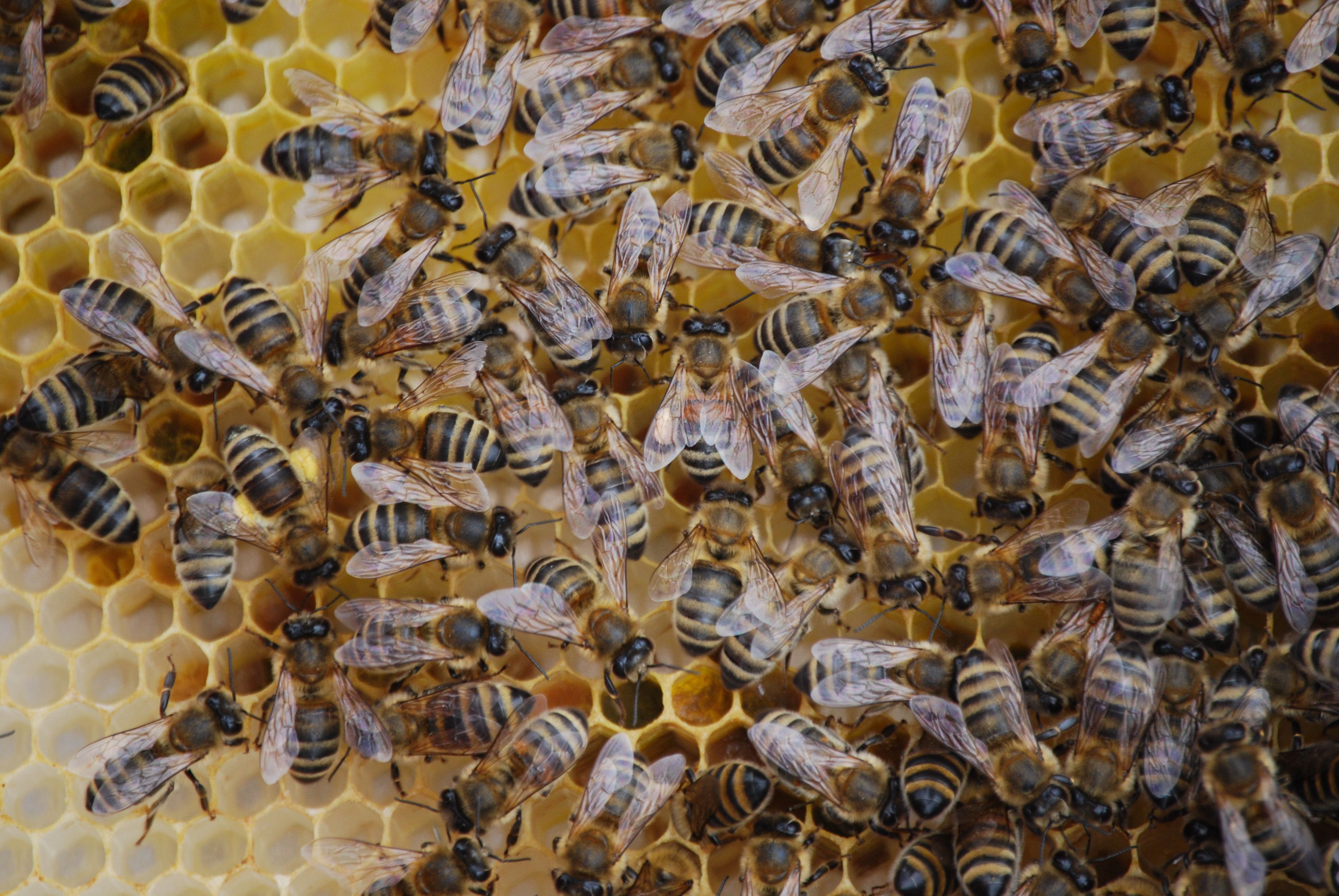
Royal jelly has been known since the ancient days of beekeeping: Aristotle mentions it in "Historia Animalium," but its chemical analysis began only at the end of the 19th century. "Royal jelly" is the exclusive food of queen bees, and it is precisely this nutritional difference (not genetics) that explains the enormous morphological differences between queen and worker castes — Kucharski (2008, Science) confirmed at the DNA methylation level: royal jelly exerts an epigenetic effect on larval development.
From the mid-20th century the "royal jelly = eternal youth" marketing began, especially in France and Japan. Pope Pius XII was reportedly treated with royal jelly during illness, giving international attention. 10-HDA, the royal-jelly-specific marker fatty acid, was described by Butenandt and Rembold in 1957. Modern clinical literature shows moderate evidence in metabolic, menopausal-symptom, and wound-healing areas, but marketing claims far outrun the science.
🔬 Scientific Background
Royal jelly composition: 60–70% water, 12–15% protein (including 9 main MRJP proteins), 10–16% carbohydrate, 3–6% fat (including the royal-jelly-specific 10-hydroxydecenoic acid, 10-HDA, which is the marker of fresh quality — 1.4–2% in fresh jelly, significantly less in expired samples). It also contains B-complex vitamins (especially B5, pantothenic acid), free amino acids, and trace mineral elements.
10-HDA has antimicrobial, anti-inflammatory, and epigenetic (DNA-methylation-modulating) effects in vitro — the latter mechanism explains the queen-bee determination phenomenon. Human clinical significance is moderate.
Clinical studies at moderate evidence level: - Menopausal symptoms: Asama (2018, Japanese RCT): 800 mg royal jelly daily over 12 weeks reduced hot flashes and mood symptoms. Strong meta-analysis missing. - Glycemic control: Pourmoradian (2014): 1 g daily over 8 weeks reduced HbA1c in T2DM — small n, replication needed. - Wound healing (topical): topical royal jelly matrix on foot ulcers gave faster epithelialization (Siavash 2014, controlled RCT). - Fertility, libido: animal data promising, human evidence sparse.
The "immunomodulating," "aphrodisiac," "eternal youth" marketing claims are not adequately supported by clinical literature.
Quality is critical: fresh or frozen royal jelly has 1.4–2% 10-HDA content; expired (or heat-treated) samples have below 0.3%. Reliable sources list 10-HDA content on the label.
Royal jelly's allergen risk is significant: anaphylaxis cases are documented, especially in asthmatic and pollen-allergic patients (Leung 1995, Audicana 1995). This is NOT a rare side effect — Australian regulation has required a mandatory warning label since 1999.
- + Honey (small amount) in yogurt: classic preparation matrix, dulls the strong bitter/sour flavor.
- + Lemon + warm water in the morning: on empty stomach, dissolved under the tongue — traditional form.
- + Bee pollen + propolis: "complete beekeeping package" concept, evidence examines these individually.
- + B-complex-vitamin-poor diet: royal jelly's B vitamin content is supplementary (but not therapeutic dose).
- + Antioxidant-rich diet (berries, green tea): synergistic oxidative stress reduction.
- Anticoagulants (warfarin, DOACs): in vitro platelet aggregation inhibition documented — additive bleeding risk.
- Antihypertensives: rare hypotensive interaction.
- Allergen-rich diet (peanut, walnut, fish) in anaphylaxis-prone individuals: additive allergen stress.
- Hot tea / hot honey matrix: 10-HDA is heat-sensitive (degradation > 60 °C); hot combination reduces clinical value.
- Inhaled corticosteroid in asthmatic patient + oral royal jelly: risk of allergen sensitization — on medical advice.
- Bee allergy, history of bee-sting anaphylaxis: absolute contraindication.
- Pollen allergy (especially Compositae, grasses): cross-reaction likely — on medical advice.
- Asthma (especially aspirin-sensitive or severe): anaphylaxis risk (Leung 1995, Audicana 1995).
- Pregnancy: sparse human data, hormonal-effect potential (phytoestrogen-like) — to be avoided.
- Breastfeeding infant under 1 year: botulism risk, as with honey (rarer but present).
- Hormone-sensitive tumor (breast, endometrium, prostate): estrogen-like effect of MRJP proteins debated — caution.
- 2 weeks before planned surgery: discontinue (bleeding risk).
Daily serving: fresh royal jelly 250–500 mg, on empty stomach, dissolved under the tongue.
Preparation patterns:
1. Fresh/frozen royal jelly under the tongue: classic, optimal bioavailability.
2. Teaspoonful honey + ¼ tsp royal jelly in yogurt: softer flavor.
3. Royal jelly capsule: convenient, but check 10-HDA content.
Classic patterns:
- Morning "activating" pattern: royal jelly + warm lemon water on empty stomach
- Honey + royal jelly tea (lukewarm, NOT hot): dulls bitter flavor
- Berry smoothie + ¼ tsp jelly: antioxidant matrix
Storage: fresh jelly refrigerated 6 months, frozen 2 years. Lyophilized (powder) in a dry, dark place at room temperature 2 years.
What not to do: don't add to hot drinks (> 60 °C 10-HDA degradation); don't give to infants under 1 year; don't believe "natural = safe" — anaphylaxis risk is real.