


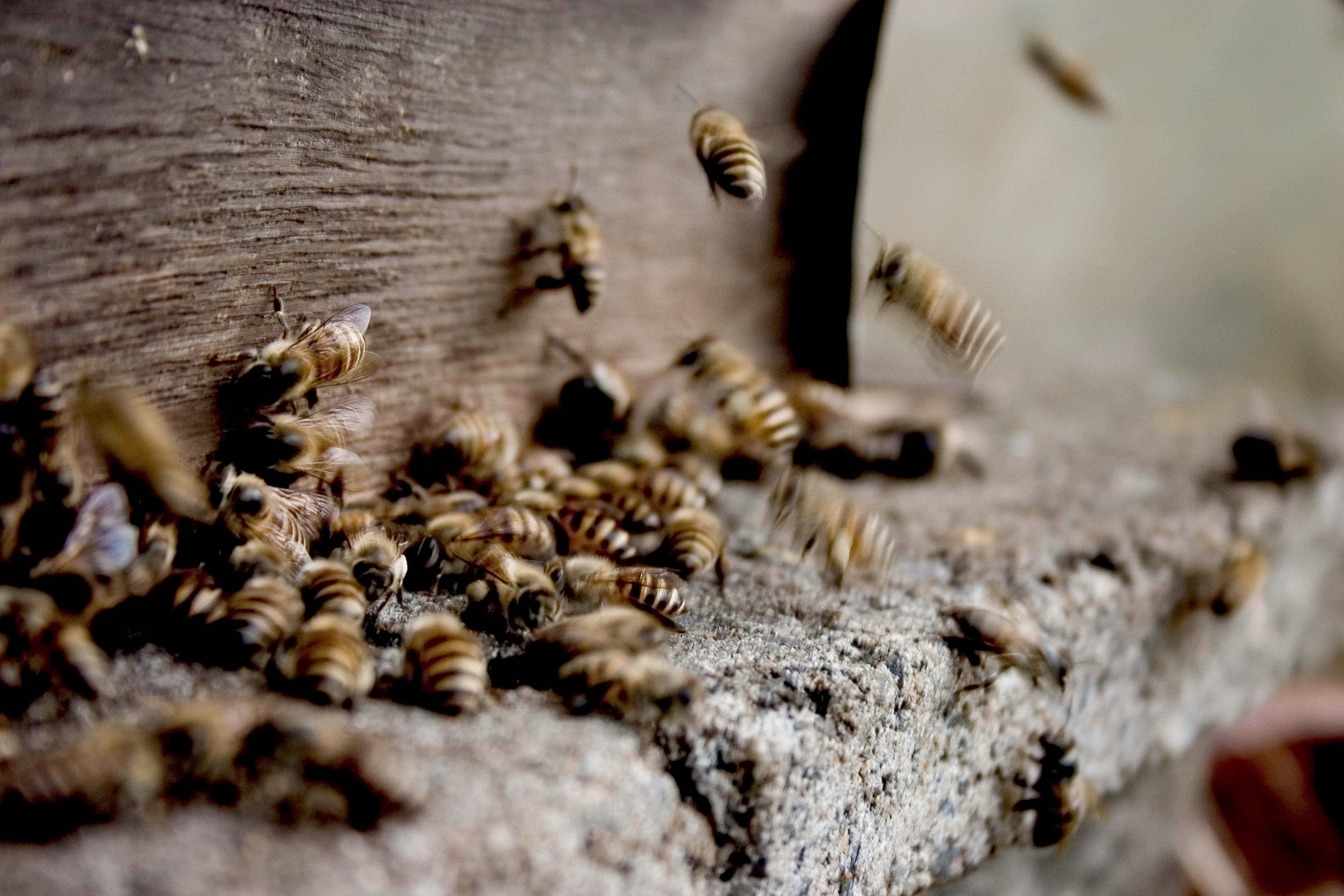
Propolis
The "hive bio-antibiotic" — caffeic acid phenethyl ester, wound healing, and the plant-resin origin.
In 1 minute
What does it provide? A "hive bio-antibiotic" made by bees from plant resins, wax, and enzymes — caffeic acid phenethyl ester (CAPE, strong NF-κB-inhibiting anti-inflammatory), with pinocembrin, galangin, and chrysin flavonoids, and in the Brazilian green variant artepillin C. Vynograd 2000 RCT: 3% propolis cream on genital herpes (HSV-2) healed as fast as or faster than aciclovir. Naidu 2020 meta: propolis mouthwash reduces chemotherapy/radiotherapy-induced mucositis. Topical and oral-cavity evidence is strong; systemic evidence is weaker.
How much? Tincture (30% alcoholic extract): for oral cavity 5–10 drops / 50 ml warm water, 3–4× rinse daily; for herpes topically 4× a day brush on at the first symptom. Systemic capsule: 250–500 mg/day with fat at mealtime (better absorption of lipophilic flavonoids).
When to avoid? Bee/bee-sting allergy, anaphylaxis history (absolute contraindication); aspirin-sensitive asthma (anaphylaxis risk); warfarin/DOACs (bleeding risk; discontinue ≥ 2 weeks before surgery); CYP substrates — statin, tacrolimus (drug level changes); infant <1 year (botulism risk, as with honey). Detailed contraindications in the dedicated section.
Propolis use is documented from ancient Egyptian mummy embalming (the word coined by Aristotle: "pro" = before, "polis" = city, the material found at the hive entrance) to Roman soldier wound care. Pliny wrote that bees plaster the hive interior with resin — its antimicrobial effect was known then. In medieval Eastern medicine (Avicenna) it was a surgical antiseptic; the 18th–19th century Russian army used it as "Russian penicillin" before WWI surgical pathology.
Modern propolis research started with Soviet and Eastern European groups in the 1960s; CAPE (caffeic acid phenethyl ester) isolation in 1988 (Grunberger) was a breakthrough — a simple small molecule with strong NF-κB inhibition. Brazilian green propolis (from the plant source Baccharis dracunculifolia) forms a separate category due to its artepillin C content. Propolis quality depends dramatically on the bee source's environmental plants.
🔬 Scientific Background
Propolis is a substance bees gather from plant bud and stem resins, mixed with wax and enzymes, used to seal hive gaps and "embalm" the corpses of invading insects. Its composition varies by environmental source: - European (from birch, poplar, willow): flavonoid-dominant (pinocembrin, galangin, chrysin, CAPE) - Brazilian green propolis (Baccharis dracunculifolia): artepillin C-dominant - Brazilian red propolis (Dalbergia ecastophyllum): isoflavonoid-rich (medicarpin)
CAPE (caffeic acid phenethyl ester) is one of the leading molecules of European propolis, with strong NF-κB-inhibitory, antioxidant, and antimicrobial effects in vitro. Human evidence is moderate.
Clinical evidence: - Herpes labialis (topical): Vynograd (2000, n = 90) RCT confirmed 3% propolis cream sped up herpes lesion healing similar to or better than aciclovir cream. Replicated in several small trials. - Oral mucositis (chemotherapy, radiation): propolis mouthwash (10–20%) reduces mucositis grade (Naidu 2020, meta-analysis). - Wound healing (foot ulcer, burn wound): propolis matrix gives faster epithelialization (Henshaw 2014). - H. pylori adjunct: small RCTs added to combined therapy show modest eradication improvement. - Allergic rhinitis: Brazilian propolis in small studies showed symptom reduction — replication needed.
Systemic capsule evidence is weaker than topical. The "good for everything" marketing claim is overstated.
Propolis allergen risk is significant: contact dermatitis is the most common side effect of topical use (1–3% incidence), especially in Europe. Pollen allergy and bee allergy carry systemic anaphylaxis risk.
- + Topical application + mouth rinse: oral mucositis and aphthous stomatitis local treatment.
- + Aciclovir cream (herpes): additive, possibly substitute (small studies).
- + Honey (local wound care): classic "bee product" matrix for wound healing.
- + Fat matrix (meal for systemic capsule): lipophilic flavonoid bioavailability boost.
- + Vitamin C (inflammation, antioxidant synergy): theoretical combination.
- Anticoagulants: in vitro platelet inhibition — additive bleeding risk.
- CYP substrates (warfarin, statins, tacrolimus): propolis flavonoids are CYP modulators — drug level changes possible.
- Inhaled corticosteroid in asthmatic + oral-cavity propolis: allergen sensitization risk.
- Hot drink (tea > 70 °C): flavonoids degrade, effect reduced.
- Strawberry-like contact-sensitivity skin + topical propolis: contact dermatitis flare.
- Bee allergy, history of bee-sting anaphylaxis: absolute contraindication.
- Pollen allergy (Compositae, willow, poplar): cross-reaction likely (source plants are allergens).
- Atopic dermatitis, history of contact dermatitis: topical propolis contact sensitization common (1–3%).
- Asthma (especially aspirin-sensitive): anaphylaxis risk.
- Pregnancy, breastfeeding: sparse human data — to be avoided, only on medical advice.
- Active hepatitis or elevated liver enzymes: systemic capsule use cautiously (CYP interaction, rare hepatotoxicity).
- 2 weeks before planned surgery: discontinue (bleeding risk).
Daily serving: tincture 5–10 drops/day for oral-cavity purposes; capsule 250–500 mg/day for systemic purposes.
Preparation patterns:
1. Topical herpes treatment: 3% propolis cream, 4× daily brushing on the lesion, at the first symptom.
2. Mouthwash for oral mucositis: 1–2 drops tincture in 50 ml warm water, 3–4× daily.
3. Aphthous stomatitis: 1 drop tincture directly on the canker sore, 2× daily.
4. Systemic capsule: during meals in a fat matrix (better bioavailability).
Classic patterns:
- Winter cold prevention: propolis-honey teaspoon in the morning (lukewarm)
- Wound care: propolis-honey matrix locally
- Sore throat: commercial propolis spray (20–30% extract)
Storage: tincture in dark glass, light-protected, at room temperature for 2 years. Raw propolis frozen is stable for years.
What not to do: don't add to hot drinks; don't apply to an open wound without patch testing (contact dermatitis risk); don't give to infants (botulism risk, as with honey — rarer but present).