


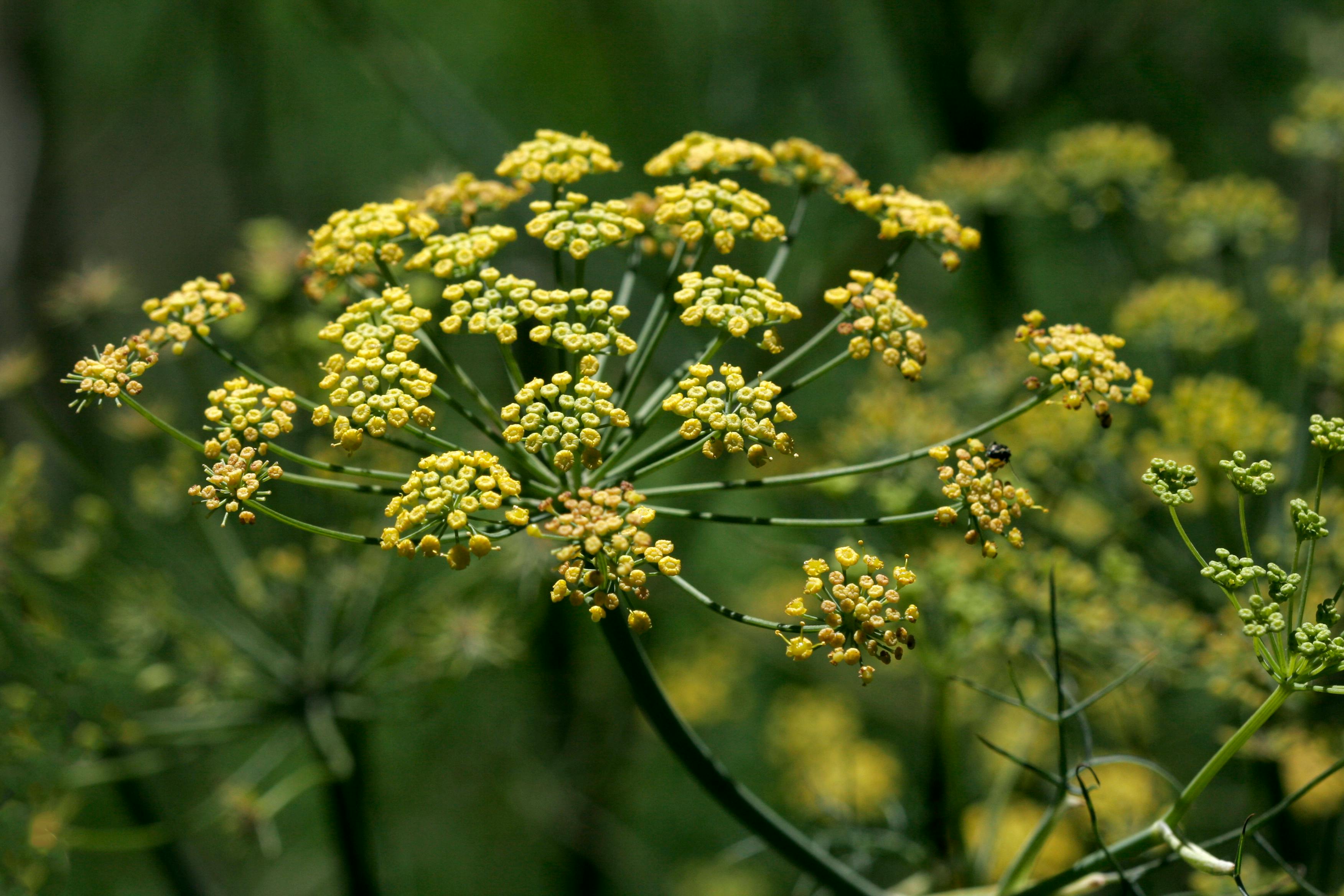
Asafoetida (Hing)
'The Indian-Iranian Ferula resin — a FODMAP-friendly onion-garlic substitute in IBS, with a ferulic-acid matrix and gut-modulating potential.'
- Latin name
- Ferula assa-foetida L. (Apiaceae) — dried resinous root exudate
- Main bioactives
- ferulic acid (main polyphenol), coumarin and coumarin derivatives (umbelliferone, asacoumarin), asaresinotannol (resin component), inorganic sulfur compounds (distinctive smell), volatile terpenes (α-pinene, β-pinene, ocimene)
- FODMAP
- 🟢 low (top tier of FODMAP-friendly spices — often specifically recommended in IBS diets)
- Evidence level
- ★ ★ (preclinical gastrointestinal motility and antimicrobial data; growing human IBS trials)
- Microbiota position
- moderate prebiotic + selective antimicrobial profile; Bifidobacterium modulation in animal studies, suppression of Bacteroides fragilis and gas-producing strains
- What does it provide?
- Asafoetida (also "hing" in Hindi, "anghouzeh" in Persian) is the dried resinous exudate from the root of Ferula assa-foetida. Active substances: ferulic acid (polyphenol, antioxidant + anti-inflammatory), umbelliferone (coumarin derivative, antimicrobial), asaresinotannol and inorganic sulfur compounds (the distinctive "devil's dung" smell — hence the Latin "foetida" = stinky). According to Mahendra (2012) review: digestion support, antispasmodic, IBS-symptom reduction. The carminative (gas-reducing) tradition is supported by clinical trials (Pruthi 2010).
- How much?
- In the kitchen, a pinch (≈ 50–200 mg) tossed into hot oil for 5–10 seconds (Indian "tarka" technique) — THIS IS ENOUGH for a 4-person serving. VERY strong flavor — overdosing makes the dish inedible. In clinical IBS trials, 250 mg standardized extract twice daily for 4 weeks (Kashani 2018).
- When to avoid?
- Apiaceae allergy (cross-reactivity with celery, caraway); coumarin sensitivity (clotting disorder, warfarin therapy); pregnancy at high doses (theoretical uterotonic data); bleeding disorder. Detailed contraindications in the condition-specific section. Culinary pinch is safe in healthy adults — EXCEPT in coumarin sensitivity.
Asafoetida is the resin of Ferula assa-foetida, native to the Persian-Iranian highlands and the Afghanistan-Pakistan borderlands. It appeared in the ancient Persian-Sassanid imperial kitchen as "anghouzeh"; Alexander's campaigns (4th century BCE) brought it to Europe, where it appeared in Roman cuisine as "laser" or "silphium successor" (ancient silphium went extinct — asafoetida took over its role, with similar onion-garlic-like flavor). The Latin "foetida" (= stinky) comes from the spice's distinctive sulfur smell — when cooked and crackled in oil, the flavor transforms into a pleasant onion-garlic-like umami.
In Indian cuisine (where it is known as "hing"), it spread during the first millennium — particularly among Jains and certain Hindu castes who do not consume onions and garlic for religious reasons, making asafoetida's substitute role foundational. Ayurvedic texts ("Susruta Samhita") mention it as a digestion-supporting, gas-reducing agent. Modern late-20th-century phytotherapy (Mahendra 2012 Pharmacogn Rev) provided detailed bioactive-profile analysis: a matrix of ferulic acid, umbelliferone, asaresinotannol, and volatile terpenes explains the traditional indications. IBS research in the 2010s (Pruthi 2010, Kashani 2018) clinically confirmed the IBS-symptom-reducing potential. Modern relevance: in low-FODMAP diets, asafoetida is one of the few spices that provides an onion-garlic flavor matrix without triggering IBS symptoms due to fructan content — enormous practical value for IBS patients. (Mahendra 2012; Pruthi 2010; Kashani 2018)
🔬 Scientific Background
Asafoetida resin is a complex chemical matrix: ≈ 40–60% resin component (ferulic acid esters, asaresinotannol), 20–30% gum (polysaccharide), 10–20% essential oil (sulfur compounds, terpenes). The distinctive odor is due to inorganic di- and polysulfide compounds — when cooked, these transform into a pleasant onion-garlic-like flavor (Maillard-like reaction + sulfur compound transformation).
Ferulic acid (4-hydroxy-3-methoxycinnamic acid) is a strong antioxidant (lipid peroxidation inhibition, NF-κB modulation), and in vitro stabilizes the gut barrier (claudin and occludin expression modulation). Umbelliferone and asacoumarin-type compounds show antimicrobial activity against E. coli, Salmonella, Helicobacter pylori, and Candida albicans — sparing commensal Lactobacillus and Bifidobacterium strains.
Clinical IBS trials: Pruthi (2010) and colleagues gave 60 IBS patients standardized asafoetida extract 250 mg twice daily for 4 weeks — significant improvement in abdominal discomfort, bloating, and bowel transit parameters versus placebo. Kashani (2018) confirmed similar results in Tehran. Mechanism: (1) intestinal smooth-muscle antispasmodic effect (ferulic acid modulates calcium-channel function), (2) anti-inflammation, (3) selective antimicrobial profile — suppression of fermentation gas-producing strains.
FODMAP relevance: asafoetida is fructan-free — unlike onion (high fructan) and garlic (extremely high fructan) — making it specifically recommended in low-FODMAP diets as a flavor substitute. The Monash University FODMAP database explicitly approves small amounts (a "pinch", ≤ ¼ tsp during cooking). The use of "hing" for IBS patients is a huge practical blessing — providing onion-garlic flavor without bloating.
Blood effects: umbelliferone and coumarin derivatives are theoretically anticoagulant — although asafoetida content is low, caution is warranted in warfarin therapy. Mahendra (2012) reports weak in vitro antiplatelet data.
At the microbiome level, asafoetida exerts a moderate selective effect: it decreases the proportion of Bacteroides fragilis and pathogenic Enterobacteriaceae, sparing Bifidobacterium and Lactobacillus strains. Animal data are pronounced; human data limited — but the clinical IBS-symptom reduction is consistent.
- + Hot oil/ghee ("tarka" technique): essential oils and aromas dissolve — a pinch of asafoetida + hot oil for 5–10 sec + immediately add to the dish. The components transform.
- + Legumes (chickpeas, red lentils, mung beans): classic Indian dal matrix — asafoetida reduces the intestinal gas caused by legumes (carminative effect).
- + Cumin seed, coriander powder, turmeric: classic South Asian spice quintet — synergistic antioxidant and digestion-supporting profile.
- + Low-FODMAP diet context: as onion-garlic substitute — base of soups, stews, sauces for IBS patients.
- + Zucchini, tomato, pepper (nightshade) curry matrix: classic Indian vegetable curry.
- + Fresh cilantro, lime juice, yogurt as finish: balances the strong aroma, rounds out the flavor.
- Anticoagulants (warfarin, DOACs, aspirin, clopidogrel) + high-dose asafoetida: coumarin content + mild antiplatelet effect — additive bleeding risk. Culinary pinch is safe; clinical supplement dose (250+ mg/day) requires consultation.
- CYP3A4 substrates at clinical supplement doses: in vitro CYP-enzyme modulation — possible drug-level changes.
- Anticonvulsant therapy: traditionally considered antiepileptic; modern data lacking, exercise caution.
- Raw eggs or raw meat (food safety): asafoetida contains small amounts of coumarin, safe when cooked.
- Apiaceae-allergic patients (carrot, celery, cilantro): cross-reactivity.
- Overdose (1+ tsp at once): inedibly strong aroma + GI irritation.
- Apiaceae (umbellifer) allergy: cross-reactivity with celery, caraway, cilantro, anise — avoid.
- Coumarin sensitivity, warfarin therapy: asafoetida contains coumarins — additive anticoagulant. Clinical supplement dose to be avoided; culinary pinch is generally safe, INR monitoring advised.
- Bleeding disorders, hemophilia, severe thrombocytopenia: clinical supplement dose to be avoided.
- 2 weeks before planned surgery: clinical supplement dose to be avoided.
- Pregnancy: dietary pinch is safe. Clinical dose to be avoided — theoretical uterotonic data, traditionally mentioned as an abortifacient in some texts.
- Breastfeeding: culinary pinch is safe. Clinical supplement dose to be avoided — limited human data.
- Infants (< 12 months): clinical supplement not recommended. Pinch in food in an infant-free matrix.
- Hypotension: animal data show moderate blood-pressure-lowering effects — additivity with antihypertensives.
- Adulteration risk (diluted with resin or starch): avoid cheap, unverified sources. Authentic Iranian or Afghan "pure hing" preferred.
- Active epilepsy: conflicting traditional and modern data — uncertain area, exercise caution.
"Asafoetida smells terrible, so it must be low quality." ❌ The distinctive sulfur smell is characteristic of raw asafoetida, and is actually a marker of authenticity (the foetida = stinky name is rightly earned). When cooked and crackled in oil (tarka), the aroma transforms into a pleasant onion-garlic umami. "Mild" asafoetida from a pure source is likely diluted (with resin, starch).
"Asafoetida = onion-garlic substitute in every respect." ❌ Partly true, partly a myth. In flavor profile AND FODMAP terms it's an excellent substitute — BUT it doesn't provide the same full-spectrum moisture and texture. Combining with tomato can approximate the flavor, but texture differs.
"Asafoetida is enough added once for long cooking." ❌ Classic mistake. Active compounds are volatile — traditional Indian practice: a pinch of asafoetida in hot oil for 5–10 sec + immediately add to the dish. Long cooking exhausts its flavor.
"Starch-blended 'hing' is equally effective." ❌ Many hing products on the market are 30–70% compounded (gum arabic, rice flour, or wheat starch) — actual asafoetida content is 30–70%. Pure asafoetida is more expensive but stronger and cleaner. Health-wise, the compounded version has less coumarin but may add gluten and allergen exposure (wheat starch to avoid in celiac).
"Asafoetida cures IBS." ❌ Overstated. Clinical trials show SYMPTOMATIC improvement — bloating, abdominal discomfort, gas reduction. IBS is a multifactorial disease, and asafoetida is a symptomatic adjunct, NOT a complete cure.
"Asafoetida replaces onion perfectly flavor-wise." ❌ Partly. Hing heated in oil is distinctly onion-garlic-like, while maintaining low-FODMAP status. It doesn't replace the texture of caramelized onion — but for FODMAP-sensitive eaters, the flavor is approximated.
"Asafoetida's smell has a 'devilish' origin." ❌ The Latin "foetida" (stinky) and English "devil's dung" come from the strong smell of raw resin — but the cooked product's flavor is mildly pleasant onion-garlic. The "raw smell = bad quality" idea is a myth.
🍳 Kitchen Protocol
Daily serving (culinary): a pinch (≈ 50–200 mg, ¼–½ tsp maximum) for a 4-person serving.
The "tarka" base technique (KEY): 1. Hot oil/ghee (≈ 150 °C) — in India, mustard seed oil, classically also ghee. 2. Pinch of asafoetida powder + optionally cumin seed, mustard seed — crackle for 5–10 sec. 3. IMMEDIATELY pour onto the dish (vegetables, legumes, soup). 4. Maximum 10–15 sec of active heating — volatile compounds shouldn't burn.
Classic patterns: 1. Dal (red-lentil stew): red lentils + turmeric + cooking → tarka with asafoetida + cumin at the end. 2. Curry base (low-FODMAP): asafoetida + tomato + turmeric + ginger + curry spices — onion/garlic substitute. 3. Chana masala (chickpea curry): classic Indian matrix, with a pinch of asafoetida. 4. Sambar (South Indian vegetable soup): tamarind + red lentils + asafoetida. 5. IBS-friendly low-FODMAP soup: hot oil base + pinch asafoetida + carrot + celeriac (low-FODMAP celeriac) + chicken bone broth. 6. Pickles: classic ingredient in Indian mango pickle.
Storage: airtight glass jar, dark, cool place. Reliably sealed — the smell escapes onto other spices. Pure asafoetida lasts 6 months to 1 year, compounded version longer (3 years) but weaker.
What not to do: don't cook for 30+ min (aroma fully transforms-disappears). Don't put in the fridge (humidity damages the powder). Don't use too much — 1 tsp is inedibly strong. Don't store in the same drawer as sensitive aroma spices (vanilla, saffron) — the asafoetida smell "sticks" to them.
📚 References (selected)
- Mahendra P, Bisht S. Ferula assa-foetida: traditional uses and pharmacological activity. Pharmacogn Rev 2012;6(12):141–146. - Pruthi R et al. Effect of asafoetida on irritable bowel syndrome symptoms: a randomized, double-blind, placebo-controlled trial. Curr Topics Nutraceutical Res 2010. - Kashani MS et al. Aqueous extract of Ferula assa-foetida in the treatment of patients with irritable bowel syndrome: a clinical trial. Iran J Med Sci 2018. - Iranshahi M. A review of volatile sulfur-containing compounds from terrestrial plants: biosynthesis, distribution and analytical methods. J Essent Oil Res 2012;24(4):393–434. - Bagheri SM, Rezvani ME, Vahidi AR. Anticonvulsant effect of Ferula assa-foetida oleo-gum-resin on chemical and amygdala-kindled rats. N Am J Med Sci 2014;6(8):408–412. - Amalraj A, Gopi S. Biological activities and medicinal properties of Asafoetida: A review. J Tradit Complement Med 2017;7(3):347–359. - Monash University FODMAP database — asafoetida classification (low FODMAP). - WHO Monographs on Selected Medicinal Plants — Ferula species safety review. - Iranshahy M, Iranshahi M. Traditional uses, phytochemistry and pharmacology of asafoetida (Ferula assa-foetida oleo-gum-resin) — a review. J Ethnopharmacol 2011;134(1):1–10.