

Cacao / dark chocolate (≥70%)
From the Olmec-Aztec "xocolatl" to the EFSA endothelial claim — the earthy treat of a flavanol concentrate.
In 1 minute
What does it provide? Flavan-3-ol polyphenols — epicatechin and B-type proanthocyanidins (the colonic microbiome breaks them into phenolic acids and valerolactone metabolites, supporting endothelium-dependent vasodilation), methylxanthines (theobromine ≈ 1–2%, caffeine ≈ 0.1–0.3%), magnesium, iron. EFSA health claim: 200 mg cocoa flavanols/day support endothelial function. COSMOS trial (Sesso 2022): ≈ 21,000 older adults, 500 mg flavanols/day for 3.6 years → 27% relative cardiovascular mortality reduction. Tzounis 2011 RCT: prebiotic-like Bifidobacterium and Lactobacillus increase over 4 weeks.
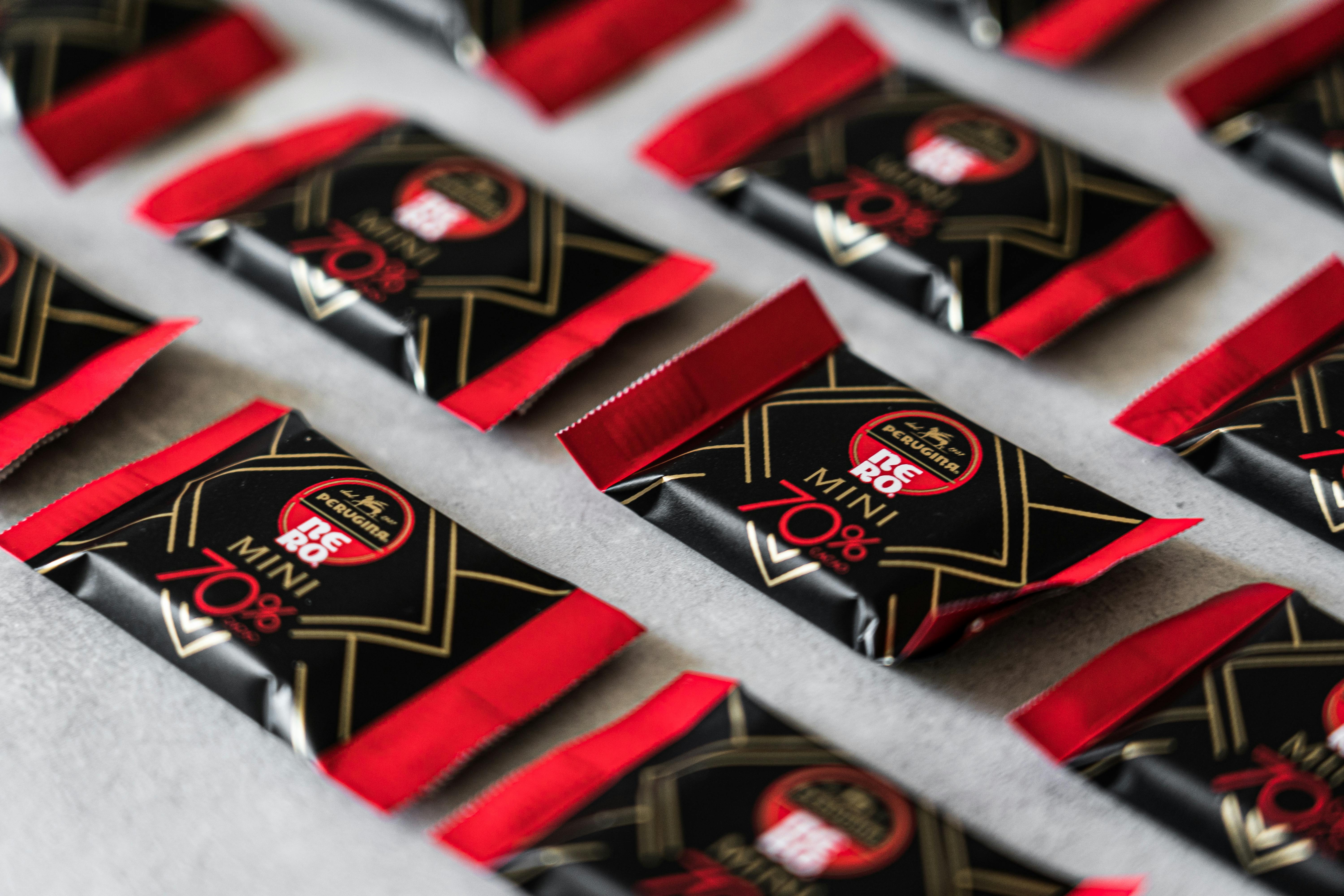
How much? Dark chocolate (≥ 70% cacao): 20–30 g/day (≈ 2–3 squares). Non-alkalized ("natural"/"unsweetened") cocoa powder: 5–10 g/day in smoothies or yogurt. Alkalized ("Dutched") powder has 60–90% less flavanol; milk chocolate is essentially ineffective.
When to avoid? Calcium oxalate kidney stone tendency (high oxalate), reflux disease and gastric ulcer flare (relaxes the lower esophageal sphincter), migraine trigger sensitivity, histamine intolerance, large amounts in pregnancy (caffeine + theobromine), late-stage CKD (potassium), gout (moderate purine). Dogs, cats, and horses NEVER — theobromine is lethally toxic.
The cradle of cacao cultivation and consumption is Mesoamerica: the Olmec-Maya-Aztec cultures drank a spiced, frothy cacao beverage called "xocolatl" ("bitter water") at religious and social occasions — revered as the divine drink of Maya gods. The Aztec emperor Montezuma reportedly drank 50 golden goblets of frothy xocolatl per day, and the cacao bean also served as currency: 100 cacao beans were exchanged for a rabbit at markets. Hernán Cortés brought the first barrel of cacao beans to the Spanish royal court in 1528; sweetened with sugar, vanilla, and spices, it became a noble courtly drink, then the chocolate house fashion (London, 1657) spread through 17th-century Europe. Historical reviews and museum sources well document the special status of cacao (currency, aphrodisiac, ritual drink) among the Aztecs.
The 19th century birthed modern chocolate: the Dutch Coenraad van Houten discovered the cacao press and "Dutching" alkalinization in 1828 (making cocoa powder smooth and soluble); Swiss Daniel Peter mixed the first milk chocolate with Henri Nestlé's condensed milk in 1875, and Rodolphe Lindt invented conching in 1879 — making chocolate finally velvety. So the ancient Aztec gods' bitter water became one of the world's most beloved sweets today, while cacao's ancient special status lives on in historical sources. (PMC, Smithsonian Magazine)
🔬 Scientific Background
The main bioactive components of products made from cacao (Theobroma cacao) beans are flavan-3-ols (epicatechin, catechin), B-type proanthocyanidins (B2, C1, A2), and methylxanthines (theobromine, caffeine). Dark chocolate is typically ≥ 70% cacao; higher cacao percentages correlate with higher flavanol and lower sugar content. PMC
Clinical evidence is robust. EFSA endothelial claim: 200 mg cocoa flavanols/day support the maintenance of endothelium-dependent vasodilation — an official health claim. EFSA In the underlying human RCTs, endothelium-dependent vasodilation (FMD) improves measurably within 2 hours of flavanol intake. COSMOS trial (Sesso 2022, AJCN): ≈ 21,000 older adults, 3.6 years, 500 mg cocoa flavanols/day — a 27% relative reduction in cardiovascular mortality (secondary endpoint; primary composite CVD events did not reach significance). PubMed
At the microbiome level, in a 4-week human RCT (Tzounis 2011, AJCN), cocoa flavanols increased Bifidobacterium and Lactobacillus proportions, decreasing some opportunistic groups — a prebiotic-like effect. Most flavanols and proanthocyanidins are not absorbed in the small intestine; the colonic microbiome converts them to smaller phenolic acids and valerolactone metabolites (e.g., 5-(3′,4′-dihydroxyphenyl)-γ-valerolactone). PMC
On cognitive endpoints, the Mars-Brain Study (Sloan 2021, Sci Rep) and Brickman 2014 (Nat Neurosci) showed moderate memory improvement over 12 weeks with high-dose flavanols (≥ 750 mg/day) in older adults. PNAS
- + Walnut, almond, Brazil nut: fat synergy for polyphenol bioavailability + selenium synergy.
- + Berries (strawberry, blueberry, raspberry): anthocyanin + flavanol = combined polyphenol matrix.
- + Live cultures (yogurt, kefir): synbiotic pattern along the polyphenol-microbiome axis.
- + Olive oil (dark chocolate sauce): Mediterranean polyphenol synergy.
- + Plant milk (coconut, almond) for golden milk: turmeric + cacao + pepper evening warmer.
- + Citrus / lemon peel: flavanol stabilization + flavor harmony.
- Milk (in large amounts) when targeting flavanol: debated — some studies say milk reduces urinary metabolite excretion, while others say not. For maximum flavanol effect, use water or a low-protein matrix.
- High heat (≥ 100 °C for long): flavanol degradation — cold or moderately warm use is better (smoothie, sauce, baking batter).
- Alkalized ("Dutched") cocoa powder when targeting flavanol: up to 60–90% flavanol loss. Buy "natural"/"unsweetened" cocoa powder.
- Simultaneous calcium supplement: cacao oxalate + calcium = chelation, calcium absorption can decrease.
- Iron supplementation with flavanol concentrate simultaneously: tannin chelation — separate in time ≥ 2 hours.
- Large servings of milk chocolate as a "flavanol-targeted" form: too much sugar and saturated fat can offset the benefits.
- Kidney stones, calcium oxalate stone tendency: cacao is high-oxalate — large amounts to be avoided.
- Pregnancy, breastfeeding (in large amounts): because of caffeine + theobromine combined load, moderate 30 g/day dark chocolate is OK, but 100+ g daily is borderline.
- Reflux disease, gastric ulcer flare: cacao relaxes the lower esophageal sphincter — can worsen symptoms.
- Migraine sensitivity: can be a trigger for some patients.
- Severe kidney disease (late CKD): high potassium content.
- Gout: moderate purine — in moderation.
- Migraine / histamine sensitivity: may trigger.
- Dogs / cats / horses: theobromine is TOXIC — human dark chocolate should not be near pets.
Daily serving
Dark chocolate (≥ 70%): 20–30 g/day (≈ 2–3 squares). Non-alkalized cocoa powder: 5–10 g/day in smoothies, yogurt, or oatmeal.
Preparation pattern
- Buy ≥ 70% cacao dark chocolate and/or "natural"/non-alkalized cocoa powder.
- Cold or moderately warm use (≤ 80 °C) — for hot cocoa drinks, just barely warm.
- Store in a dark, cool place.
Classic patterns
"Gut-Buddha bowl" dessert: Greek yogurt + 2 tbsp cocoa powder + walnut + berries + drop of honey.
Cacao golden milk: plant milk + cocoa powder + turmeric + pepper + ginger — evening warmer.
High-flavanol smoothie: banana + cocoa powder + walnut + spinach + plant milk.
Mexican mole sauce: traditional, cocoa powder + chili + pepper + seeds + tomato.
Dark chocolate + Brazil nut: 2 squares dark chocolate + 1 Brazil nut → selenium + flavanol + fat synergy.
Storage
Dark chocolate: room temperature 12 months, cool fixed temperature 18 months. Cocoa powder: cool, dark, airtight 12 months. Do NOT store refrigerated — condensation on the surface (white patina appearance).
What not to do
Do NOT heat long at high temperatures (flavanol degradation). Do NOT replace total polyphenol intake with sugary milk chocolate. Do NOT give to pets — theobromine is TOXIC. Do NOT routinely store refrigerated.
References
[1] EFSA NDA Panel. Scientific Opinion on the modification of the authorisation of a health claim related to cocoa flavanols and maintenance of normal endothelium-dependent vasodilation. EFSA Journal 2014.
[2] Sesso HD et al. Cocoa flavanols and the risk of cardiovascular events in older adults (COSMOS). AJCN 2022;115(6):1490–1500.
[3] Tzounis X et al. Prebiotic evaluation of cocoa-derived flavanols in healthy humans by using a randomized, controlled, double-blind, crossover intervention study. AJCN 2011;93(1):62–72.
[4] Brickman AM et al. Enhancing dentate gyrus function with dietary flavanols improves cognition in older adults. Nat Neurosci 2014;17(12):1798–1803.
[5] Sloan RP et al. Cognitive and cardiovascular effects of dietary flavanols. Sci Rep 2021;11:3837.
[6] Reichardt N et al. Phenolic metabolites from gut microbiota: implications for chronic disease. Food Funct 2018;9(2):1135–1146.
[7] Miller KB et al. Impact of alkalization on the antioxidant and flavanol content of commercial cocoa powders. J Agric Food Chem 2008;56(18):8527–8533.
[8] Heiss C et al. Vascular effects of cocoa flavanols. AJCN 2019.
[9] Smithsonian Magazine. A Brief History of Chocolate.
[10] Coe SD, Coe MD. The True History of Chocolate. Thames & Hudson, 2013.