


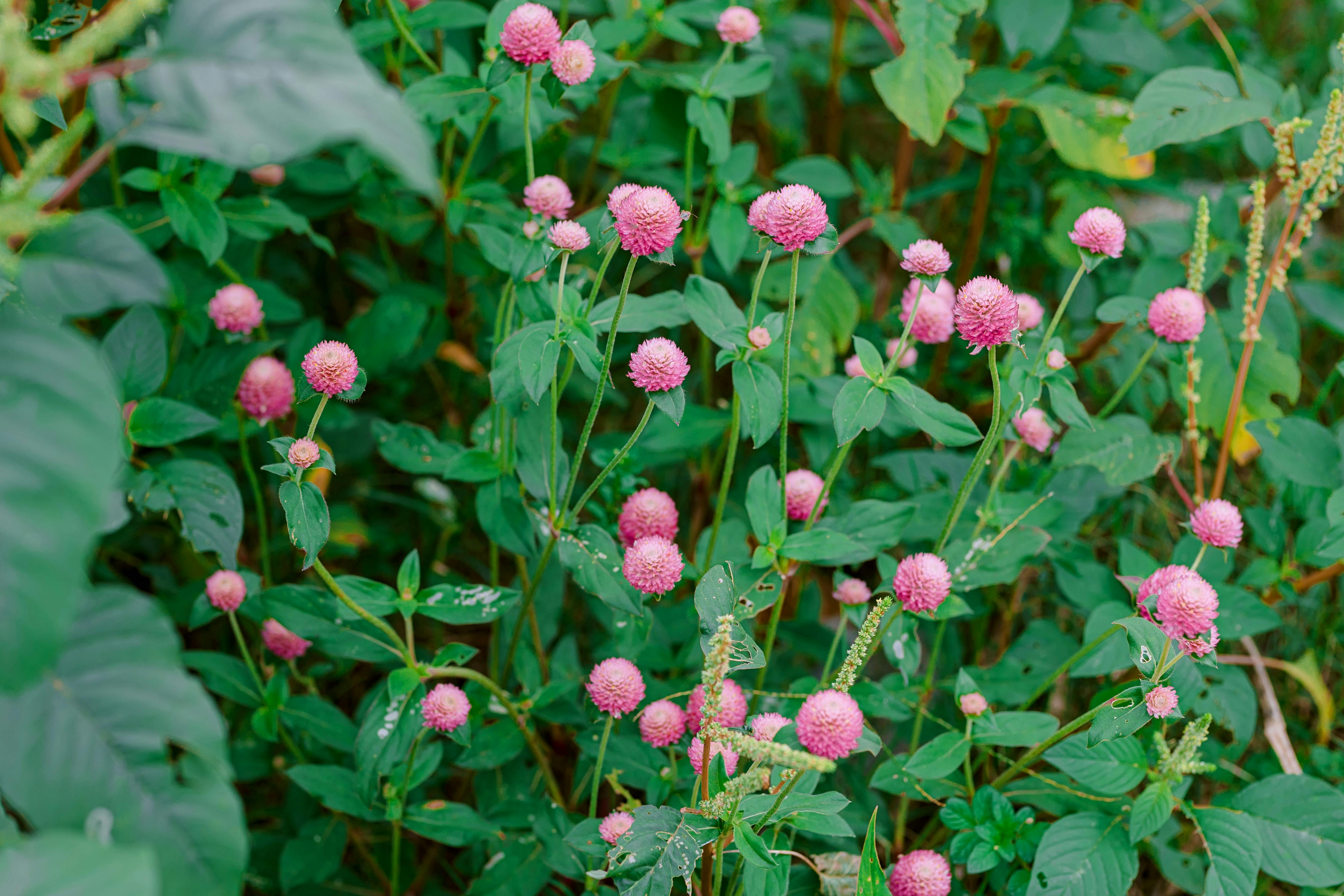
Amaranth
The Aztecs' "devil's grain" — squalene, high lysine, gluten-free pseudocereal.
Amaranth in 1 minute
What does it provide? Complete protein with high lysine content, soluble + insoluble fiber, polyphenols (phenolic acids, flavonoids), squalene (an unsaturated triterpene hydrocarbon — the precursor of cholesterol and steroid hormone biosynthesis, antioxidant, rare plant source — after olive, amaranth is the richest), Ca, Fe, Mg. Naturally gluten-free pseudocereal.
How much? 60–80 g dry (~1 cup cooked) 2–4×/week, or 2–3 tbsp popped amaranth as a muesli topping. (Note: human RCT evidence is limited; the clinical effect literature is mainly based on animal and in vitro studies — see Scientific Background.)
When to avoid? Oxalate kidney stone predisposition (moderate oxalate), processing cross-contamination for celiacs, confirmed amaranth allergy (very rare).
Amaranth is one of the most ancient and sacred crops of the American continent, domesticated independently in at least three places: in Central America (A. cruentus and A. hypochondriacus, about 6,000–8,000 years ago) and in the Andes (A. caudatus). The earliest domesticated seeds were found in the Mexican Tehuacán Valley, where amaranth was simultaneously a staple food and a ritual plant. The Aztecs called it "huautli," and it had an even more important role in their religious life: at the festival of the god Huitzilopochtli, amaranth seeds mixed with honey and sometimes human blood were formed into god statues, then eaten after the official ceremony — according to the records, this was one reason why Cortés's soldiers branded it the "devil's grain." After 1521, Spanish colonial authorities prohibited its cultivation under penalty of death, and tried to destroy every existing amaranth seed.
Amaranth survived only in remote Mexican and Andean mountain communities, where it was secretly continued to be grown. In the mid-20th century, the Rodale Institute, a pioneering research institute of the American organic movement, rediscovered it, and from 1975 its global market return began with the "from forgetfulness back" program. In the 21st century, it has been bought back worldwide for its high protein and lysine content, gluten-free nature, and polyphenol richness, and its cultural transfer is spectacular: in Central European cuisine it has also appeared as a popped amaranth bar, gluten-free flour, or sourdough pastry base.
Scientific Background
Amaranth is a pseudocereal — belongs to the Amaranthaceae family (related to spinach, beet, chard), not a grass (Poaceae), so it is naturally gluten-free. Molecular and immunochemical studies (Bressani 2003, Berghofer 2003) found it safe in celiac disease (≤ 20 ppm equivalent "gluten-reactive" proteins).
High lysine: among grains/pseudocereals, amaranth is almost unique in its high lysine content (≈ 6 g/100 g protein) — making up for the typical limiting amino acid of classic grains. This is what makes it a complete protein source.
Squalene: amaranth seed and especially amaranth oil is a rare plant squalene source (≈ 6–8% in the oil). Squalene is the precursor of human steroid synthesis — has skin emollient effect, and small human studies suggest antioxidant + immune-modulating potential.
Polyphenols: phenolic acids (gallic acid, rutin), flavonoids, betalains (especially in A. cruentus red varieties). In in vitro human colonic fermentations they produced diversity increase and SCFA formation — prebiotic potential.
Human evidence:
- Non-randomized pilot: diet supplemented with popped amaranth in undernourished children showed favorable gut microbiota change (Akkermansia muciniphila ↑).
- In vitro human stool fermentation: amaranth fiber is fermentable substrate, with diversity increase.
- LAB-fermented amaranth drinks show antioxidant activity increase.
RS3 yield is low: amaranth starch retrogrades poorly — the "cook-and-chill" scheme brings little RS3 gain. The microbiome effect comes mainly from the fiber + polyphenol fractions.
Minerals: amaranth is a significant Ca source (≈ 159 mg/100 g dry, higher than milk!), Fe (7.6 mg/100 g), and Mg (248 mg/100 g) — however, phytate content limits bioavailability; sprouting or LAB fermentation increases it.
- + Fermentation (LAB): increases the bioavailability of phenols, improves digestibility of the complete amino acid matrix.
- + Sprouting 48–72 hours: polyphenols are "released" (bound → free form), better bioavailability.
- + Legumes (lentil, bean): super-complete amino acid profile — already complete on its own, but broader fiber spectrum.
- + Yogurt/kefir (live cultures): synbiotic synergy + Ca bioavailability.
- + Other RS source (cook-and-chill potato, rice): because amaranth's RS3 yield is low.
- + Vitamin C source (lemon, peppers): 2–3× Fe absorption boost.
- High-oxalate diet + oxalate kidney stone predisposition: amaranth is moderate oxalate — avoid in regular large quantities.
- Strong tea/coffee at the meal: tannin-mediated Fe absorption reduction.
- Over-refined amaranth flour extruded: starch digestibility rises, RS decreases, polyphenol loss.
- Amaranth-only diet: one-sided, oxalate and phytate burden.
- Amaranth flour from a gluten-contaminated mill for celiacs: look for the certified "gluten-free" label.
- Oxalate kidney stones (Ca-oxalate type): moderate oxalate content — dose with moderation.
- Celiac disease: gluten-free, BUT processing cross-contamination risk → certified product.
- Amaranthaceae allergy (beet, spinach cross-reaction — very rare): avoid.
- Active IBS flare: portion-dependent, popped small portion tolerable, amaranth flour higher FODMAP.
- Severe kidney disease (CKD 4–5): moderate potassium, phosphorus — dosing with dietitian.
- Infant (< 6 months): should not be primary carbohydrate source (phytate, oxalate intake).
Daily serving
60–80 g dry (~1 cup cooked) 2–4×/week as a side dish, or 2–3 tbsp popped as a muesli topping.
Preparation pattern
- Classic cooking: 100 g amaranth + 250 ml water, to a boil, then on low heat 20–25 minutes covered. The texture is sticky-porridge-like (different from quinoa).
- Popped amaranth: in a dry, hot pan 30 seconds while shaking → mini "popcorn."
- Sprouting 48–72 hours: polyphenol, vitamin, fiber increase.
- LAB fermentation: sprouted amaranth + water + yogurt starter → 24 hours → sour, prebiotic "porridge."
Classic patterns
Mexican alegría: popped amaranth + honey/agave syrup + nuts → cake/bar (Aztec origin).
Indian rajgira ki kheer: amaranth + milk + sugar + cardamom + nuts.
Peruvian mazamorra: amaranth porridge with fruit.
Central European adaptation: amaranth-oat porridge for breakfast, pumpkin + walnut + honey.
Buddha bowl topping: cooked amaranth + roasted sweet potato + avocado + tahini.
Storage and avoidances
Storage: Dry amaranth in an airtight jar in a dark place 8–12 months. Cooked amaranth in the fridge 4 days. Amaranth oil in the fridge 6 months (oxidation-sensitive squalene).
What not to do: Don't overcook, or it becomes sticky. Don't consume exclusively amaranth (one-sided oxalate, phytate). Don't substitute for quinoa 1:1 (different texture).
References
[1] Bressani R. Amaranth: composition, properties and applications of a rediscovered food crop. Food Rev Int 1989;5(1):13–38.
[2] Berghofer E, Schoenlechner R. Grain amaranth: gluten-free flour for celiac patients. Adv Exp Med Biol 2003.
[3] Rastrelli L et al. Squalene content of amaranth seed oil. J Agric Food Chem 1996.
[4] Caselato-Sousa VM, Amaya-Farfán J. State of knowledge on amaranth grain: a comprehensive review. J Food Sci 2012;77(4):R93–R104. Link
[5] Klimczak I et al. Polyphenol profile in amaranth seeds and sprouts. Acta Sci Pol Technol Aliment 2002.
[6] Bermudez-Soto MJ et al. In vitro fermentation of amaranth dietary fiber. Food Funct 2012.
[7] Sanz-Penella JM et al. Bread containing amaranth flour fortifies iron and bioactive compounds. LWT-Food Sci Technol 2013.
[8] Bauer A et al. Lacto-fermented amaranth: bioactivity and microbiota modulation. Front Nutr 2022.
[9] Monash University. High and Low FODMAP foods — amaranth. Monash FODMAP database. Link