


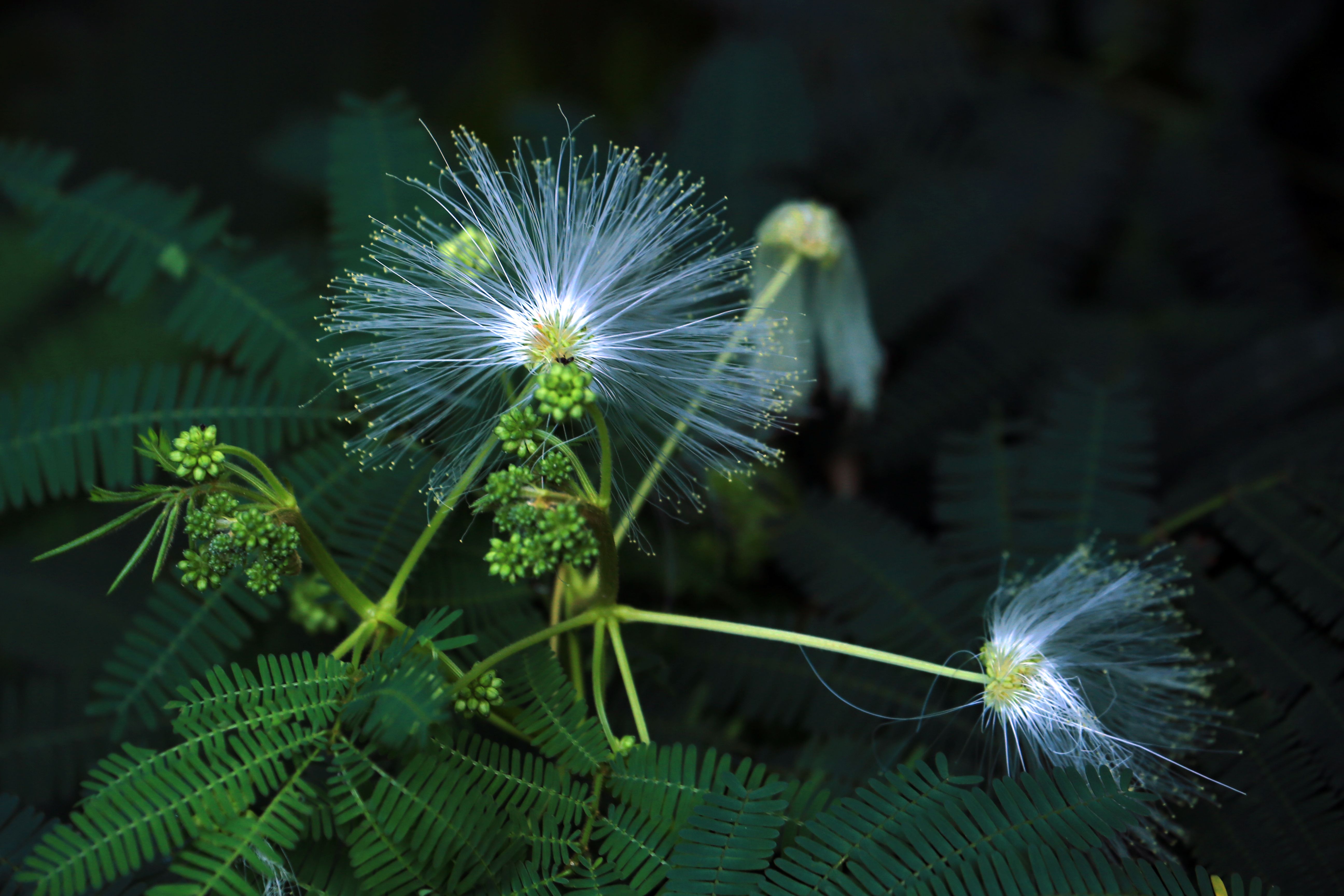
Gum arabic (acacia fiber)
Slowly fermenting, low-viscosity prebiotic — little gas, good tolerance up to 30 g/day. Ancient Egyptian gum.
In 1 minute
What does it provide? Arabinogalactan-glycoprotein polysaccharide (≈ 90% carbohydrate + 2% protein) from the exuded gum of the African acacia tree — water-soluble, low-viscosity (does NOT form a gel, unlike psyllium), SLOWLY fermenting prebiotic fiber. Bifidogenic, producing mainly acetate and propionate. Detailed RCT evidence (Calame 2008 bifidogenic effect, Babiker 2012 body weight) is in the Scientific Background section.
How much? 10 g daily (optimal prebiotic dose, 1 tbsp), starting at 5 g and increasing over 1–2 weeks. Up to 30 g/day is well tolerated — with less bloating than inulin/FOS. Can be mixed into drinks/yogurt/smoothies.
When to avoid? Acacia gum allergy (extremely rare, mainly described from confectionery/bakery industrial exposure — absolute contraindication); active, severe ulcerative colitis flare (prebiotic introduction at medical discretion); acute SIBO flare (fermentation may transiently worsen — start with small doses); in acute severe IBS flare, start with 2–3 g; pointless during antibiotic course (wait until end of course). Dietary amounts are safe in pregnancy and breastfeeding.
Gum arabic's story begins in the Sahel "gum belt," where amber-yellow pearls from the exudations of Acacia senegal and Vachellia seyal were already gathered by the ancient Egyptians. The pharaohs' artisans used the gum in foods, as a binder for hieroglyphic paints, and during mummification to fix linen strips — samples from old sarcophagi still contain acacia gum residues today. Trade records from as early as the 12th century BCE document shipments from Nubia to Egypt — the gum was one of the era's first "luxury exports."
The name itself — "gum arabic" — comes from the fact that the material reached Europe via Arab ports (Alexandria, Jeddah), although the source itself was never Arabian — it always came from the African savannas. In medieval monastic book copying it became the binder for gold leaf and ink pigments, and 19th-century lithography and textile printing were unthinkable without it. Today, more than 70% of the world's gum arabic supply comes from Sudan, and it appears in nearly every cola and gummy candy recipe — an ancient confectionery material with more than three millennia of continuous use behind it.
🔬 Scientific Background
Gum arabic (acacia fiber) is the dried, water-soluble exudate from the bark of Acacia senegal and Vachellia seyal trees. Its main polymers: arabinogalactan-protein complexes (~ 90% carbohydrate, ~ 2% protein, small amount of minerals). It is approved as a food additive under E414.
Two decisive technological properties:
1. Water-soluble, LOW viscosity: unlike glucomannan or psyllium, gum arabic does NOT form a gel. Therefore, it mixes easily into drinks/yogurt, has no drug absorption interaction, and causes little bloating/gas compared with fast fermenters (FOS/inulin).
2. SLOWLY fermented in the colon: this explains its excellent GI tolerance even up to 30 g/day.
Clinical human evidence:
- Prebiotic (Calame 2008, Br J Nutr RCT): 10 g/day acacia fiber for 4 weeks → significant Bifidobacterium and Lactobacillus increase, at least the same bifidogenic effect as inulin. - Tolerance (Cherbut 2003): ≤ 30 g/day → main complaint only initial bloating/flatulence that disappears within 1–2 weeks. - Body weight (Babiker 2012 RCT, healthy women): 30 g/day for 6 weeks → BMI and body-fat percentage reduction. - Glycemia (acute, Larson 2021): PPG peak attenuation, increased satiety. - SCFA production: Consistent increase (acetate/propionate dominant, moderate butyrate).
Safety (EFSA 2017 re-evaluation): "No safety concern for the general population as a food additive" — ADI not required. In the USA, GRAS (21 CFR §184.1330).
Clinical positioning: Gum arabic is the "gentle entry" into the prebiotic world — for the beginner FODMAP-sensitive or IBS patient, it is often better tolerated than inulin/FOS. Because of its slow fermentation, when combined with other fibers it also slows their fermentation — providing a more balanced fermentation yield.
- + Mixed into drinks/yogurt/smoothies: easy due to low viscosity.
- + With meals: reduction of postprandial glucose peak.
- + FOS/inulin blend (50:50): gum arabic slows the rapid fermentation of inulin → better tolerance.
- + Live yogurt, kefir: synbiotic pattern.
- + Fiber-rich diet (oats, legumes): broader SCFA profile.
- + Dietary introduction for FODMAP-sensitive people: "entry fiber," good tolerance.
- High FOS/inulin + large amount at once: if you are sensitive to FODMAPs — titrate one by one.
- Excess into sugary drinks: worsens the metabolic profile.
- During antibiotic course: prebiotic effect is reduced (antibiotic kills bacteria) — wait until end of course.
- Acacia gum allergy (rare): strictly to be avoided.
- Acacia gum allergy (extremely rare, described from baker/confectioner industrial exposure): to be avoided.
- Active severe bowel inflammation (UC flare): prebiotic introduction with caution — medical consideration.
- SIBO flare: fermentation may transiently worsen — small doses.
- Infant < 6 months: infant feeding guidelines.
- Severe IBS active flare (paroxysmal bloating): start with 2–3 g and increase slowly.
- Pregnancy, breastfeeding: dietary amount (exposure known as food additive) is safe.
- Chronic pancreatitis: can be used freely.
Daily serving
Start at 5 g/day → increase to 10 g/day over 1–2 weeks (prebiotic optimum).
Body weight/satiety: 15–30 g/day (in 1–2 divided doses).
Intake
- Stir 5–10 g of acacia fiber powder into a drink, yogurt, or smoothie.
- With a meal (for PPG reduction) or independently.
- No water-intake obligation (low viscosity).
Classic patterns
Smoothie boost: banana + spinach + 10 g acacia fiber + 200 ml kefir.
Yogurt side: plain yogurt + 10 g fiber + berries.
Breakfast oatmeal: oats + 5 g fiber + berries + walnuts.
Drink additive (tasteless): water + 5–10 g fiber — neutral, barely noticeable.
FOS/inulin/acacia 1:1:1 mix: diverse prebiotic matrix, slow fermentation.
Storage
Dry, airtight, 2 years.
What not to do
Don't add to hot drinks (denatures the protein component, slight loss of effect). Don't dilute unnecessarily into sugary drinks.
References
[1] Calame W et al. Gum arabic establishes prebiotic functionality in healthy human volunteers — RCT. Br J Nutr 2008;100(6):1269–1275.
[2] Cherbut C et al. Acacia gum is a bifidogenic dietary fibre with high digestive tolerance. Microb Ecol Health Dis 2003.
[3] Babiker R et al. Effects of Gum Arabic on body mass index in healthy adult females — RCT. Nutr J 2012.
[4] Larson R et al. Acacia gum and postprandial responses. Nutrients 2021.
[5] EFSA Panel. Re-evaluation of gum arabic (E414) as food additive. EFSA Journal 2017;15(5):4814.
[6] JECFA. Gum arabic safety assessment. WHO Food Additives.
[7] Rawi MH et al. Gum arabic and SCFA production — ACS Omega 2021.
[8] Marzorati M et al. Gum arabic slows down fermentation of co-substrates. J Funct Foods 2015.