

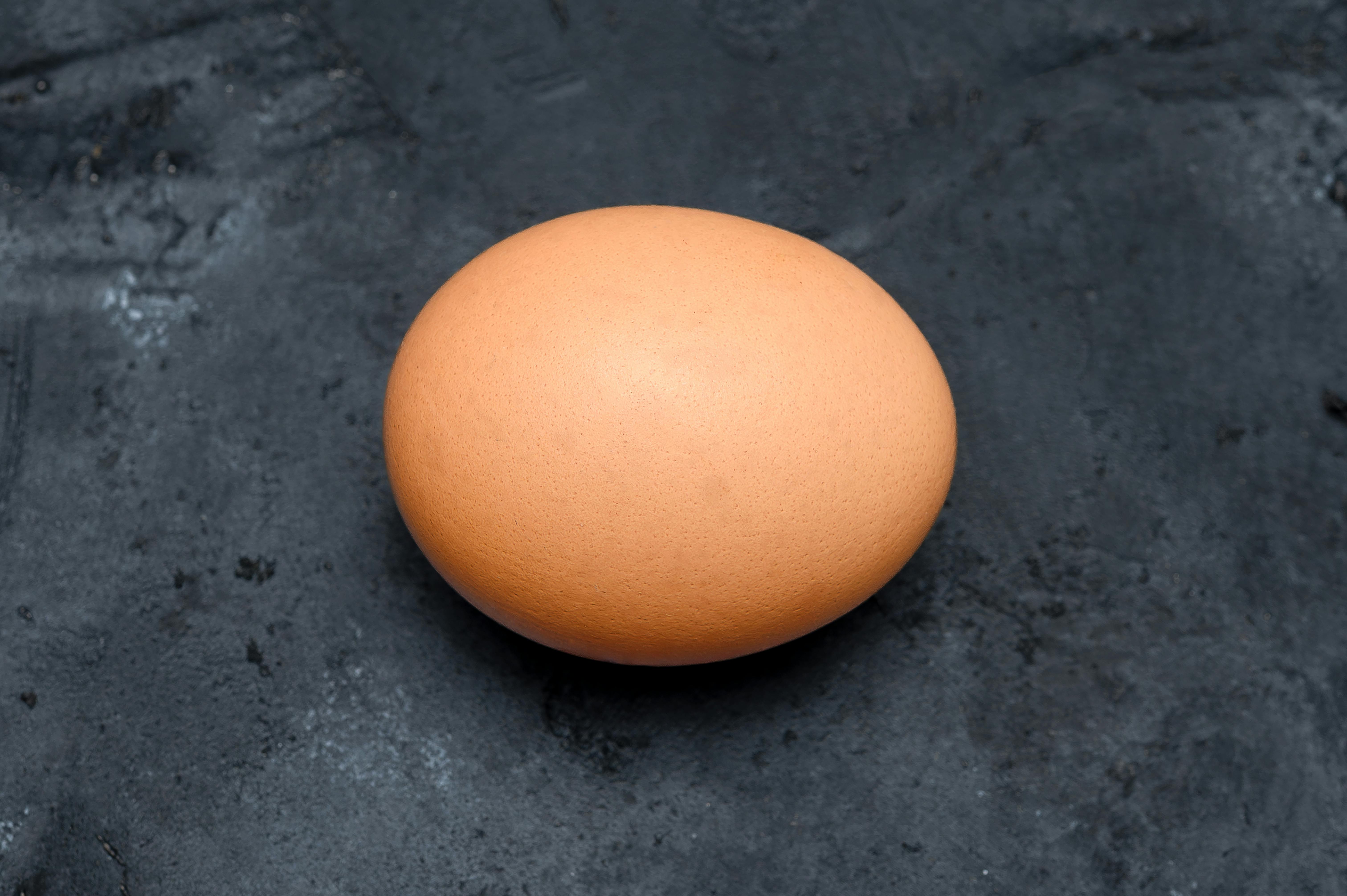
Chicken egg
The choline–cholesterol paradox — choline for the brain, lutein/zeaxanthin for the eye, and the rehabilitation of the egg.
In 1 minute
What does it provide? One of the cheapest, most complete animal protein sources (≈ 6 g protein/egg). The yolk is a choline (≈ 250 mg/egg — brain and liver function, phosphatidylcholine synthesis), lutein-zeaxanthin (≈ 250 µg — macular protection), B12 (≈ 0.6 µg), and vitamin D (≈ 1 µg) concentrate; the white is pure, easily digestible protein.
How much? For healthy adults 1–2 whole eggs per day is safe, and in most cohorts has a neutral-to-positive cardiovascular effect. For athletes, pregnancy, and children's growth periods 2–3.
When to avoid? Confirmed egg allergy, familial hypercholesterolemia (FH) with proven LDL elevation from eggs, severe NAFLD/fatty liver under choline restriction on medical advice. Salmonella risk: raw eggs to be avoided in immunocompromised individuals, pregnancy, and small children.
Chicken domestication, by today's accepted view, took place about 8000 years ago in Southeast Asia (from the red junglefowl, Gallus gallus), but the spread of egg consumption was accelerated by the Roman Empire: in Pliny and Apicius's recipes it was already a staple culinary ingredient. In medieval Europe, fasting prohibitions gave it a periodic role, then the industrial revolution turned chicken keeping and egg production into mass products.
In the mid-20th century, during the cholesterol hypothesis era (Ancel Keys), the egg landed on the "anti-health" food list: the AHA in the late 1960s capped it at 3 per week. Major 2000s cohorts (Hu 1999, Drouin-Chartier 2020), however, consistently did NOT show a positive association between 1 egg/day and cardiovascular events in healthy populations — the 2015 US Dietary Guidelines dropped the cholesterol upper limit. Debunking the cholesterol myth is one of the most important corrections of nutrition science in the past 25 years.
🔬 Scientific Background
The chicken egg is a complete protein source: its amino acid profile is the WHO reference value, PDCAAS = 1.00, DIAAS ≈ 1.13. A medium egg (≈ 50 g) provides 6 g protein, 5 g fat, 78 kcal energy. The yolk is the valuable part: choline (250 mg), phosphatidylcholine (1.5 g), lutein + zeaxanthin (≈ 250 µg, with high bioavailability in the egg matrix), B12 (0.6 µg), vitamin D (1 µg, up to 5× in free-range hens), selenium (15 µg), and most of vitamin A are found here. In the white (egg white) only protein is present — a common myth is that this is "cleaner."
On the cholesterol question the picture is nuanced: 1 egg contains about 200 mg dietary cholesterol, but human cohorts (Hu 1999, n = 117,000; Drouin-Chartier 2020, three US cohorts, n = 215,000) did not show a positive association between 1 egg/day and coronary events in healthy adults. In diabetics there is a mild signal at higher intake. The "hyperresponder" phenotype (20–30% of the population) responds more strongly with LDL elevation — individual lipid monitoring helps in context.
Choline is one of the egg's most important micronutrients: building block of phosphatidylcholine (cell membrane), precursor of acetylcholine (cognitive function), and indispensable for fetal brain development in pregnancy. The adequate daily intake (AI) for men is 550 mg, women 425 mg, pregnant women 450 mg — 2 eggs already provide 50% of daily AI. Most of the population does NOT reach AI. The choline → TMA → TMAO microbiota-mediated pathway is context-dependent: in correlation cohorts, elevated TMAO associates with CVD risk, but the causal connection is debated — choline itself is not "bad."
Lutein + zeaxanthin are documented in macular degeneration (AMD) prevention: by the AREDS2 study, supplementation reduces AMD progression. The egg yolk's lutein content is 3× more bioavailable than from spinach because of the fat matrix. (Chung 2004, Hammond 2017)
Salmonella risk exists in the eggshell and yolk (the common industrial serotype is Salmonella Enteritidis). Egg shell codes in many countries allow traceability. Pasteurized eggs are recommended for immunocompromised, pregnant, and elderly persons for raw or soft recipes (Caesar salad, homemade mayonnaise, tiramisu).
- + Green leafy vegetables (spinach, kale) + olive fat: the yolk's lutein/zeaxanthin also boosts the bioavailability of spinach carotenoids — eye health synergy (Chung 2004).
- + Avocado, tomato: fat + lycopene combination — most effective on a breakfast salad.
- + Whole-grain bread / oatmeal: balanced breakfast; the protein + complex carb combo gives better blood glucose control than carbs alone.
- + Fermented dairy (yogurt, kefir): complementary protein intake + live cultures.
- + Spices (turmeric, black pepper, oregano, basil): an easy way to add polyphenol substrate to scrambled eggs.
- + Roasted sweet potato / winter squash: beta-carotene to vitamin A conversion + egg fat helps bioavailability.
- Raw egg white + biotin sensitivity: avidin in raw white binds biotin — in extreme cases (multiple raw whites/day for weeks), biotin deficiency. Cooking resolves this.
- Large amounts of added saturated fat (butter + bacon + cheese): the egg itself is not a CVD risk, but the typical "English breakfast" matrix is — the additions are the issue.
- Sugary pastries + many eggs (croissant, brioche): the combined glycemic + saturated fat load gives a worse postprandial profile.
- Levodopa (Parkinson's drug) + high-protein meal: protein competes with the levodopa transporter — on medical advice, time egg intake separately from the drug.
- Iron supplementation + yolk phosvitin: phosvitin chelates iron — during iron-deficiency anemia replacement, separate egg intake in time (≥ 2 hours).
- Confirmed egg allergy (childhood IgE-mediated): one of the most common childhood food allergies; most outgrow it by age 5–7. New adult-onset egg allergy is rare. Egg protein in vaccines (influenza, some MMR versions) requires medical guidance.
- Familial hypercholesterolemia (FH): if the patient is a confirmed hyperresponder and LDL rises significantly with eggs, individual lipid monitoring should guide intake.
- Severe NAFLD/fatty liver with choline toxicity concern: debated — some small studies link high choline intake to TMAO elevation, but choline deficiency itself is also a NAFLD risk. On medical advice.
- Salmonella risk: pregnancy, immunosuppression (chemotherapy, AIDS, transplant), under 1-year-old child, 65+ elderly — avoid raw/soft-shell eggs (Caesar dressing, homemade mayo, tiramisu, soft-boiled egg). Pasteurized eggs are safe.
- Gout flare: moderate purine — not a main contraindication, but it is part of protein intake on meatless days.
- Childhood introduction: in families with allergic history, early (4–6 months) introduction REDUCES allergy risk (LEAP-like principle).
Daily serving: 1–2 whole eggs for healthy adults, 2–3 for athletes/pregnant women/children.
Preparation patterns (by bioavailability):
1. Soft-boiled (3–4 min, in-shell): yolk creamy, lutein optimally bioavailable, white denatured.
2. Poached egg: fat-poor, protein-optimal.
3. Scrambled with minimum fat, gentle heat: the yolk at too-high heat (≥ 70 °C, long time) slightly oxidizes cholesterol — gentle flame.
4. Oven-baked egg with squash / vegetable frittata: complex simple menu.
5. Egg salad (hard-boiled egg + olive + herbs): cold, light, classic.
Classic patterns:
- Sunny-side-up egg + spinach: lutein synergy
- Shakshuka (eggs in bubbling tomato): lycopene + fat + egg
- Frittata with vegetables: fiber + polyphenol matrix
- Poached egg on avocado toast: complete breakfast
Storage: refrigerated 3–5 weeks in-shell at 4 °C. Pasteurized liquid egg should replace raw egg for immunocompromised.
What not to do: don't leave at room temperature for hours (salmonella growth), don't overbrown (cholesterol oxidation), don't routinely discard the yolk.