


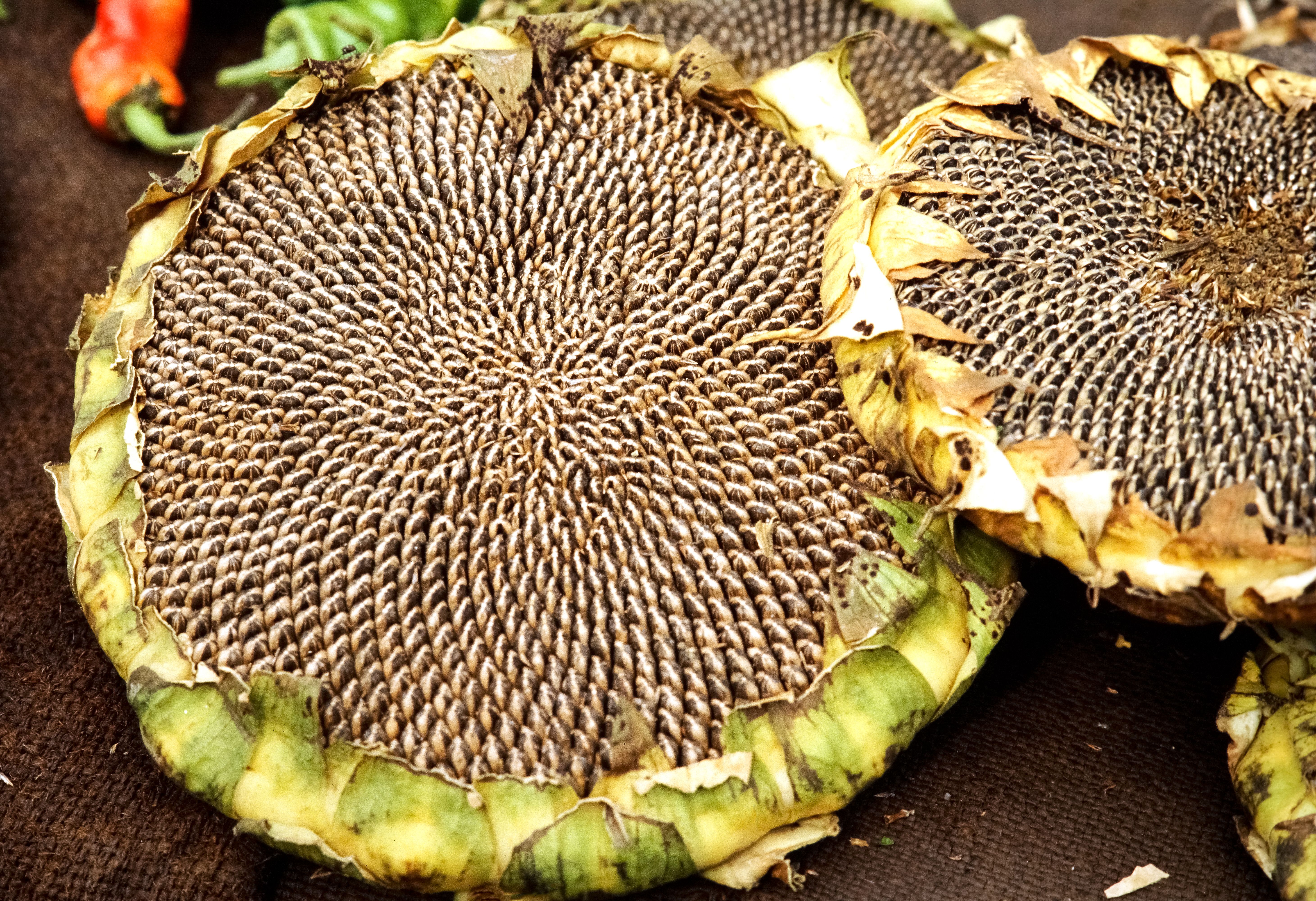
Sunflower Seed
The tiny treasure of the sun-tracker — alpha-tocopherol bomb, selenium source, and an affordable Mediterranean-style
Sunflower Seed in 1 minute
What does it provide? α-tocopherol (vitamin E, ≈ 35 mg/100 g — one of the highest dietary sources; a 30 g serving covers ≈ 70% of daily vitamin E need), linoleic acid (omega-6 PUFA, ≈ 23 g/100 g), selenium (≈ 53 μg/100 g — glutathione peroxidase cofactor), magnesium (≈ 325 mg/100 g), and chlorogenic acid (polyphenol also present in coffee).
How much? A handful per day (≈ 28–30 g, about 3 tbsp shelled seeds), weekly 5–7×. In RCTs, 30 g sunflower seeds/day over 8–12 weeks lowered LDL cholesterol and raised plasma α-tocopherol levels (Phillips 2005 J Agric Food Chem; Richmond 2013 ISRN Nutr).
When to avoid? Sunflower allergy (rarer than peanut, but exists — Asteraceae family cross-reaction with ragweed), active potassium metabolism disorder (kidney disease — potassium ≈ 645 mg/100 g), nickel contact allergy (moderate Ni), aflatoxin contamination (poor storage), active laxative period (high fiber), severe calorie restriction (30 g ≈ 165 kcal), child < 4 years (choking hazard with whole seed).
The sunflower is a native of the American continent — its homeland is the south-central United States, where indigenous tribes (Hopi, Mandan, Cherokee) had domesticated it as early as around 3000 BCE, using both seeds and oil as food, paint, and cosmetic. Spanish conquistadors brought it to Europe in the early 16th century as an ornamental; from the mid-18th century, Russia (where it was permitted as an oilseed during Orthodox fasting prohibitions) became the leading cultivator, and in the 19th century the high-oil-content varieties were developed that still form the basis of industrial sunflower oil. In the 20th century, Argentina, Ukraine, and Hungary became global leaders. Hungarian sunflower oil and sunflower seed snack ("cukrozott szotyola") is part of the Eastern European culinary tradition. Sunflower seed butter (SunButter) was developed in the USA mainly for peanut-allergic children, as a safe spreadable oilseed. (Britannica)
Scientific Background
Sunflower seed offers four clinically important component groups. (1) Vitamin E (α-tocopherol): one of the richest dietary α-tocopherol sources (≈ 35 mg/100 g, in 30 g serving ≈ 10 mg ≈ 70% RDA). Vitamin E is a lipid-phase antioxidant that inhibits cell membrane lipid peroxidation. Phillips et al. (2005 J Agric Food Chem) and Richmond et al. (2013 ISRN Nutr) interventions confirmed plasma α-tocopherol level elevation with regular sunflower seed consumption.
(2) Linoleic-acid-dominant fat profile: of the ≈ 51 g/100 g total fat, about 65% is linoleic acid (omega-6), 19% MUFA (oleic acid), and 9% SFA. Linoleic acid is an essential fatty acid, an inflammation mediator precursor (via the arachidonic acid pathway), and LDL-lowering (Eckel 2014 J Am Coll Cardiol). Due to the high omega-6:omega-3 ratio, sunflower seed is best consumed in a seed mix rich in omega-3 (flax, chia, walnut).
(3) Selenium and cofactor matrix: selenium (≈ 53 μg/100 g) is a cofactor of glutathione peroxidase and thioredoxin reductase — antioxidant enzyme systems. Thyroid hormone conversion (deiodinase) is also selenium-dependent.
(4) Chlorogenic acid and phytosterols: chlorogenic acid (a hydroxycinnamic acid also present in coffee) reduces postprandial glucose peak via α-glucosidase inhibition. Phytosterols (β-sitosterol) compete with cholesterol absorption.
At the microbiome level, sunflower seed's fiber content (≈ 8.6 g/100 g) and chlorogenic acid content support Lactobacillus and Bifidobacterium populations in preclinical models (Cardona 2013 J Nutr Biochem).
- + Flax, chia, walnut (omega-3 sources): balancing the omega-6:omega-3 ratio.
- + Salad topping, yogurt topping: Mediterranean pattern, ALA synergy.
- + Sunflower seed butter (SunButter) — peanut-allergy alternative: spread on whole-grain bread.
- + Tahini matrix (sesame + sunflower + walnut blend paste): complex fatty acid profile.
- + Fresh herbs + lemon: classic salad topping.
- + Gentle toasting (150 °C, 8–10 min): flavor deepening, minimal PUFA oxidation.
- High heat, long roasting (≥ 180 °C, 20+ minutes): the high linoleic acid content means PUFA oxidation is fast — avoid.
- Salted, flavored "szotyola" (sugar-coated, spicy): sodium and sugar intake — occasional snack, not daily.
- One-sided daily 50+ g sunflower seeds: omega-6:omega-3 ratio shift, inflammation mediator imbalance.
- Sunflower allergy, Asteraceae allergy (ragweed, chrysanthemum): cross-reaction possible.
- Chronic kidney disease (CKD 3–5): high potassium (≈ 645 mg/100 g) and phosphorus — dose control.
- Active laxative period, IBD flare: high fiber temporarily avoided.
- Aflatoxin-sensitive populations: discard rancid/moldy seeds.
- Nickel allergy (SNAS): sunflower seed moderate nickel — flare sensitivity under strict diet.
- Child < 4 years: whole seed choking hazard; ground form (sunflower butter) is safe.
- Phillips KM, Ruggio DM, Ashraf-Khorassani M. Phytosterol composition of nuts and seeds commonly consumed in the United States. J Agric Food Chem 2005;53(24):9436–9445. https://pubs.acs.org/doi/abs/10.1021/jf051505h
- Richmond K, Williams S, Mann J, Brown R, Chisholm A. Markers of cardiovascular risk in postmenopausal women with type 2 diabetes are improved by the daily consumption of almonds or sunflower kernels: a feeding study. ISRN Nutr 2013;2013:626414.
- Eckel RH et al. 2013 AHA/ACC guideline on lifestyle management to reduce cardiovascular risk. J Am Coll Cardiol 2014;63(25):2960–2984.
- Cardona F et al. Benefits of polyphenols on gut microbiota and implications in human health. J Nutr Biochem 2013;24(8):1415–1422.
- USDA FoodData Central — Seeds, sunflower seed kernels, dried. https://fdc.nal.usda.gov/
- Monash University. Sunflower seeds — FODMAP serving guidance. https://www.monashfodmap.com/about-fodmap-and-ibs/high-and-low-fodmap-foods/