


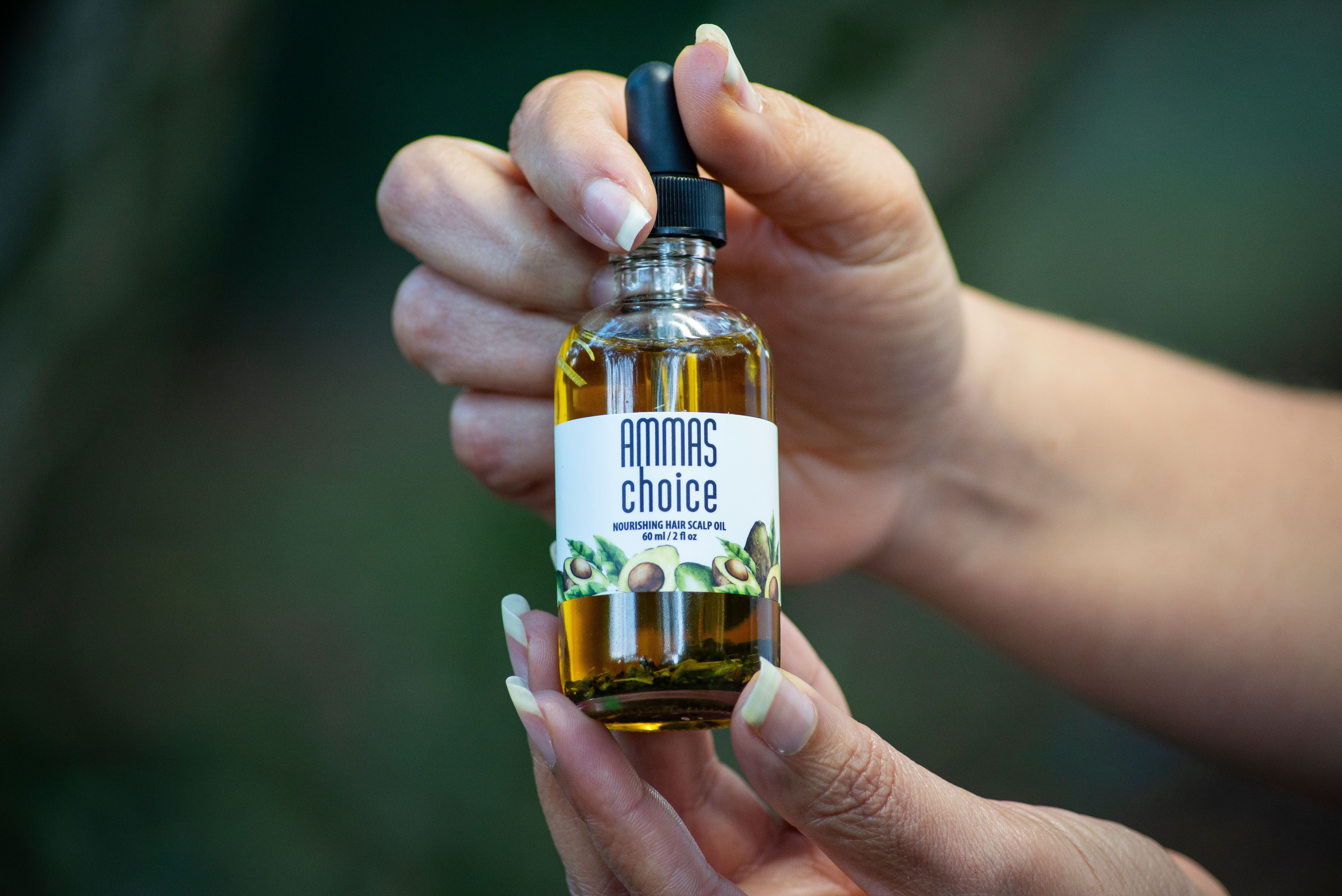
Avocado oil
Cold-pressed MUFA matrix with beta-sitosterol and lutein — cardiometabolically favorable, high smoke point, carotenoid-absorption
Avocado oil in 1 minute
What does it provide? Monounsaturated oleic acid (MUFA ≈ 65–75%), beta-sitosterol and other phytosterols, and xanthophyll carotenoids (lutein, zeaxanthin) plus alpha-tocopherol. The unrefined (cold-pressed) version is bright green due to high chlorophyll and carotenoid content. Raw avocado oil clinically lowers LDL cholesterol and significantly increases the absorption of carotenoids (lutein, beta-carotene) from salad greens (Unlu 2005, J Nutr).
How much? 15–30 g/day (1–2 tbsp) — raw on salads, for dipping; for sautéing/cooking at medium-high heat (≤ 200 °C, refined version smoke point ≈ 250 °C). The refined and unrefined (extra-virgin) versions differ: unrefined = high polyphenol/carotenoid; refined = high smoke point but polyphenol-poor.
When to avoid? Acute severe pancreatitis (fat restriction), avocado-latex-fruit syndrome (Persea allergy, natural latex cross-reactivity), overdosing during calorie restriction (9 kcal/g), very high-temperature use (≥ 250 °C, repeated deep frying) with unrefined oil (polyphenol loss), extremely high green-oil intake on anticoagulant therapy (clinically extremely rare).
Avocado (Persea americana) is a native fruit of the Mesoamerican tropical highlands — archaeological data suggest it was consumed in southern Mexico as early as ~5000 BCE, domesticated by the Pueblan and Olmec cultures. In the Aztec language it bore the name "ahuacatl" (referring to a perceived resemblance between the fruit and a certain body part), from which the Spanish "aguacate" and eventually the English "avocado" derive. The Spanish conquerors — Martín Fernández de Enciso's 1519 description is the first European source — first exported it to the Caribbean, then to the Mediterranean region.
The avocado oil industry, however, is a 20th-century affair: initially the cold-pressed version was extracted as a cosmetic (excellent skin absorption, rich in phytosterols). In the second half of the 20th century, New Zealand (Bay of Plenty) and Mexico launched culinary-grade cold-pressed avocado oil production, with a chlorophyll-green color and nutty-buttery flavor notes. Since the 2000s, with growing interest in Mediterranean-style diets, demand for high-smoke-point oils, and the spread of Hass-variety cultivation, avocado oil has become one of the fastest-growing segments of the global premium culinary oil market. Clinical evidence was launched by Unlu 2005 J Nutr (carotenoid-absorption enhancement) and summarized by the Mahmassani 2018 Am J Clin Nutr meta-analysis on the cardiometabolic profile.
Scientific Background
Avocado oil is the cold-pressed or centrifuged product of avocado pulp (analogous to olive). The unrefined (extra-virgin) version has high pigment content (chlorophyll, lutein, zeaxanthin, beta-carotene), while the refined version is light-colored, neutral in flavor, and has a high smoke point (≈ 250 °C). The main bioactive components and their clinical effects can be understood along three pillars.
1. MUFA + phytosterol — cardiometabolic profile. Avocado oil's fatty acid profile resembles olive oil: 65–75% oleic acid (C18:1 n-9 MUFA), 10–15% saturated (palmitic acid), 10–15% linoleic acid (n-6 PUFA). Beta-sitosterol (the most prominent phytosterol) competitively inhibits intestinal cholesterol absorption. The LDL-effect remains uncertain in meta-analyses; HDL modestly increased (~2.84 mg/dL) in the Mahmassani 2018 Am J Clin Nutr (107(4):523–536) systematic review and meta-analysis of avocado consumption RCTs. Individual RCTs also signal modest triglyceride reductions.
2. Carotenoid-absorption enhancement — the "lipid matrix effect". Unlu 2005 J Nutr RCT demonstrated that adding ≈ 1.5 tbsp (24 g) of avocado or avocado oil to salad greens (spinach, lettuce, tomato) increased lutein absorption 3–7-fold, beta-carotene absorption 2–15-fold, and lycopene absorption 4-fold. The explanation: carotenoids are fat-soluble, and avocado oil's MUFA matrix is an ideal vehicle for micellar transport in the small intestine.
3. Stability and heat — high smoke-point oil. Refined avocado oil is among the highest-smoke-point culinary oils (≈ 250 °C), making it particularly suited to frying, wok, and sautéing. The unrefined version has a lower smoke point (≈ 175–200 °C). The olive parallel: high oleic acid content provides oxidative stability. Berasategi 2012 Food Chem data show avocado oil thermal stability comparable to extra-virgin olive oil.
Microbiota effect: Standalone large microbiome RCTs of avocado oil are scarce, but whole avocado fruit (Henning SM et al. Curr Dev Nutr 2019;3(8):nzz068) — one medium avocado/day for 12 weeks — increased Faecalibacterium and Lachnospira proportions, enhanced fecal SCFA production, and reduced bile-acid-resistant secondary bile acids. The MUFA + phytosterol combination is gut-mucosa-supportive.
- + Fresh green salads (spinach, arugula, kale): dramatically enhances carotenoid absorption (Unlu 2005).
- + Tomato (lycopene) + carrot (beta-carotene): fat-soluble pigments in cold-pressed avocado oil.
- + Salmon, mackerel, sardines: omega-3 + MUFA + phytosterol — cardiometabolic synergy.
- + Lemon, lime: stabilizes chlorophyll and carotenoids, adds fresh flavor.
- + Whole avocado (guacamole, smoothie): combined fiber + oil-matrix.
- + Legumes (chickpeas, black beans): fiber + MUFA — Mexican-Mediterranean synbiotic.
- Very high heat (≥ 250 °C, repeated deep frying) with the unrefined version: chlorophyll and carotenoid loss, oxidative products.
- Cheap refined blended oils sold as "avocado oil blend": significant market adulteration is documented (Green 2020 Food Control).
- Anticoagulant + large quantities of raw avocado oil: mild theoretical vitamin K interaction — clinically rare.
- Prolonged light and heat exposure: chlorophyll degrades, oil lightens and goes rancid.
- "Avocado oil capsule" as a culinary oil substitute: dose is not therapeutic.
- Acute severe pancreatitis: fat restriction, avoid.
- Persea allergy, latex-fruit syndrome: strict avoidance — natural latex cross-reactivity.
- Active biliary disease, large gallstones: fat triggers gallbladder contraction — moderate.
- Energy-balance-sensitive diet (weight loss): 9 kcal/g — portion control.
- Severe hypertriglyceridemia (≥ 1000 mg/dL): part of total fat restriction.
- Uncontrolled GERD in some sensitive individuals: moderate use.
- Chlorophyll sensitivity (rare): choose refined version.
- Adulteration sensitivity (Green 2020): only from trusted sources.
References
[1] Unlu NZ et al. Carotenoid absorption from salad and salsa by humans is enhanced by the addition of avocado or avocado oil. J Nutr 2005;135(3):431–436. Link
[2] Mahmassani HA, Avendano EE, Raman G, Johnson EJ. Avocado consumption and risk factors for heart disease: a systematic review and meta-analysis. Am J Clin Nutr 2018;107(4):523–536. Link
[3] Henning SM et al. Hass avocado inclusion in a weight-loss diet supported weight loss and altered gut microbiota. Curr Dev Nutr 2019;3(8):nzz068. Link
[4] Berasategi I et al. Stability of avocado oil during heating: comparative study to olive oil. Food Chem 2012.
[5] Green HS et al. Authenticity of avocado oil — adulteration in the US commercial market. Food Control 2020.
[6] Carvajal-Zarrabal O et al. Avocado oil supplementation modifies cardiovascular risk profile markers. J Nutr Metab 2014.
[7] Pieterse Z et al. Substitution of high monounsaturated fatty acid avocado for mixed dietary fats during an energy-restricted diet. Nutrition 2005.
[8] EFSA Panel on Dietetic Products. Scientific opinion on plant sterols and blood cholesterol. EFSA Journal 2010;8(10):1813. Link