


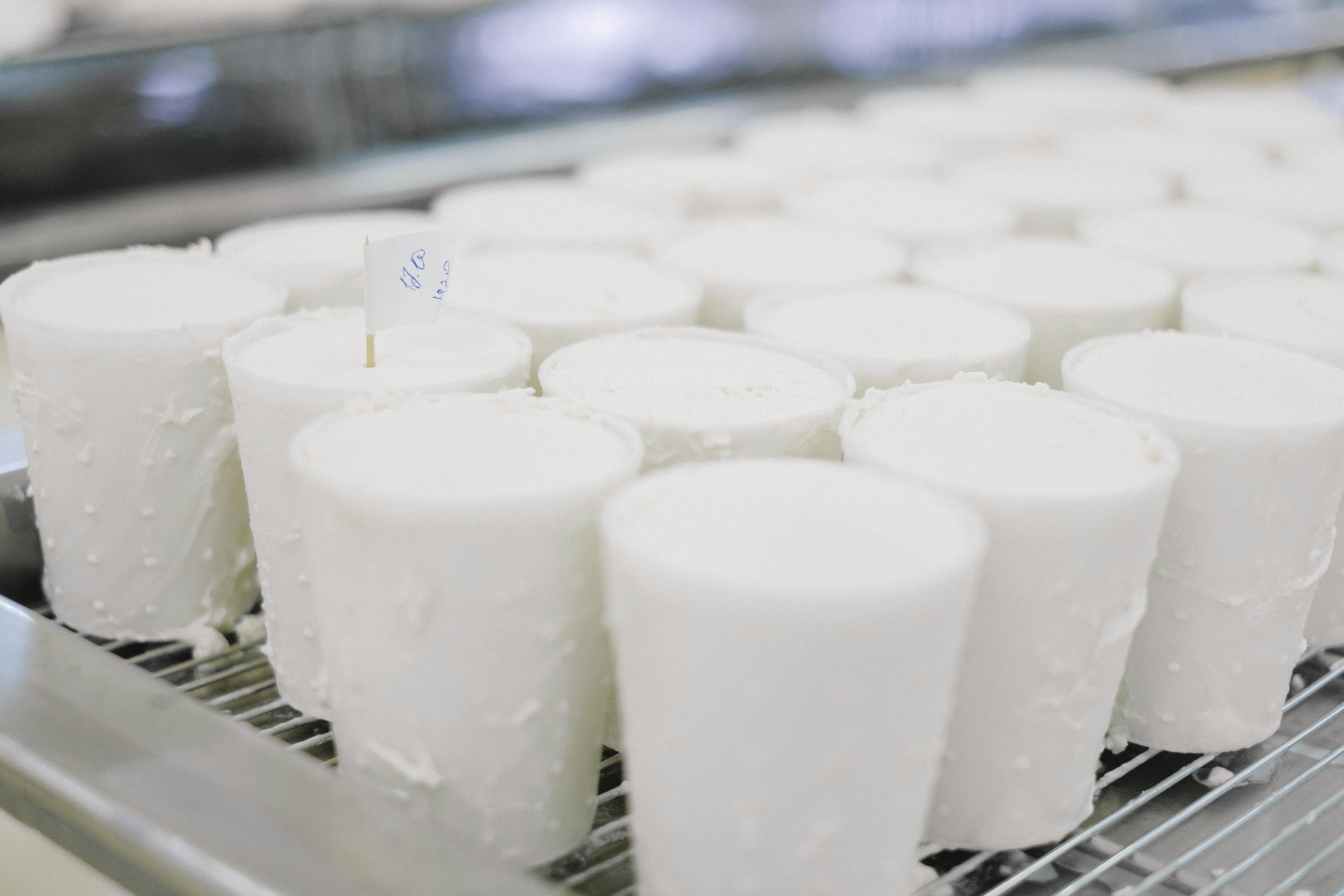
Whey
The byproduct of cheesemaking — fast-absorbing whey protein (β-lactoglobulin, α-lactalbumin), the classic athlete substrate
Whey in 1 minute
What does it provide? Whey is the liquid byproduct of cheesemaking — the greenish-yellow liquid remaining after casein coagulation. Content: whey protein (β-lactoglobulin ≈ 50–55%, α-lactalbumin ≈ 20%, immunoglobulins, lactoferrin, GMP — exact ratios depend on milk source and processing), lactose (≈ 4–5 g/100 ml), calcium, B vitamins. Whey protein is the fastest-absorbing dietary protein (1–2 hours) — classic post-workout choice for athletes. GMP (glycomacropeptide, the N-end of kappa-casein) is prebiotic — Bifidobacterium-elevating. "Sweet whey" (byproduct of rennet-coagulated cheese) and "acid whey" (byproduct of acid/LAB-coagulated cheese) differ in composition.
How much? Fresh liquid whey: 100–300 ml/day. Whey protein supplement: 20–30 g/workout or meal.
When to avoid? Cow's milk protein allergy (strictly); galactosemia (absolute); severe lactose intolerance (choose lactose-free whey or whey protein isolate, which is < 0.1% lactose); severe kidney disease (high protein); ≥ 2 hours separation from iron supplements; infant < 6 months; high-dose supplement + existing hypercalcemia.
Whey is humanity's most ancient "byproduct food" — wherever cheese is made (in dairy shepherd cultures from around 5000 BCE), whey appears. Hippocrates (400 BCE) prescribed it as "serum lactis" for digestive disorders, liver problems, and wound healing. During the classic Renaissance and Baroque eras (16th–18th century), "whey baths" and "whey cures" were popular at European thermal spas — Karlsbad (today's Karlovy Vary), Marienbad, Vichy. In Hungarian peasant farms, whey served as a drink and animal feed; "soured milk" and "sour whey" were traditional summer refreshments.
The modern "whey protein" revolution began in the mid-20th century, when the dairy industry — until then producing whey as a main byproduct — began concentrating and powdering it. "WPC" (whey protein concentrate, 70–80% protein), "WPI" (isolate, > 90%), "WPH" (hydrolysate, faster absorption) are industrial categories. Clinical research (Tang 2009, Phillips 2011 J Sports Sci 29(Suppl 1):S29–S38) reports that whey protein causes rapid amino acid elevation and muscle protein synthesis — athlete-targeted supplement. The traditional "liquid whey" is experiencing a renaissance in the craft cheesemaking movement.
Scientific Background
Whey chemistry: whey is the liquid remaining after milk casein coagulation (outline: milk ≈ 80% casein + 20% whey protein). Content:
- β-lactoglobulin (~ 50–55%) — the most abundant whey protein; high BCAA content (leucine, isoleucine, valine) — initiates muscle protein synthesis. Strong allergen potential.
- α-lactalbumin (~ 20%) — high in tryptophan + cysteine; potential mood effect as serotonin precursor; high biological value.
- Immunoglobulins — regular cow-milk whey contains only ~1–3% Ig; colostrum (the first 1–3 days of milk after calving) contains 10–15% Ig — the "high Ig" framing applies to colostrum, not regular whey.
- Lactoferrin (1–2%) — antimicrobial, iron-binding, anti-inflammatory.
- Glycomacropeptide (GMP) — from kappa-casein rennet hydrolysis; prebiotic (Bifidobacterium-elevating), phenylalanine-free (PKU-compatible).
Sweet whey vs. acid whey:
- Sweet whey: byproduct of rennet-coagulated cheeses (cheddar, mozzarella, parmesan). pH 6.0–6.5. Contains GMP.
- Acid whey: byproduct of acid-coagulated cheeses (cottage cheese, ricotta, Greek yogurt). pH 4.0–4.6. Does NOT contain GMP (rennet absent).
Clinical studies:
- Muscle protein synthesis: Tang (2009) reports that 20 g whey protein post-workout elevates muscle protein synthesis (MPS) by 100% — gives a faster and larger response than casein.
- Glycemia: Mignone et al. (2015 World J Diabetes 6(14):1274–1284) review reports that 15–20 g whey protein taken as a pre-meal reduces postprandial glucose and insulin — via gastric-emptying slowing and incretin mediation (GLP-1, GIP).
- Immunomodulation: Marshall (2004) reports that lactoferrin + immunoglobulin content has mild immunomodulatory effect — infection prevention.
Microbiome effect: GMP and α-lactalbumin are prebiotic — Bifidobacterium and Lactobacillus-elevating. Wallace (2018 J Food Sci) reports that whey protein + live LAB combination (as in traditional liquid whey) is synbiotic.
Lactose content: liquid whey ≈ 4–5 g lactose/100 ml — not lactose-free. WPC: 4–8% lactose; WPI: < 1%; WPH: < 0.5%.
- + Post-workout "smoothie": 20–30 g whey protein + banana + ½ avocado + milk/plant milk + flaxseed.
- + Liquid whey in baked goods (whey sourdough bread, pancakes): flavor deepening + nutrient.
- + Drinks ("whey shake"): classic Swiss "Molke-Kur" breakfast.
- + Bone broth with whey: broth + whey → bone mineral leaching.
- + Plant-based dietary substitution: whey protein (lactose-free) + plant protein (pea, rice) complementary.
- + With sprouted grains: synbiotic combination.
- High-dose extra protein (more than 2 g/kg/day): kidney load.
- Levothyroxine (T4): calcium chelation — separate by ≥ 4 hours.
- Iron supplements: ≥ 2 hours separation.
- High-dose acid whey + empty stomach: acidic pH may cause gastric irritation.
- Sugar-added whey protein supplement: worsens metabolic profile.
- Empty-calorie whey (sweetened, flavored): loses clinical advantage.
- Cow's milk protein allergy: strictly avoid (β-lactoglobulin is one of the main cow milk allergens).
- Galactosemia: absolute.
- Severe lactose intolerance: liquid whey and WPC avoided; WPI (< 1% lactose) or WPH (< 0.5%) tolerable.
- Severe kidney disease (CKD 3–5): high protein + phosphorus avoided.
- Chronic hypercalcemia: avoid.
- Active kidney stones (calcium-oxalate): monitor high calcium intake.
- Severe liver failure: high protein intake avoided.
- Infant < 6 months: avoid (infant feeding).
- PKU (phenylketonuria): main whey proteins contain phenylalanine — to be avoided; GMP isolate (phenylalanine-free) is acceptable.
- Severe immunosuppression: live-LAB-containing liquid whey avoided.
- Sweet whey + hyperuricemia/gout: moderate (due to purine content).
Daily serving: liquid whey 100–300 ml; whey protein supplement 20–30 g.
Preparation pattern — homemade liquid whey:
- A byproduct of home cheesemaking (see IX.7 quark, IX.8 cottage cheese). Whey drained on cheesecloth.
Classic patterns:
"Molke-Kur" breakfast (classic Swiss): 250 ml fresh whey + lemon + honey + nutmeg.
Post-workout smoothie: 25 g whey protein + 1 banana + 1 tbsp peanut butter + 1 cup plant milk + ice.
Whey sourdough bread: 100 ml fresh whey instead of water in sourdough bread dough → deeper flavor, better nutrient.
Bone broth with whey: bone broth + ¼ cup vinegar or whey → improved calcium and collagen leaching.
Pancakes with whey: 250 ml fresh whey + 1 egg + 100 g flour + 1 tbsp olive oil → pancakes.
Plant-based puree soup with whey: vegetable soup + whey in the base → higher protein + live LAB.
Storage: fresh liquid whey in refrigerator 3–5 days; frozen 3 months. Whey protein powder in cool, dry place 1–2 years.
What not to do: don't boil at high heat for long (protein denaturation). Don't choose sweetened, flavored whey.
References
[1] Tang JE et al. Ingestion of whey hydrolysate, casein, or soy protein isolate: effects on mixed muscle protein synthesis at rest and following resistance exercise in young men. J Appl Physiol 2009;107(3):987–992. Link
[2] Phillips SM, Van Loon LJC. Dietary protein for athletes: from requirements to optimum adaptation. J Sports Sci 2011;29(Suppl 1):S29–S38. Link
[3] Mignone LE, Wu T, Horowitz M, Rayner CK. Whey protein: the "whey" forward for treatment of type 2 diabetes?. World J Diabetes 2015;6(14):1274–1284. Link
[4] Marshall K. Therapeutic applications of whey protein. Altern Med Rev 2004;9(2):136–156. Link
[5] Wallace TC. Health effects of fermented dairy. J Food Sci 2018.
[6] Sanlier N et al. Health benefits of fermented foods. Crit Rev Food Sci Nutr 2019;59(3):506–527. Link
[7] Smithers GW. Whey and whey proteins — from "gutter-to-gold.". Int Dairy J 2008;18(7):695–704. Link
[8] Madureira AR et al. Bovine whey proteins — overview on their main biological properties. Food Res Int 2007;40(10):1197–1211. Link