

Psyllium Seed
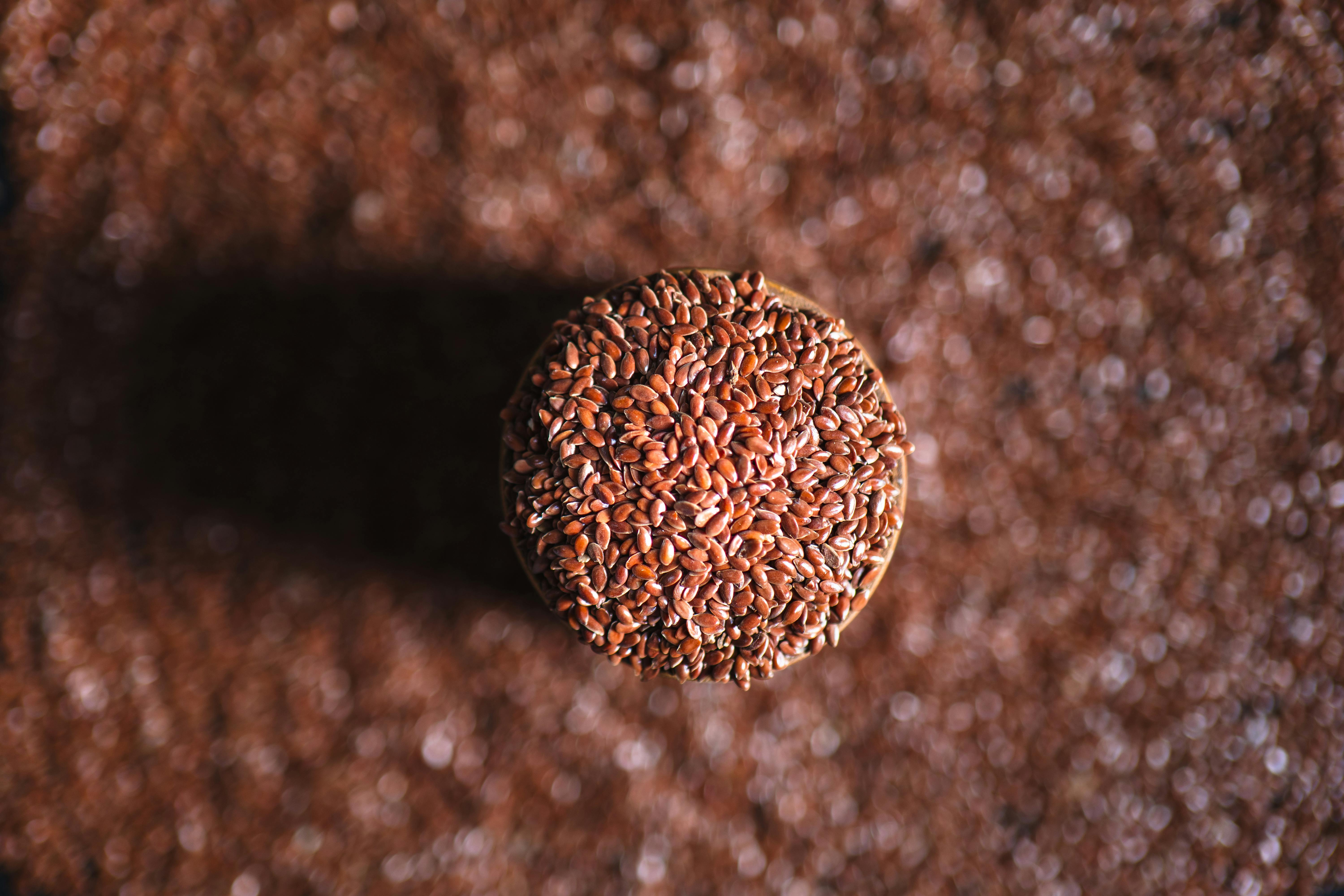
The whole seed — not just the purified husk: viscous fiber, weak fermentation, and HMPC-approved bowel support in a "flea-shaped" seed.
In 1 minute
What does it provide? Viscous, soluble, weakly fermentable mucilage fiber (arabinoxylan — forms a 10× gel with water, slows transit and glucose absorption). Per Jalanka 2019 RCT, it raises the share of butyrate-producing Faecalibacterium and Roseburia even with weak fermentation — first-line fiber treatment in IBS-C (ACG 2021), with FDA-approved claim for LDL reduction. Whole psyllium seed and the purified psyllium husk (ispaghula husk) differ: the latter is a more concentrated mucilage source.
How much? 5–10 g/day (1–2 tbsp) psyllium powder with PLENTY of water (≥ 30 ml/1 g fiber, i.e., min. 200–300 ml/dose). Start with 2.5 g/day, gradual increase over 2–4 weeks. For lipid-lowering effect, 10 g/day for 8–12 weeks.
When to avoid? Suspected bowel obstruction, severe bowel stricture, fecal impaction (absolutely contraindicated — HMPC); swallowing disorder, esophageal stricture (documented asphyxia); acute diverticulitis flare; infant < 1 year (only under medical supervision); ≥ 2-hour separation from levothyroxine, warfarin, lithium, iron, digoxin, antidiabetics (binds them); blood glucose monitoring on antidiabetic therapy (hypo risk).
Psyllium husk is the seed coat of a plant traditionally grown in South Asia (especially India and Iran); the water-binding mucilage of the seed coat has long been used as a "bulk laxative." It became established in European pharmaceutical literature in the 19th–20th centuries, then appears in modern phytotherapy as a "well-established medicinal use" drug for constipation and conditions where soft stool is beneficial (e.g., after rectal surgery). In ancient Indian Ayurveda, psyllium was one of the favored, gentle agents for bowel cleansing; in Persian medical texts, ispaghula already appears in the 9th century as a "gentle guardian of the kidney and bowel." The species' Latin name, Plantago ovata, comes from its egg-shaped seeds; the word "psyllium" itself is Greek in origin, from the word for "flea" (psylla) — the seeds are that tiny.
The HMPC/EMA community monographs and assessment reports officially summarize this traditional and modern use. In 20th-century popular culture, the commercial Metamucil product made the substance truly famous — since its first marketing in 1934, millions have seen it as a practical soluble fiber source. In 1998, the FDA approved the cholesterol-lowering health claim for psyllium-containing foods — which has been the basis for the marketing of Cheerios and commercial breakfast cereals ever since. Today the Indian state of Gujarat is the world's leading producer, and psyllium husk is used simultaneously as a standalone "phytotherapeutic fiber" and as a food-industry hydrocolloid. **(e-lactancia.org, FDA Docket 1998)
🔬 Scientific Background
The fiber profile of Plantago ovata seed and the purified psyllium husk DIFFERS. Whole seed: ≈ 25% fiber (mucilage + insoluble fiber), 18% protein, small oily fraction (ALA, MUFA). Purified psyllium husk (ispaghula husk): concentrated soluble mucilage (≈ 65–75%), arabinoxylan-dominant — 10× swelling with water. The majority of the scientific literature deals with the purified husk (Metamucil protocol), but whole seed is richer in fiber and nutrient terms.
Clinical evidence is strong in four areas. Constipation: several meta-analyses (Christodoulides 2016) show that psyllium significantly increases defecation frequency and improves stool consistency — in many cases more effective than docusate (Ramkumar 2005 RCT). IBS-C global symptoms: the American College of Gastroenterology (ACG) 2021 guideline indicates soluble, viscous, weakly fermentable fiber (psyllium) as first-line treatment (Moayyedi 2014 meta-analysis). LDL cholesterol: several RCT-supported ≈ −7% reduction (basis of FDA qualified health claim). Microbiome: per Jalanka 2019 RCT (two double-blind studies), psyllium not only increased stool water content but also significantly modified the microbiota — especially in constipated patients, butyrate-producing Roseburia, Faecalibacterium, Lachnospira enrichment correlated with greater stool water content.
Interesting note: psyllium is WEAKLY fermentable (about 20–30% fermentation yield, vs. inulin's 80%+), YET it modifies the microbiota and raises butyrate — evidence suggests that viscosity-mediated gut environment change (water content, transit time) alone produces a microbiome shift.
Psyllium reduces inulin-induced gas formation in IBS (Gunn 2020) — an excellent "buffer" prebiotic.
- + PLENTY OF FLUID (at least 30 ml/1 g fiber): mandatory — 5 g psyllium = at least 150 ml water. Without fluid, esophageal/intestinal obstruction risk.
- + Yogurt/kefir: synbiotic synergy, better tolerance.
- + Inulin/FOS prebiotic (in IBS): psyllium BUFFERS the gas formation caused by inulin — broader SCFA profile, better tolerability.
- + Sugar alcohols (lactitol): combination improved bowel function in constipated volunteers.
- + Breakfast oatmeal + berries: β-glucan + psyllium mucilage synergy, improved postprandial glycemia.
- + Probiotic (synbiotic strategy): studies underway.
- + Morning-evening twice (small-dose protocol): small dose, repeated, often gives better tolerability than single large dose.
- MEDICATIONS + psyllium at the same time: viscous gel can bind medications. ≥ 2-hour separation: levothyroxine, warfarin, iron supplementation, lithium, carbamazepine, digoxin, antidiabetics.
- Fluid restriction: psyllium without water = esophageal/intestinal obstruction (documented cases).
- Sugary, flavored psyllium drinks (certain commercial Metamucil products): glycemic load. Choose plain powder.
- Too rapid dose escalation: GI bloating. Start with 2.5 g/day, increase gradually.
- Antidiabetics + large psyllium intake: hypoglycemia risk (additive glycemic moderation) — blood-glucose monitoring, dose adjustment.
- Insulin pump + intake immediately before meal: glucose absorption profile shifts.
- Suspected bowel obstruction, severe bowel stricture, fecal impaction: ABSOLUTELY CONTRAINDICATED (per HMPC monograph).
- Dysphagia, esophageal stricture, achalasia: to be avoided — viscous gel can get stuck, documented asphyxia cases.
- Acute abdominal pain, GI symptom of unknown origin: don't start psyllium before evaluation.
- Allergy to Plantago species (rare): to be avoided.
- Antidiabetic therapy: dose adjustment needed (hypoglycemia risk).
- Infant (under 1 year): only under medical supervision.
- Severe GI motility disorder (gastroparesis): caution — viscosity may worsen.
- Acute diverticulitis flare: to be avoided, safe in remission.
- Trauma or postoperative bowel: under medical guidance.
Daily serving
5–10 g (1–2 tbsp) psyllium powder OR 10–20 g whole psyllium seed. With PLENTY of water — minimum 200–300 ml/dose.
Preparation pattern
- Classic IBS-C protocol: 5 g psyllium powder + 200 ml water, stir quickly, drink immediately (otherwise it thickens in the glass) → then another glass of water.
- Mixed into yogurt/kefir: a gentler, more flavorful form — 1 tbsp psyllium + 200 g yogurt, 5 minutes rest.
- Into baking: as a binder in gluten-free bread (1–2 tbsp psyllium + liquid can substitute for gluten-like binding).
- Smoothie thickener: 1 tsp psyllium in a smoothie — quick hydration.
Classic patterns
Morning psyllium drink: 1 tbsp psyllium + 200 ml water + minimal lemon juice → first thing in the morning.
IBS-C combination: psyllium + minimum 2 liters of water/day + regular exercise → 4–6 weeks of regularity.
Gluten-free bread: chia + psyllium + almond flour + egg → binder-like, high fiber.
Postoperative bowel support: 5 g psyllium/day, per medical advice, with plenty of water.
Lipid-lowering course: 10 g psyllium/day, 8–12 weeks → measurable LDL reduction (FDA qualified health claim).
Storage
In an airtight jar, in a cool dark place — 1–2 years. Protect from moisture!
What not to do
NEVER take psyllium with little water. Don't take simultaneously with medication (2-hour separation). Don't start with a large dose — gradual increase. Don't confuse psyllium with leafy plantain (Plantago) preparation.
References
[1] EMA/HMPC. Community herbal monograph on Plantago ovata Forssk., seminis tegumentum. 2013.
[2] Jalanka J et al. The effect of psyllium husk on intestinal microbiota in constipated patients and healthy controls. Int J Mol Sci 2019;20(2):433.
[3] Christodoulides S et al. Systematic review with meta-analysis: effect of fibre supplementation on chronic idiopathic constipation in adults. Aliment Pharmacol Ther 2016;44(2):103–116.
[4] Moayyedi P et al. The effect of fiber supplementation on irritable bowel syndrome: a systematic review and meta-analysis. Am J Gastroenterol 2014;109(9):1367–1374.
[5] Lambeau KV, McRorie JW. Fiber supplements and clinically proven health benefits. J Am Assoc Nurse Pract 2017;29(4):216–223.
[6] Ramkumar D, Rao SS. Efficacy and safety of traditional medical therapies for chronic constipation: systematic review. Am J Gastroenterol 2005;100(4):936–971.
[7] Gunn D et al. Psyllium reduces inulin-induced colonic gas production in IBS. Gut 2020.
[8] ACG (American College of Gastroenterology). Clinical guideline: management of irritable bowel syndrome. Am J Gastroenterol 2021.
[9] FDA. Health claim — soluble fiber from psyllium husk and risk of coronary heart disease. 21 CFR 101.81, 1998.