


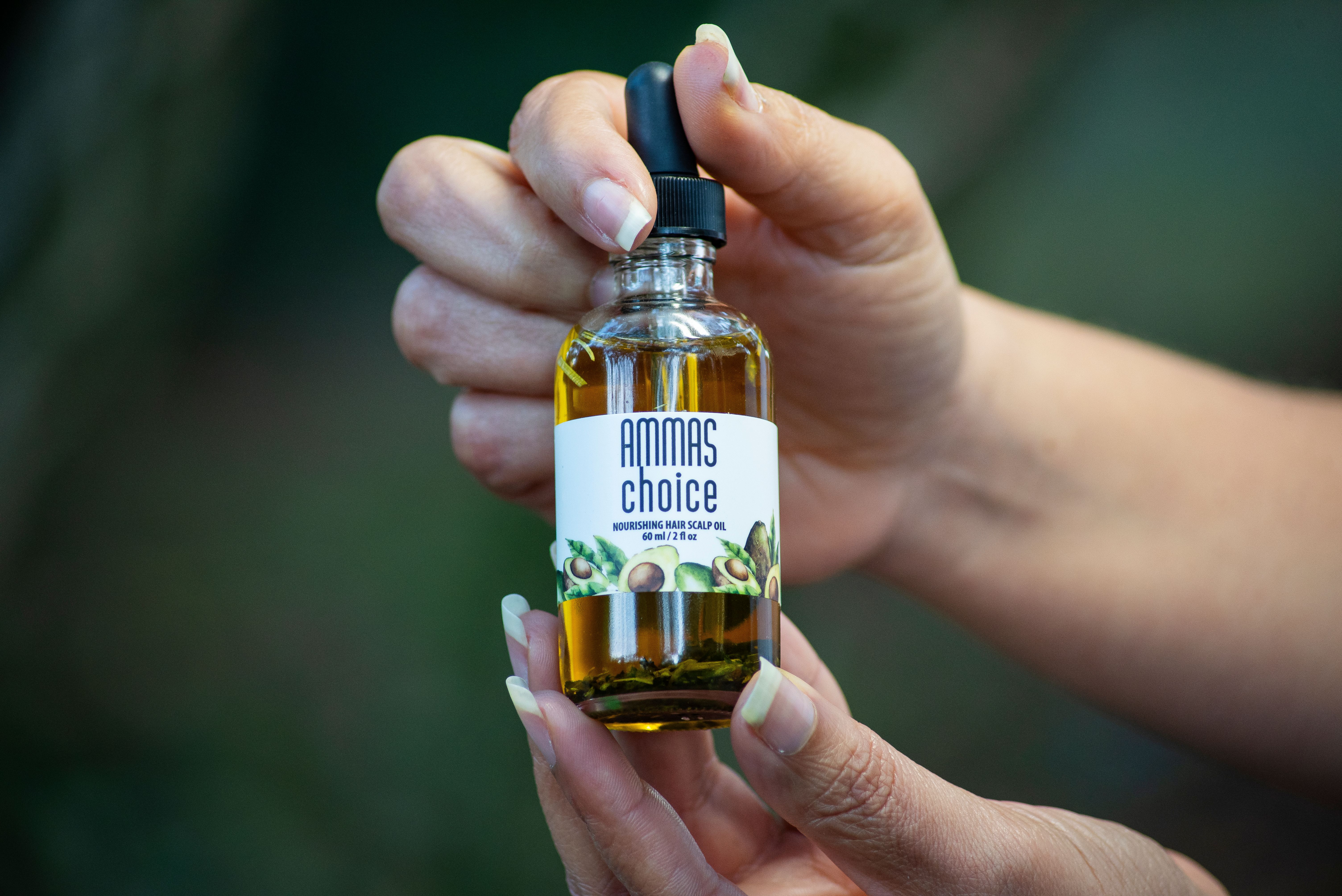
Avocado oil
The "Mexican butter" — high smoke point, MUFA bomb, and a matrix that boosts carotenoid absorption.
In 1 minute
What does it provide? A high-MUFA (oleic-acid-dominant), carotenoid-rich, high-smoke-point (≈ 250–270 °C extra virgin; refined even higher) versatile culinary oil. An olive alternative with a tropical-Mediterranean crossover character.
How much? 1–2 tablespoons (15–30 mL) per day — for salad, cooking, and frying. Genuinely versatile.
When to avoid? Avocado or latex-fruit allergy (often co-occurring with latex allergy, cross-reactivity); acute pancreatitis (fat restriction); oxidized/rancid oil of unknown origin — ADULTERATION RISK: per Davis et al. 2020 (UC Davis, Food Control) survey, 82% of commercial "extra virgin avocado oil" is partially adulterated (refined, oxidized, or blended with soybean and sunflower oil); choose a known, small-batch source, preferably with New Zealand or Australian certification.
The avocado (Persea americana) is native to Central America — Mexico, Guatemala, and the Caribbean region. The Nahuatl word "āhuacatl" is the clear origin, and it entered European languages via the Spanish "aguacate." In Olmec, Mayan, and Aztec cultures, the fruit's meat-like fattiness was considered "forest butter" and served as a fertility symbol. Attempts to extract seed oil appear in 16th-century Mexican colonial records, but industrial avocado-oil production only began at the end of the 20th century — before then, the oil was too expensive and difficult to extract.
From the 1990s, New Zealand (Olivado) and Californian small-batch producers developed "cold-pressed" extraction from fresh avocado flesh — similar to extra-virgin olive oil. Since the 2000s, avocado oil has become a star of the global "superfood" market, with its price tripling between 2010 and 2020. The price premium and growing demand have unfortunately spawned an unexpected phenomenon: market adulteration. The Davis et al. 2020 UC Davis study examined 22 "extra virgin avocado oil" products purchased from Californian supermarkets, and the result was shocking — 82% did not meet the declared quality, many were refined, oxidized, or blended with other oils (soybean, sunflower). The 2022 IOC (International Olive Council-style) avocado-oil standardization initiative aims to curb this market "wild capitalism."
🔬 Scientific Background
Avocado oil's fatty acid profile shows striking similarity to Mediterranean extra-virgin olive oil: 65–75% oleic acid (MUFA), 12–18% palmitic acid (SFA), and relatively little polyunsaturated fatty acid (8–14% linoleic acid, ≈ 1% ALA). This profile is favorable for oxidative stability — oleic-dominant oils are more resistant to heat and light than high-PUFA oils (flax, walnut oil).
Smoke point: extra-virgin cold-pressed avocado oil is about 250 °C; the refined (neutralized) version can reach 270 °C — this is the HIGHEST among commercial culinary oils. Excellent for frying, high-temperature searing, wok cooking.
Carotenoid content: lutein transferred from avocado flesh (about 1–3 mg/100 mL), β-carotene (about 0.5–2 mg/100 mL), and α-tocopherol (≈ 12 mg/100 mL) are significant in the cold-pressed extra-virgin version — hence the green-gold color and characteristic flavor. The refined version largely loses these. The fat-soluble nutrient-stabilizer role of carotenoids is documented: in avocado oil + tomato sauce or avocado oil + carrot salad combinations, lycopene and β-carotene absorption increases (Unlu 2005 RCT on Mediterranean salad).
Clinical RCT evidence: pure avocado-oil intervention RCTs are sparse, but for MUFA-dominant diets (oleic acid substituted for palmitic acid) there is ample evidence — LDL reduction, HDL preservation, endothelial function improvement (Schwingshackl 2018 MUFA meta-analysis). A small RCT (Carranza-Madrigal 1995, hypertensive patients) showed decreasing serum triglyceride and LDL levels with 30 days of avocado-oil replacement.
Adulteration level and market quality: per Davis et al. (UC Davis, Food Control 2020) Californian retail survey, only 4 of the 22 products tested met the declared "extra virgin" quality. The other 82% were partly oxidized, refined, or blended with other oils. A similar pattern is likely in the European market — for the consumer this means: choose a known, small-batch source, preferably with New Zealand or Australian certification.
- + Colorful vegetable salads (tomato, carrot, winter squash, leafy greens): effect on carotenoid and vitamin K absorption.
- + Roasted vegetables (broccoli, pepper, eggplant, mushroom): high smoke-point advantage, oxidative stability.
- + Frying/wok (meat, fish, shrimp): also high smoke point, flavor-neutral (refined) or characterful (extra virgin).
- + Fatty fish (salmon, mackerel, sardine): Mediterranean pattern — MUFA + omega-3, together CVD protection.
- + Avocado flesh (green salad, guacamole): "avocado stack" — coherent lipid matrix.
- + Legume salads (chickpea, white bean): plant protein + MUFA + fiber in Mediterranean pattern.
- + Modern adaptation: smoked-fish salad + avocado oil drops + freshly cracked pepper — Mediterranean fusion.
- Cheap, shelf-stored avocado oil of dubious origin: due to the Davis 2020 82% adulteration rate — either pay a premium for a known small-batch source or stay with extra-virgin olive oil.
- Oil prolonged or repeatedly heated to smoking: even a high smoke point is not unlimited — also do not overheat during searing.
- Rancid, oxidized (paint-smelling) avocado oil: cold-pressed extra-virgin version, 6–8 months refrigerated after opening; after the "best before" date it is already a risk.
- Latex allergy ("latex-fruit syndrome"): cross-reactivity between rubber-tree latex and avocado is documented — caution in strict latex allergy.
- Avocado IgE-mediated allergy (rare but exists): strict avoidance.
- Loss of control at high calorie targets: "healthy, I can eat as much as I want" — the calorie density (≈ 880 kcal/100 mL) is the same as every other oil.
- IgE-mediated avocado allergy: strict avoidance.
- Severe latex allergy (latex-fruit syndrome): caution and allergist consultation first.
- Acute pancreatitis: fat restriction is mandatory — all oils.
- Acute cholesterol gallstone attack: temporary fat restriction.
- Severe steatorrhea, exocrine pancreatic insufficiency: pancreatin replacement is mandatory.
- Acute phase of chlorambucil-, cyclophosphamide-chemotherapy: theoretical — high-dose lipid intake can modify drug pharmacokinetics. Oncologist consultation.
- Known food-fraud risk: caution with unknown-brand oils in allergic-child households — mixed contamination risk (soy, peanut).
- Pregnancy, breastfeeding: dietary amount is safe, no contraindication.
Daily serving: 1–2 tablespoons (15–30 mL) — versatile.
Preparation methods:
1. Salad dressing: 3 tbsp avocado oil + 1 tbsp lemon juice + Dijon + salt + pepper — emulsify.
2. For frying: vegetable wok stir-fry, fish fillet, chicken breast at high heat.
3. In sauces: an alternative to olive oil in pesto (greener-fresher flavor).
4. For sautéing: avocado oil + garlic + spices → spiced base oil.
5. For plating: extra-virgin avocado oil drops on cooked vegetables, hummus, soup.
6. In baking: instead of coconut oil/butter, neutral-flavored, high-heat use in vegan sweets.
Classic patterns:
- Mexican guacamole + avocado oil drop: avocado flesh + lime + cilantro + scallion + avocado oil — coherent lipid matrix
- Mediterranean salad: tomato + cucumber + olives + feta + avocado oil + balsamic
- Wok stir-fry: broccoli + pepper + mushroom + tofu + avocado oil + sesame seed + soy
- Plated fish fillet: roasted salmon + avocado oil + lemon juice + freshly cracked pepper + dill
Storage: in dark glass, in a dark place, airtight, 6–8 months after opening. When buying: small-batch source, "best before" max 18 months from bottling, check the pressing date.
What not to do: Do NOT buy cheap shelf product (adulteration risk), do NOT use oxidized-paint-smelling oil, do NOT mix avocado-aromatized refined oil with real avocado oil.