
Basil
Pesto, eugenol-linalool, and holy basil — two plants, two clinical worlds.
In 1 minute
What does it provide? Sweet basil: linalool (a monoterpene alcohol — calming, antimicrobial aroma compound), eugenol (a phenylpropanoid — antioxidant, local anesthetic), and methylchavicol/estragole (an alkenylbenzene — genotoxic at high doses, EMA-restricted). Tulsi (holy basil): eugenol, β-caryophyllene (a sesquiterpene — CB2-receptor agonist, anti-inflammatory), and ursolic acid (a triterpene acid — anti-inflammatory, anti-tumor potential in vitro) — antioxidant, anti-inflammatory, with moderate adaptogenic effect (tulsi only).
How much? Culinary fresh basil 10–30 g/day, dried ½–1 tsp; tulsi tea 2–3 g/200 ml, 2–3×/day (Ayurveda).
When to avoid? Pregnancy with high-dose essential oil (estragole toxicity, uterine-stimulant potential); antiphospholipid-syndrome pregnancy on anticoagulant therapy with high-dose tulsi (additive bleeding risk); Lamiaceae allergy (basil, thyme, oregano cross-reactivity); concentrated essential oil orally for infants.
Basil (Ocimum basilicum) originates from India and Southeast Asia and has been used as a medicinal and culinary herb for over 5000 years. Its name comes from the Greek "basilikon" ("royal") — classical Greek tradition held it to be the king's personal spice. Hippocrates and Pliny recommended it for digestion, respiratory complaints, and topical wound healing. 16th-century Italian cuisine adopted it as a Mediterranean spice — the classic Genovese pesto (1860s) is the pinnacle of basil-based Italian tradition.
Holy basil (Ocimum tenuiflorum, "tulsi") is the sacred plant of Hindu religion in India — an embodiment of the goddess Lakshmi, and present in every Hindu family shrine (puja). Ayurveda classifies it among the "rasayana" (regenerative, life-extending) plants. It belongs to the "adaptogen" category, similar to ashwagandha or ginseng. Clinical interest exploded with Cohen 2014 RCT: holy basil extract significantly reduced blood glucose, lipid profile, and stress markers in metabolic syndrome. The Bhattacharyya 2008 RCT confirmed cortisol-lowering effects. **(Cohen 2014, J Ayurveda Integr Med)
Italian pesto and tulsi tea are the same genus (Ocimum) but with different phytochemical profiles — an interesting example of botanical diversity. Modern phytochemistry identified the linalool-eugenol ratio of sweet basil and the eugenol-ursolic acid matrix of tulsi in the 1900s. **(Ann Med Health Sci Res)
🔬 Scientific Background
Sweet basil (Ocimum basilicum) essential oil has linalool (35–60%), eugenol (10–20%), methylchavicol (estragole, 5–15%), and camphor components, depending on chemotype. The Genovese Italian variety is linalool-dominant; the Asian "Thai" basil (Ocimum basilicum var. thyrsiflora) is methylchavicol-dominant.
Tulsi (Ocimum tenuiflorum) has a different profile: eugenol (50–70%), β-caryophyllene (15–25%), elemene, and germacrene-D. Ursolic acid and apigenin (a flavonoid) are also high in tulsi.
Clinical evidence: tulsi belongs to the classic "adaptogen" category. Cohen 2014 RCT showed significant blood glucose (−8%), lipid profile improvement, and cortisol reduction in metabolic syndrome. Bhattacharyya 2008 brought significant anxiety and stress scale reduction in stressed healthy adults over 6 weeks. Saxena 2012 RCT also showed positive results in mild-to-moderate anxiety disorder.
For sweet basil, clinical evidence is more limited — mostly small pilots and in vitro data on antimicrobial and antioxidant effects.
Estragole toxicity (in sweet basil chemotypes): according to EFSA 2012, genotoxic and carcinogenic in animal models at high doses. Long-term use of high-dose supplements is to be avoided.
At the microbiome level, the adaptogenic tulsi effect indirectly modulates stress-microbiome interactions through HPA-axis and immune regulation.
Safety: at culinary amounts absolutely safe. High-dose extract in pregnancy is to be avoided — uterotonic + estragole toxicity.
- + Tomato, mozzarella (Italian caprese): classic synergy.
- + Olive, pine nuts, parmesan (pesto): Genovese classic.
- + Chili, lime, cilantro (Thai basil): Southeast Asian.
- + Strawberry, watermelon (in Mediterranean salad): modern fusion.
- + Tulsi tea + green tea: adaptogen stack.
- + Ashwagandha, Rhodiola (tulsi synergy): classic adaptogen blend.
- Anticoagulants + high-dose tulsi extract: theoretical additive bleeding risk.
- Diabetes medications + high-dose tulsi: additive hypoglycemia.
- Long boiling at high heat: linalool/eugenol evaporates.
- Concentrated essential oil on infants: to be avoided.
- With iron: may chelate: separate in time.
- Anticonvulsant medications + high-dose tulsi: theoretical.
- Pregnancy with high-dose essential oil/extract: uterotonic + estragole.
- Anticoagulant therapy: avoid high-dose tulsi supplement.
- Diabetic with severe hypoglycemia tendency: monitor.
- Concentrated essential oil on infants and small children: to be avoided.
- Lamiaceae allergy: cross-reaction.
- Active gastric ulcer: concentrated essential oil irritates.
- Planned surgery: discontinue tulsi supplement 2 weeks before.
- Severe thyroid disorder: theoretical tulsi interaction.
Daily serving
Fresh basil 10–30 g (≈ 1 tbsp finely chopped); tulsi tea 2–3 g dried leaf/200 ml water, 2–3×/day.
Preparation pattern
- Fresh leaf: chop finely just before serving — high heat ruins it.
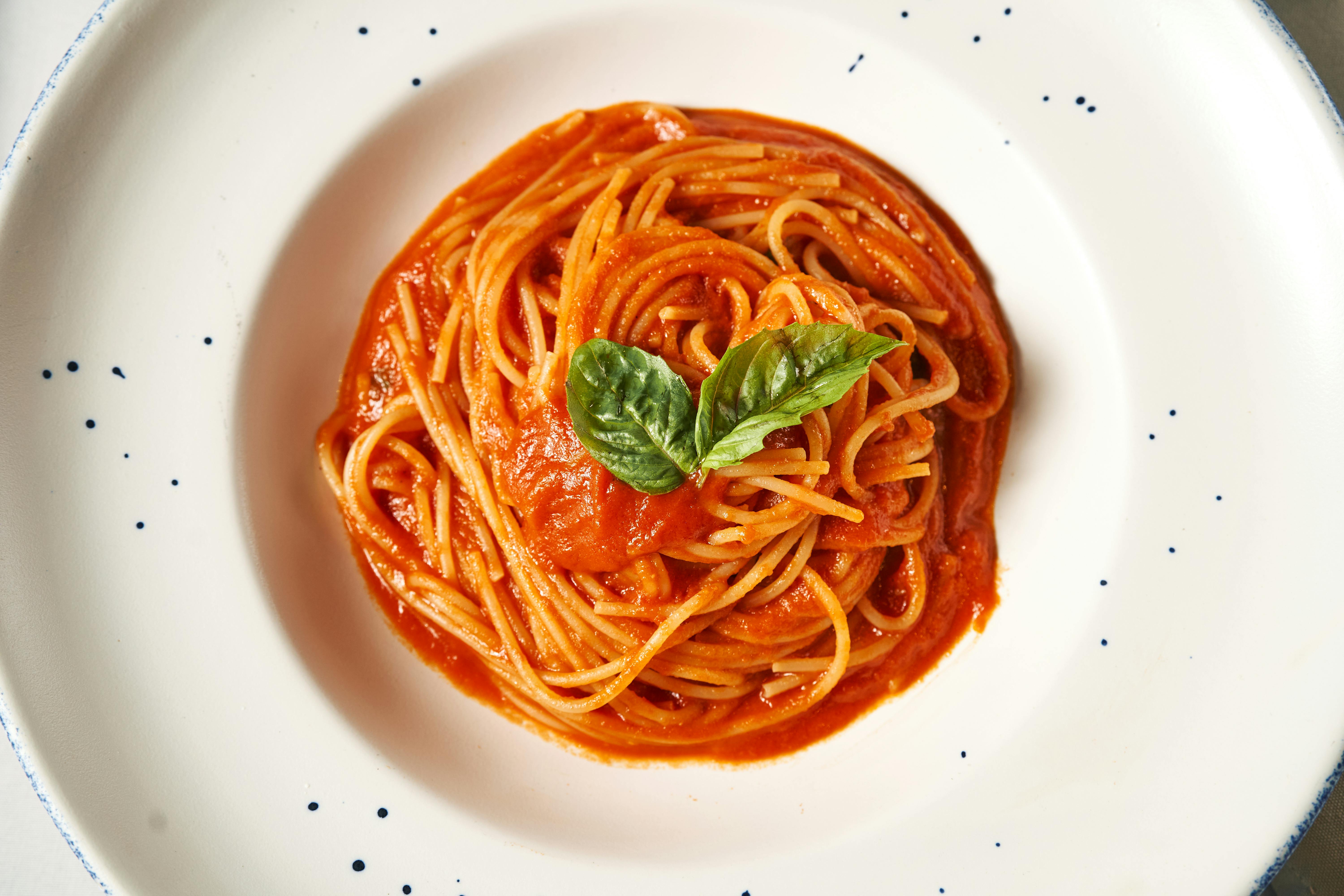
- Pesto: fresh leaf + olive + pine nuts + parmesan + garlic + salt, ground in a mortar.
- Caprese: tomato + mozzarella + basil + olive oil.
- Tulsi tea: 2–3 g dried leaf + 200 ml hot water, 10 min standing.
Classic patterns
Genovese pesto: fresh basil + olive + pine nuts + parmesan + garlic + salt.
Caprese: tomato + mozzarella + basil + olive oil + balsamic.
Thai green curry: Thai basil + green curry paste + coconut milk + vegetable + fish.
Ayurvedic tulsi tea: 2 g dried tulsi leaf + 200 ml hot water, 10 min, honey.
Storage and what not to do
Storage: fresh leaf refrigerated "flower-style" in water 1 week; dried tulsi 1 year airtight in a dark place.
What not to do: don't cook fresh basil leaves; don't combine clinical-dose tulsi supplements with warfarin on your own; don't give concentrated essential oil orally to infants.
References
[1] Cohen MM. Tulsi — Ocimum sanctum: a herb for all reasons. J Ayurveda Integr Med 2014;5(4):251–259.
[2] Bhattacharyya D et al. Controlled programmed trial of Ocimum sanctum leaf on generalized anxiety disorders. Nepal Med Coll J 2008;10(3):176–179.
[3] Saxena RC et al. Efficacy of an extract of Ocimum tenuiflorum (OciBest) in the management of general stress: a double-blind, placebo-controlled study. Evid Based Complement Alternat Med 2012;2012:894509.
[4] Jamshidi N, Cohen MM. The clinical efficacy and safety of tulsi in humans: a systematic review of the literature. Evid Based Complement Alternat Med 2017;2017:9217567.
[5] EFSA. Estragole — compendium on botanicals. EFSA Journal 2012.
[6] Marwat SK et al. Phytochemical constituents and pharmacological activities of sweet basil-Ocimum basilicum L. Asian J Chem 2011.
[7] Pattanayak P et al. Ocimum sanctum Linn. A reservoir plant for therapeutic applications. Pharmacogn Rev 2010;4(7):95–105.